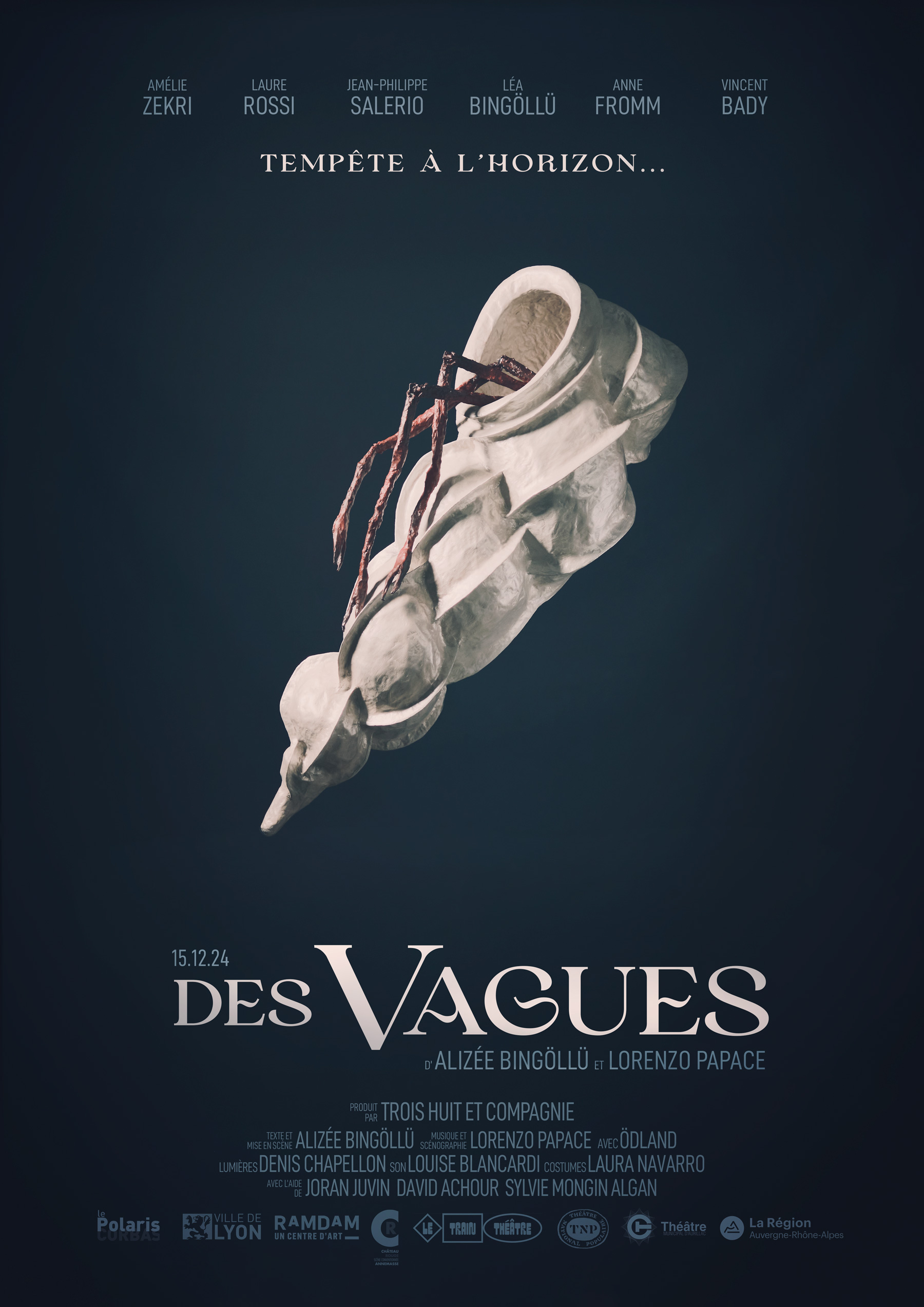

A Musical Theatre Piece
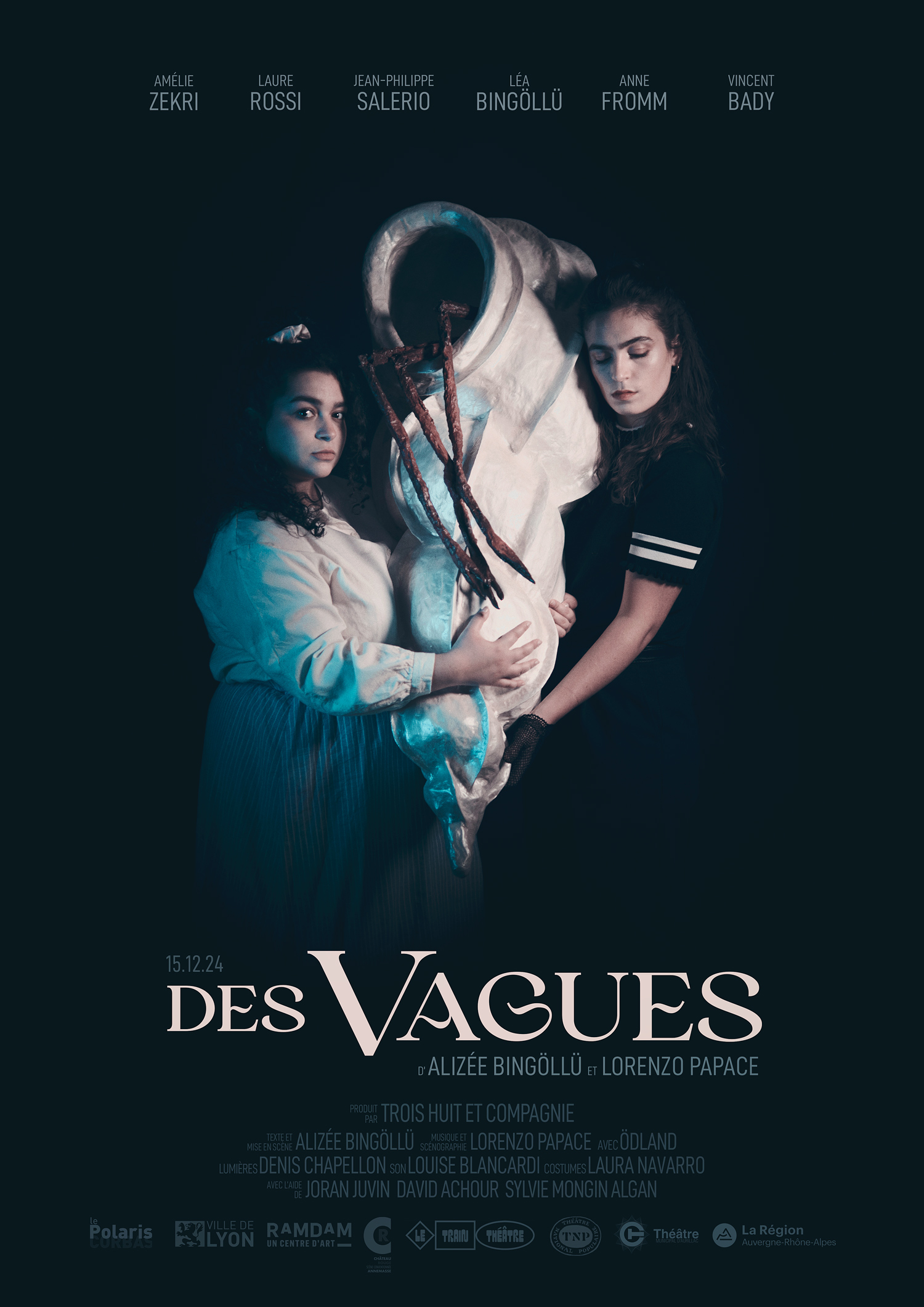
Des vagues is a musical theatre piece born from a shared dream: to recount an intimate and collective crossing, where memory, loss, and rebirth intertwine aboard a white ship adrift between dream and nightmare.
Birth of the Project
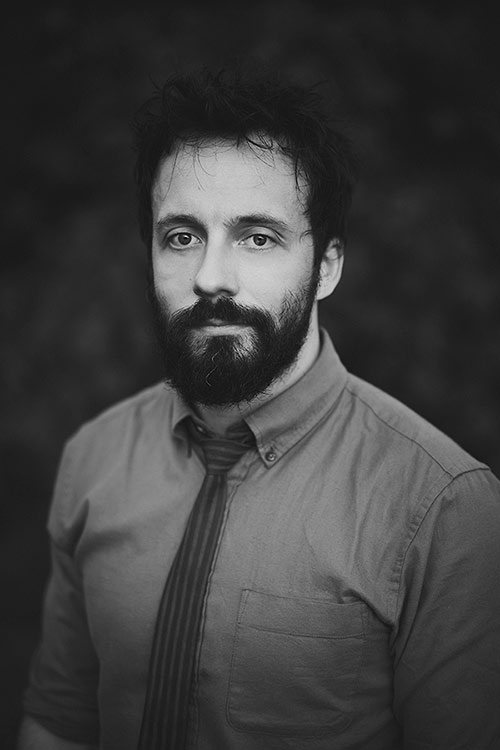
n the summer of 2022, Alizée Bingöllü suggested we create a musical together. I agreed without hesitation.
A musical had long been a dream of mine, though I had never known quite how to bring it to life.
Our artistic collaboration dates back to our early short films in 2005, and then with Ödland from 2008 onwards. While Alizée developed her career as an actress and director, I deepened my practice in musical composition and scenography. By 2022, we felt ready to fully carry such a project, with the support of the company ICI 3.8.
On Des vagues, I was involved at several levels: co-writing the dramaturgy alongside Alizée, composing the music, designing the scenography, performing on stage, and participating in the construction and assembly of the set.
After the completion of our first tour, it is time to present the work we have created over the past two years.
Characters
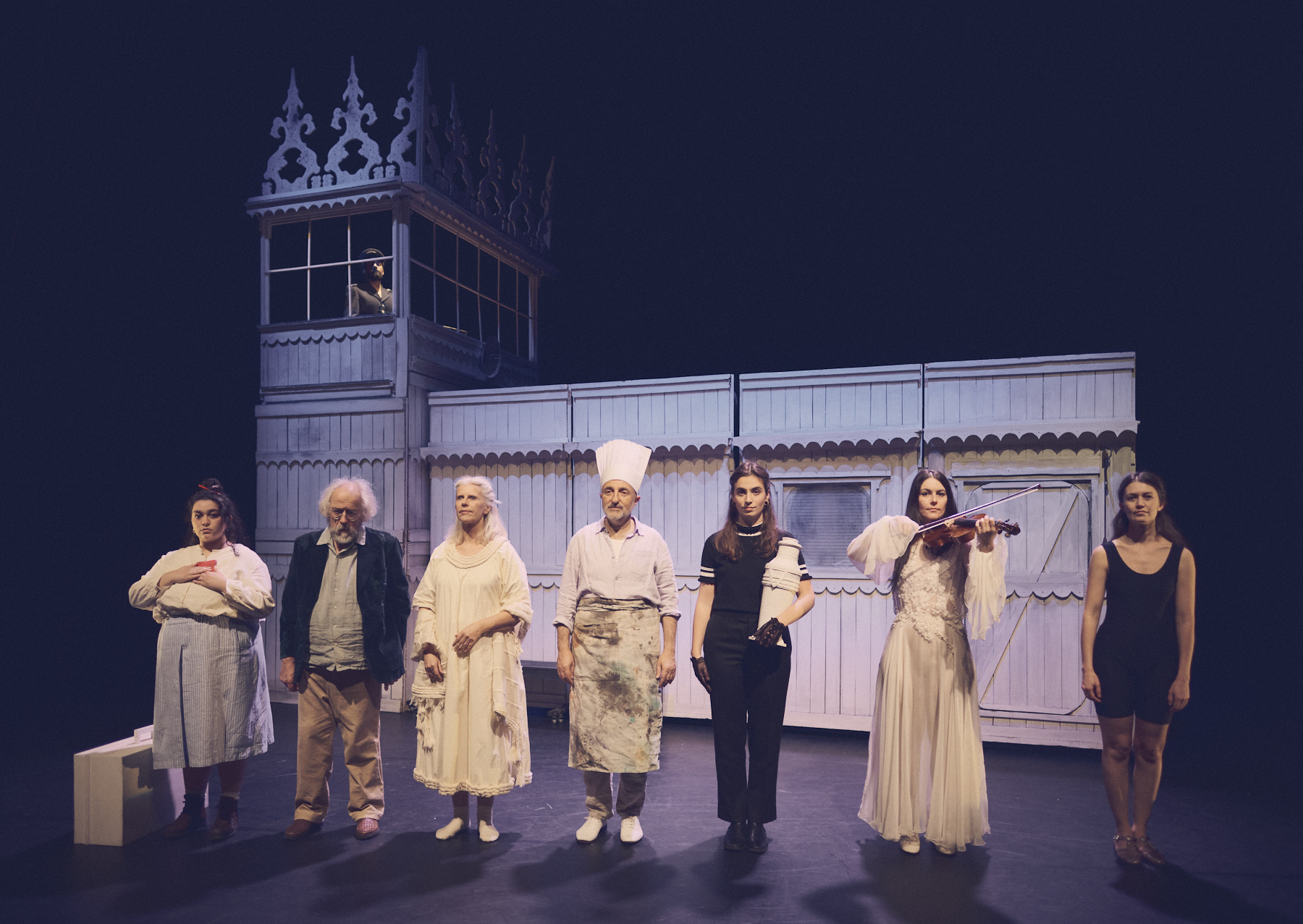
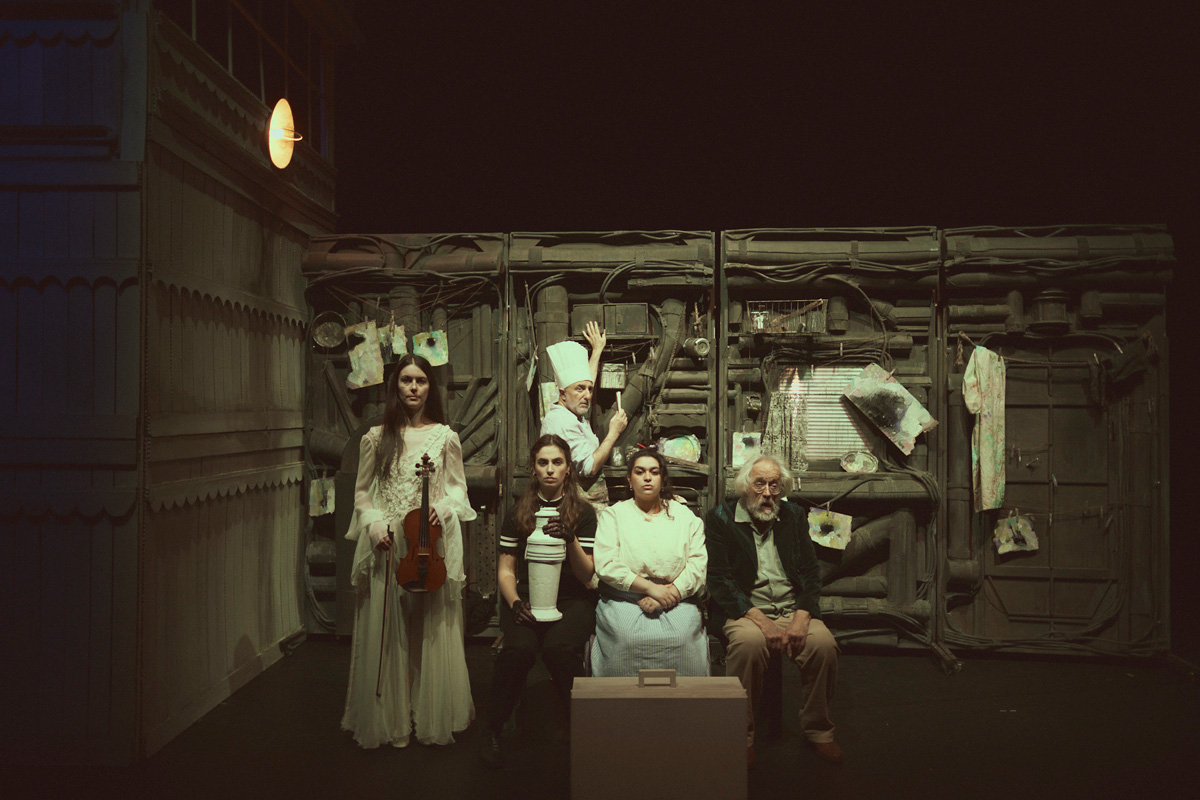
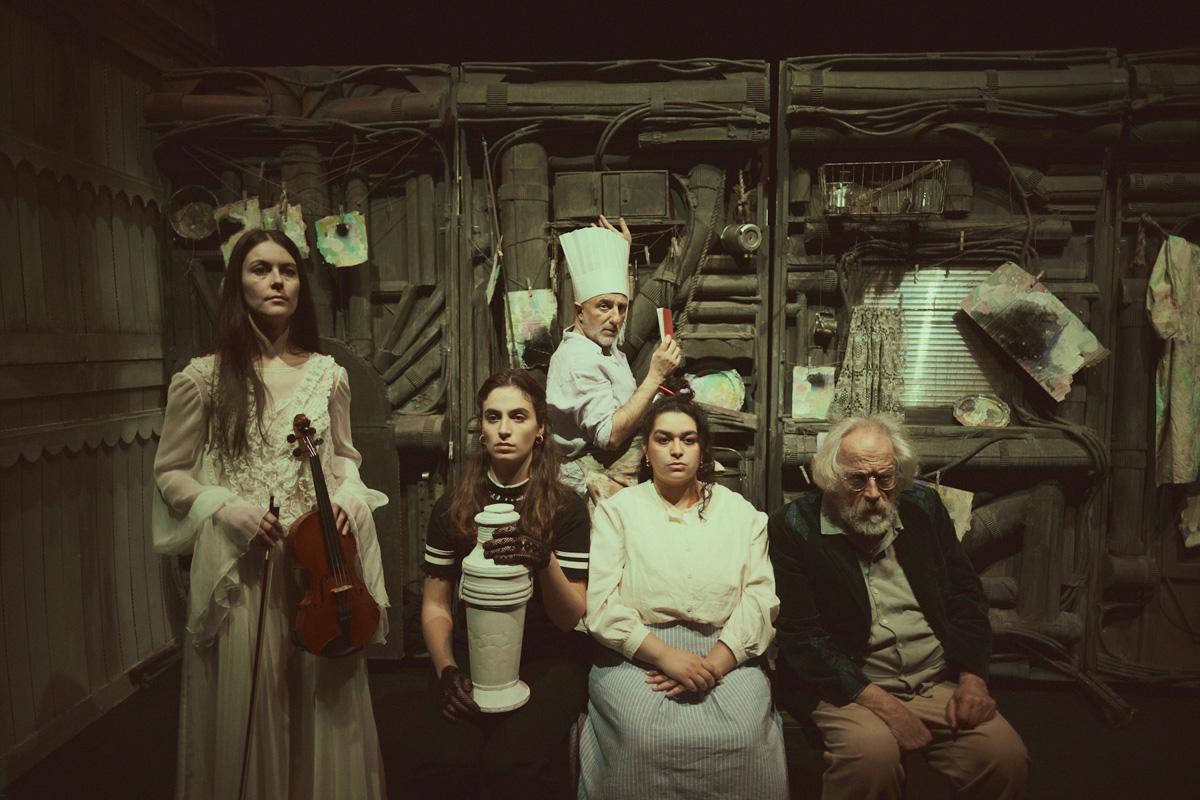
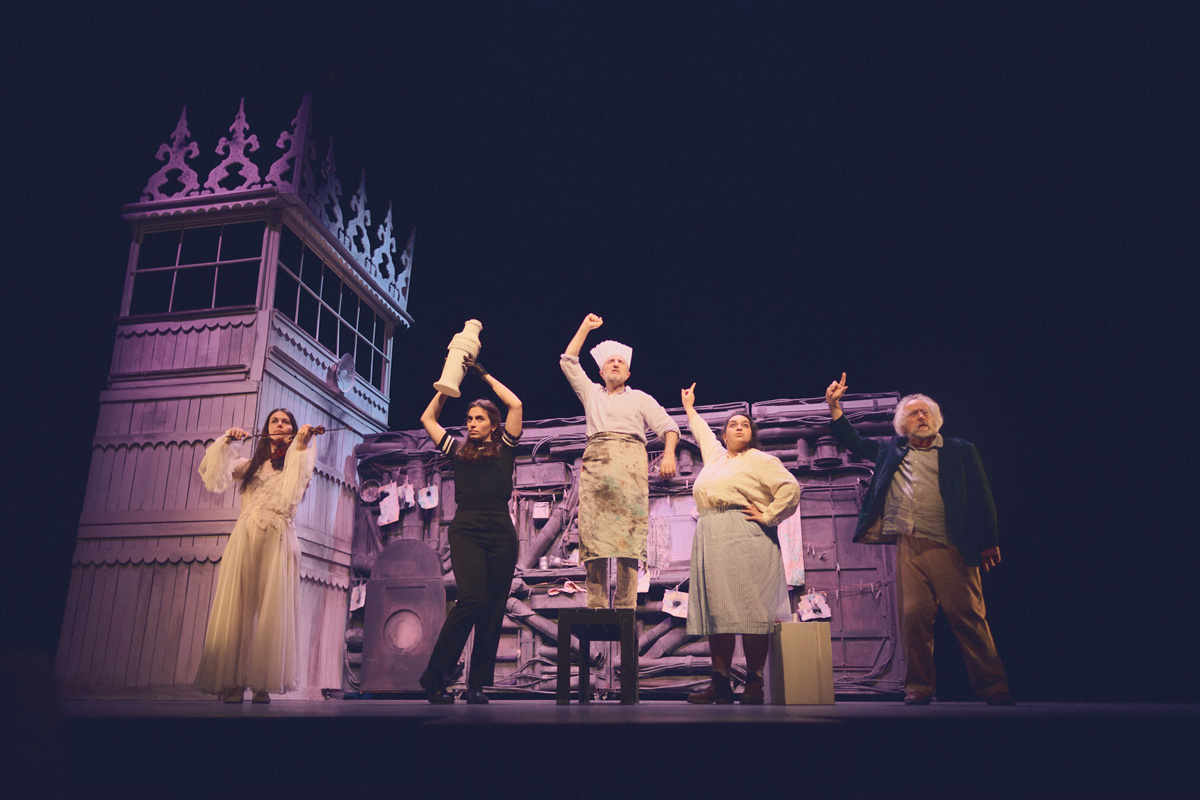
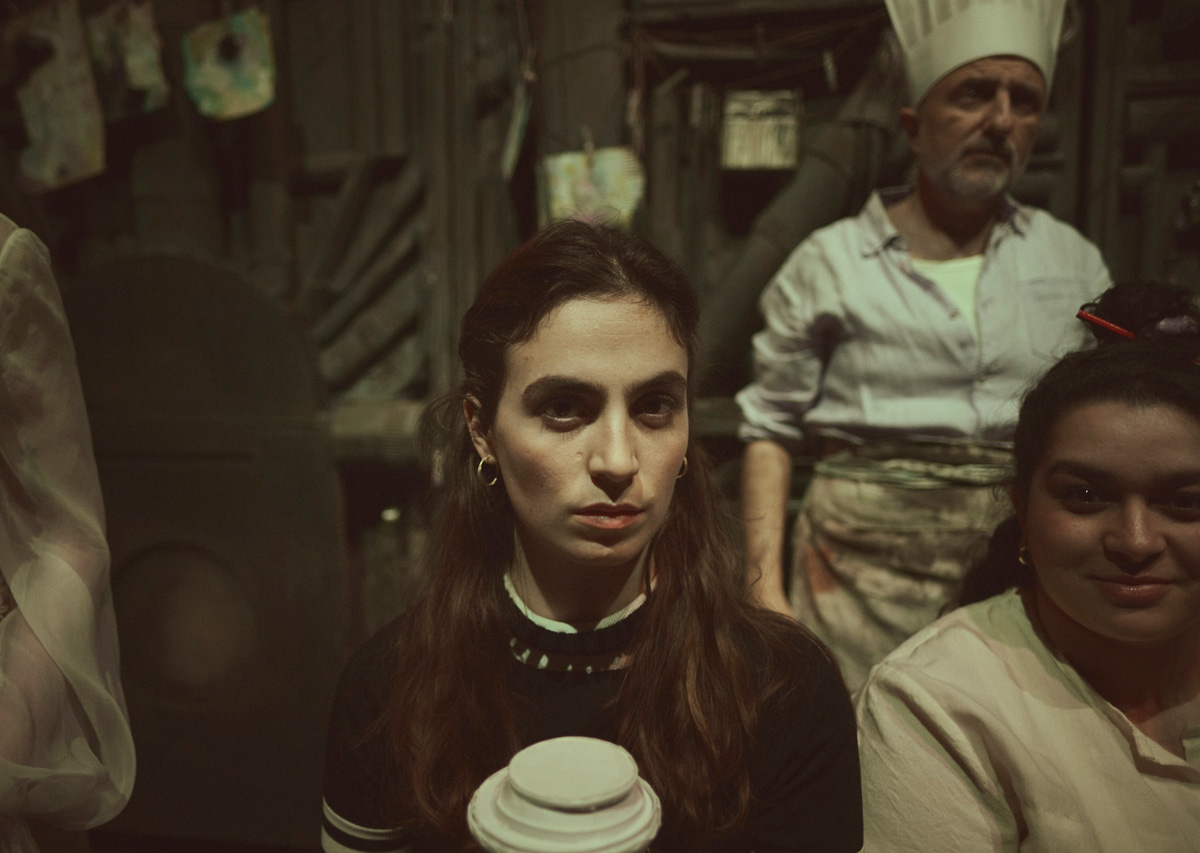
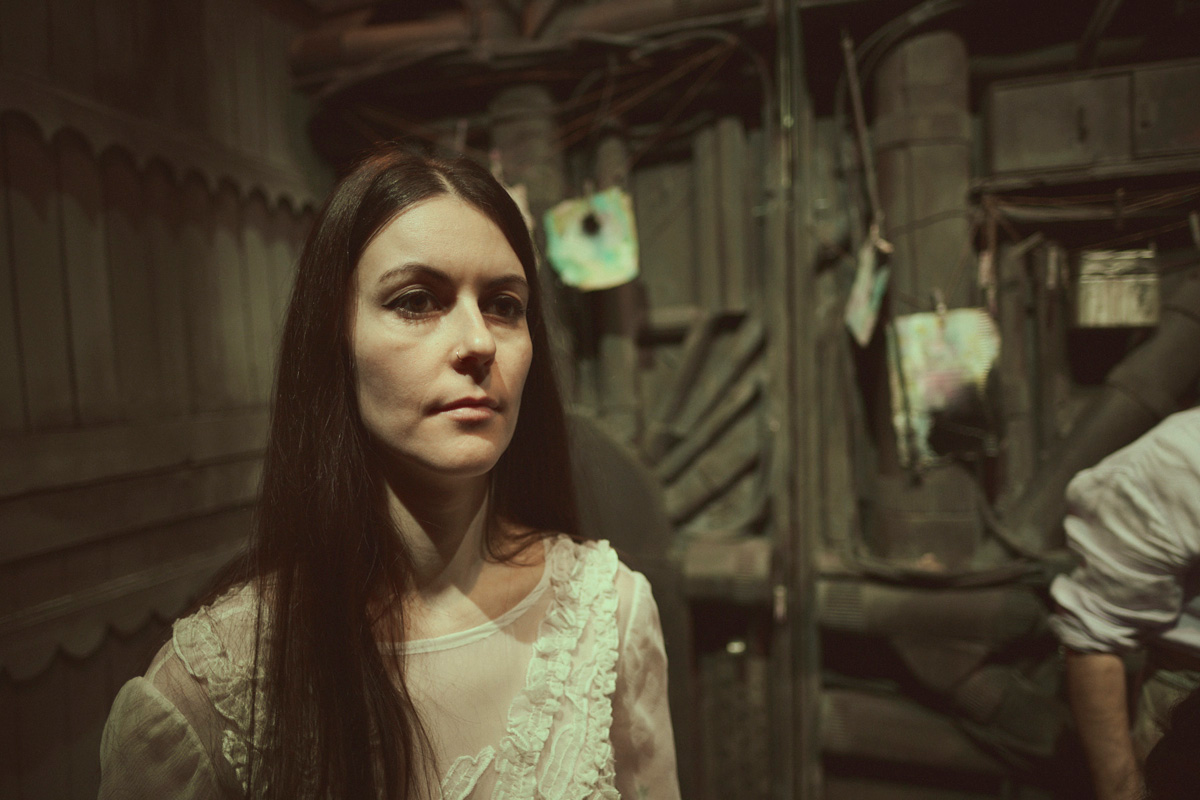
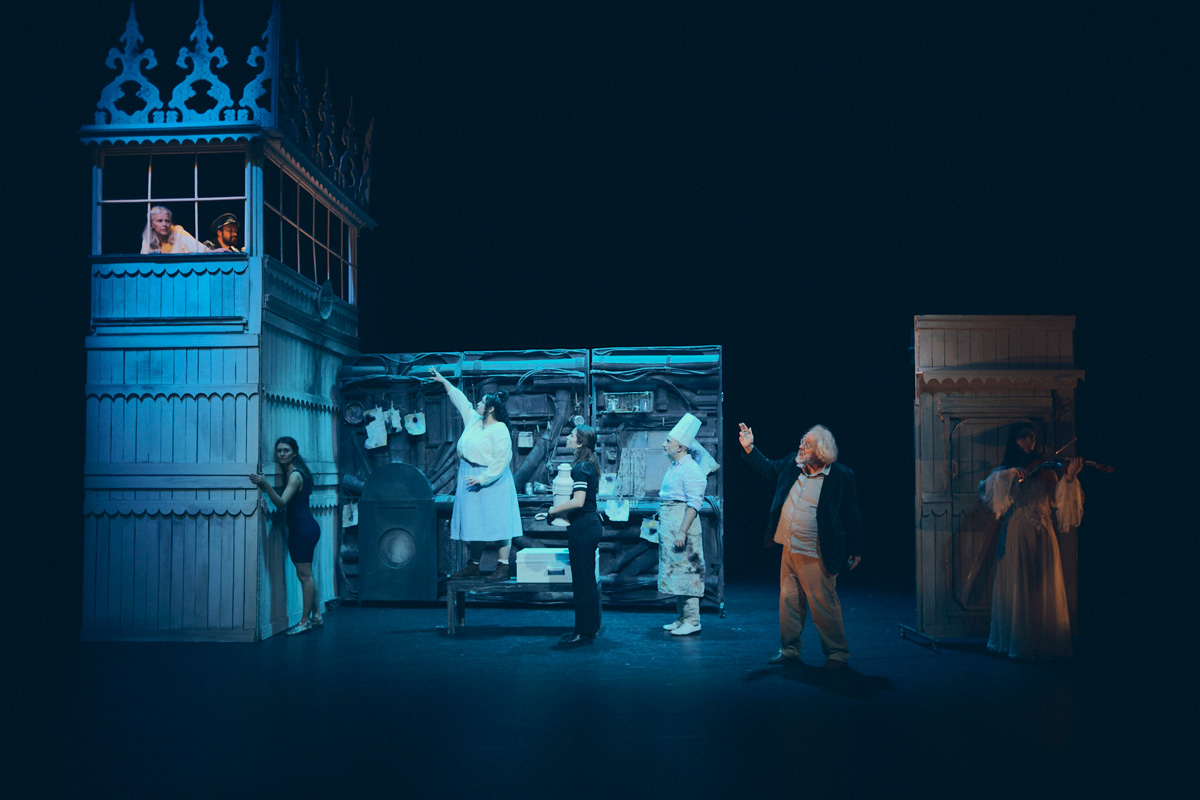
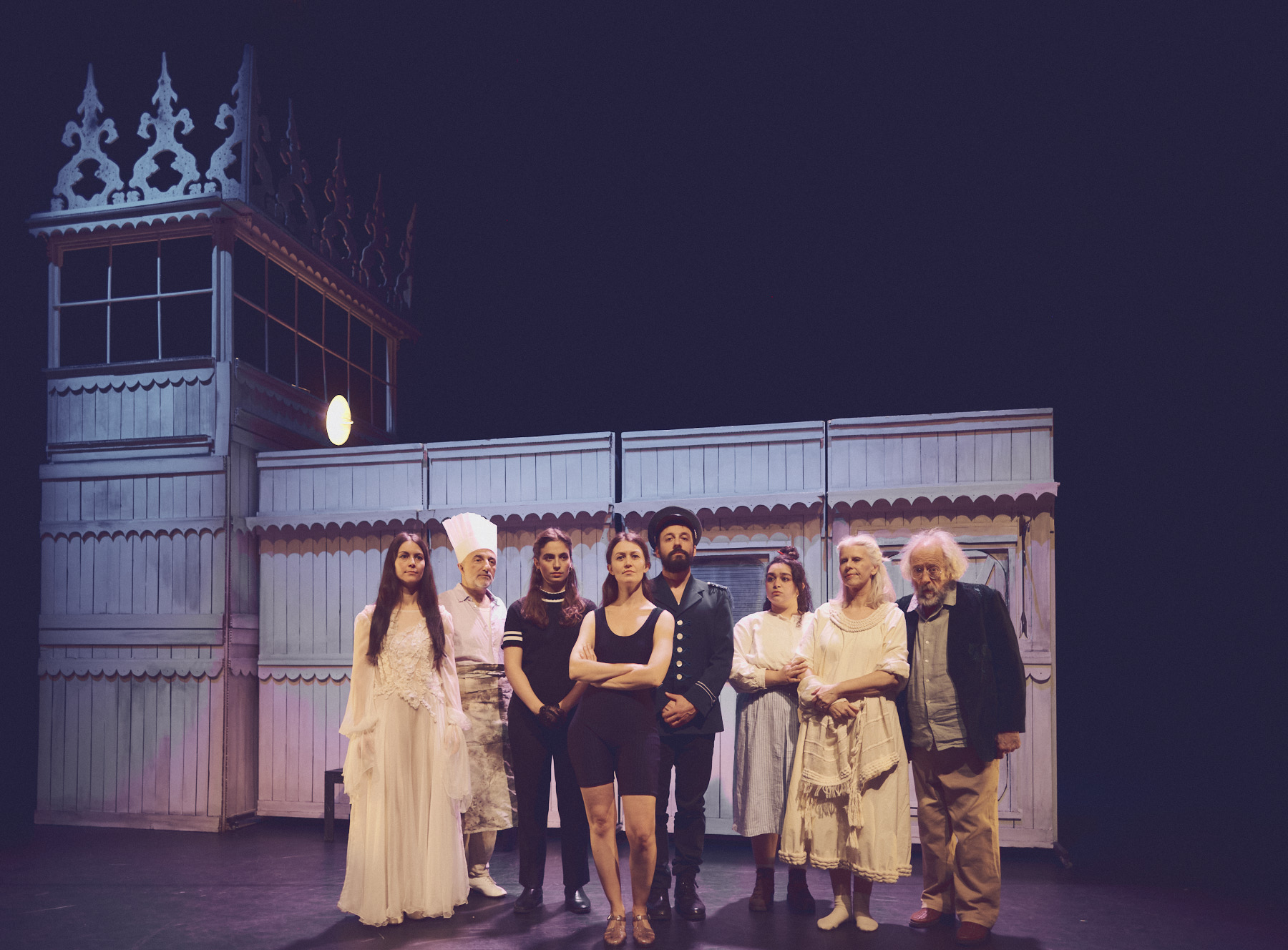
Des vagues presents eight characters, all gathered on a strange, imaginary ship, where desires, fears, and memories collide in a sombre and dreamlike atmosphere.

The Dreamer on the beach
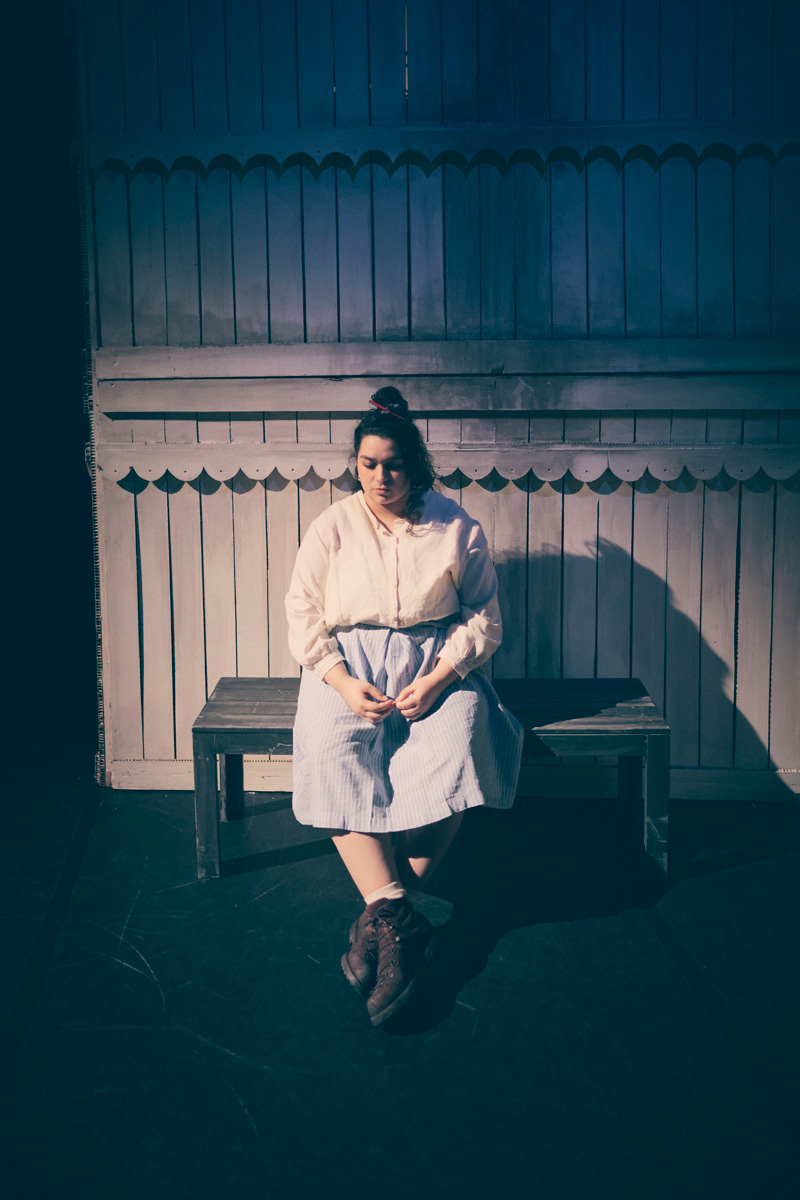
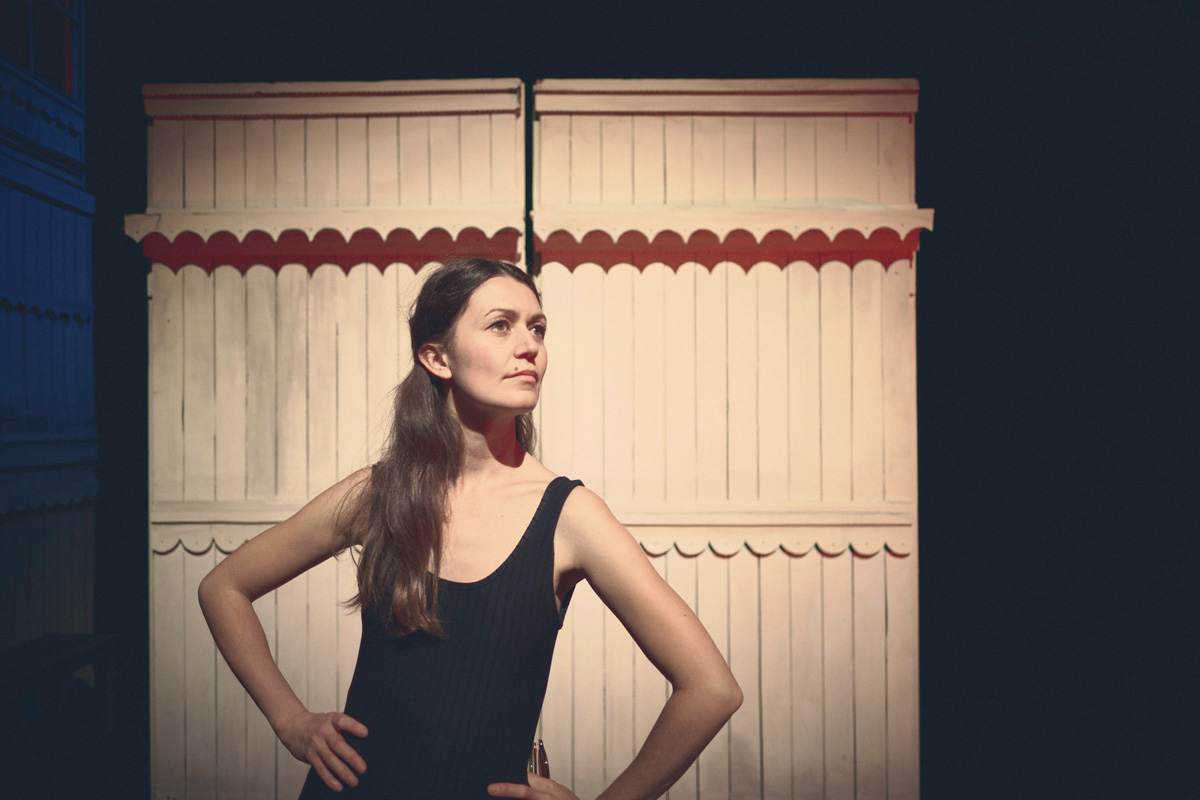
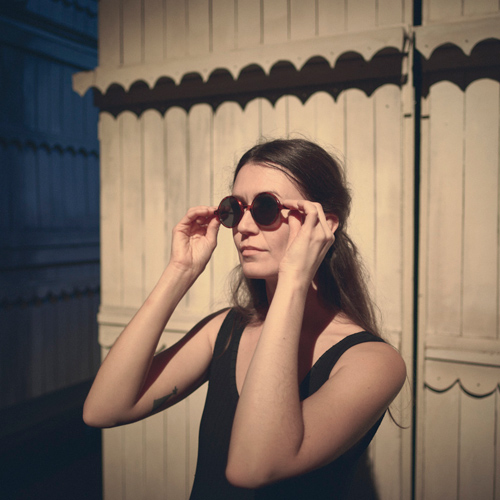
(Alizée Bingöllü) : Half-asleep on the sand, she drifts into musings about climate change, glimpses a ship in the distance, and begins to dream. We follow her through her wandering thoughts and subtle interventions in the dream's unfolding events.
Anissa
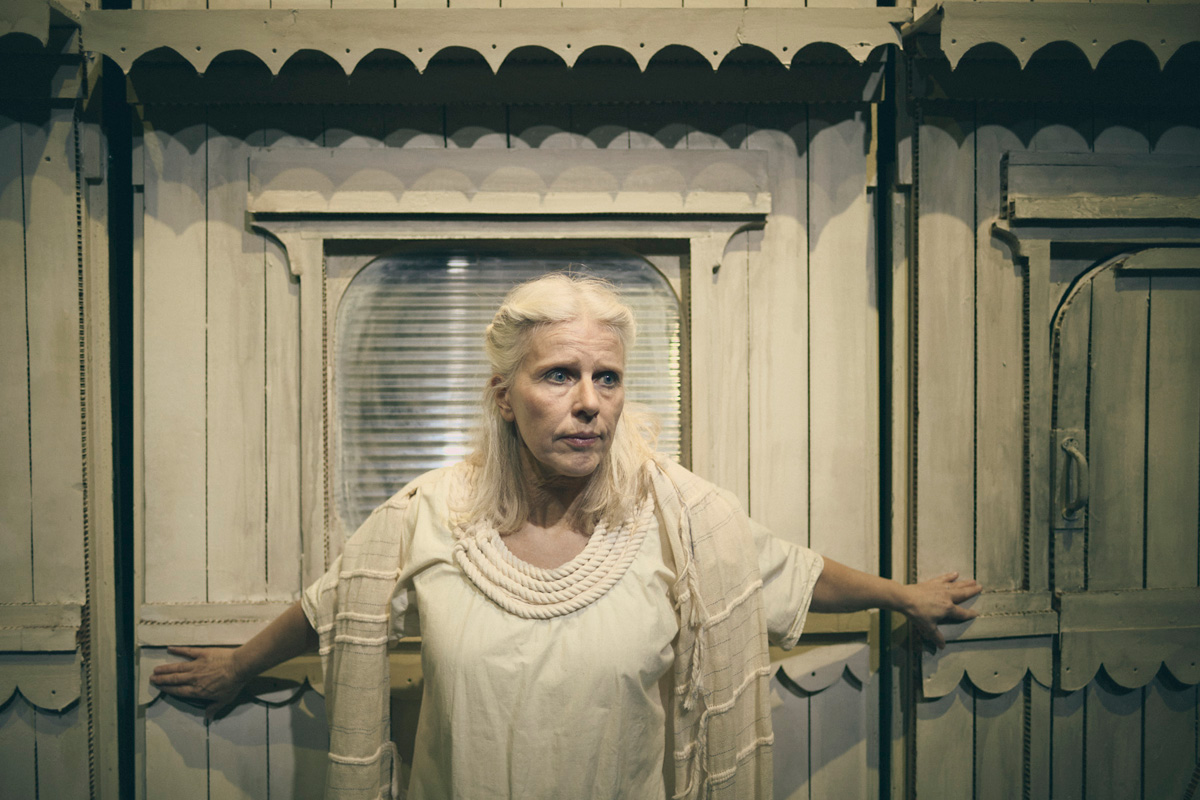
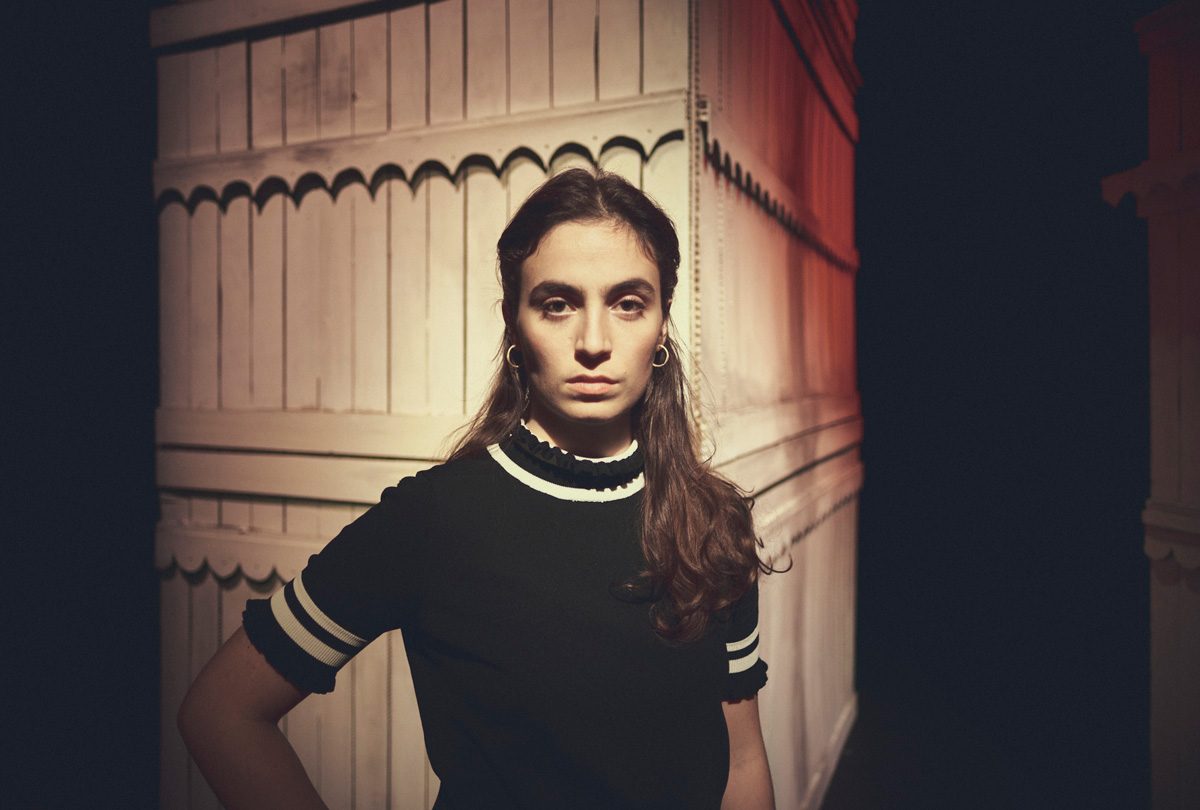
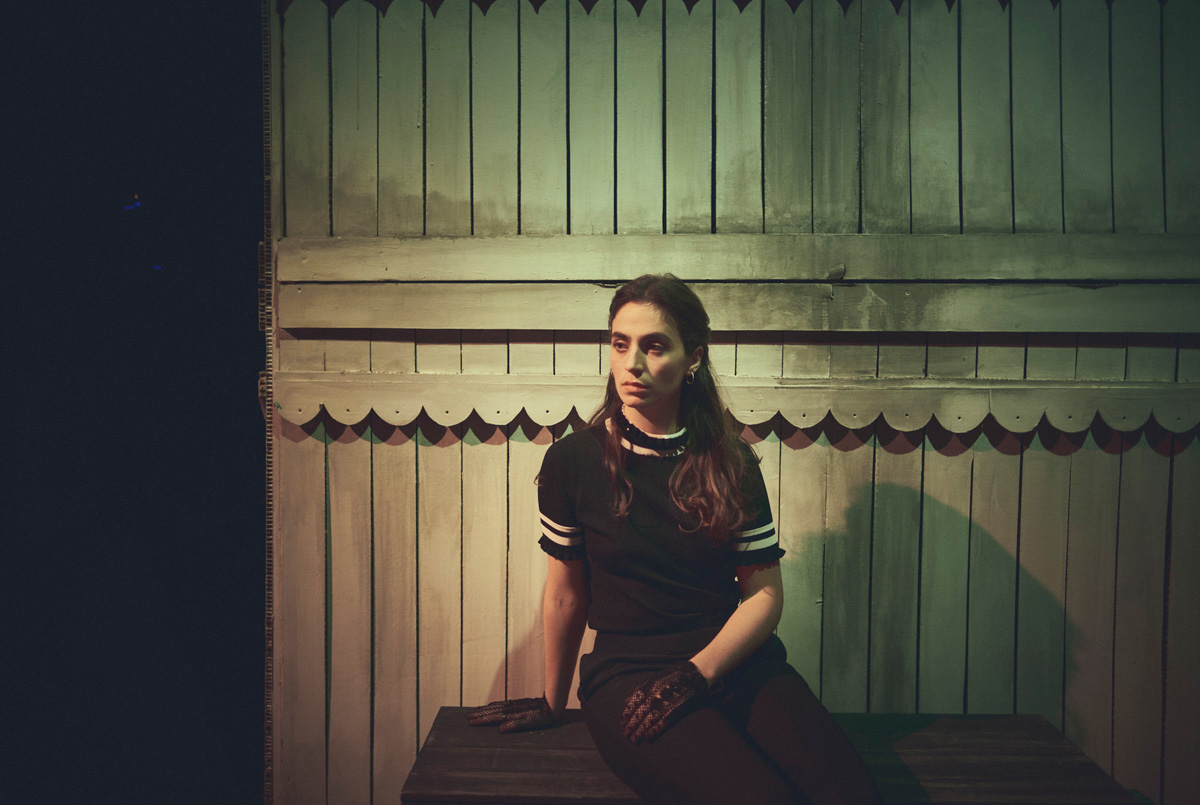
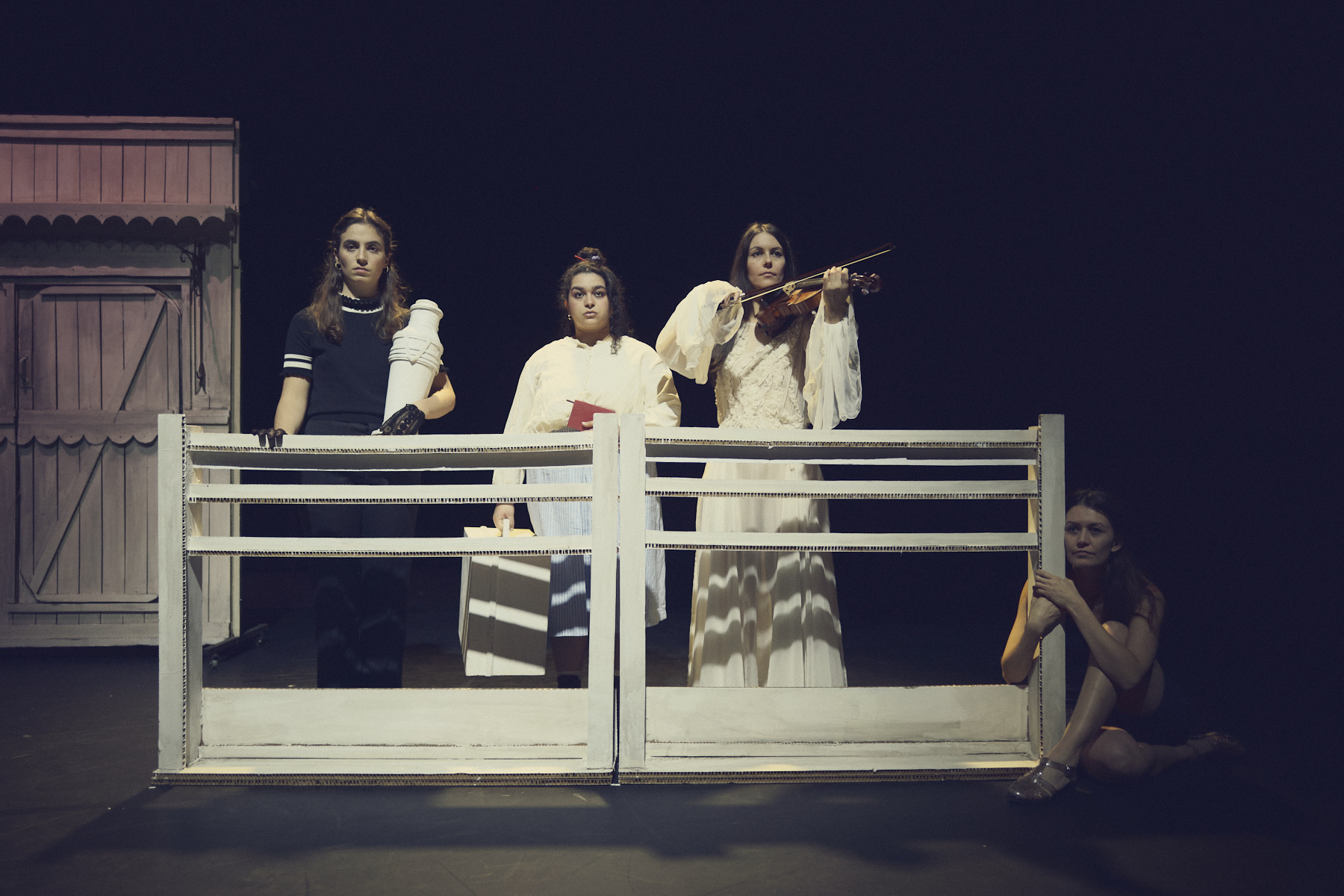
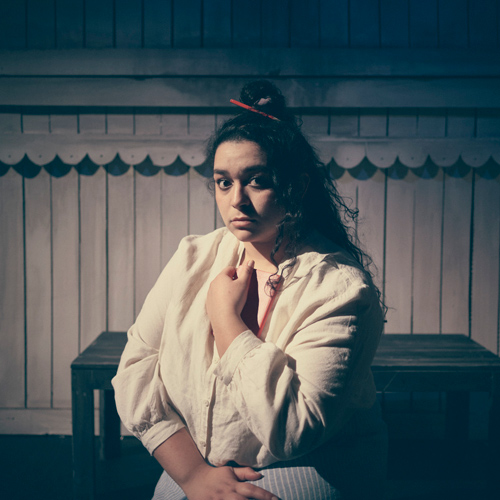
(Amélie Zekri) : The Dreamer's main alter ego, she travels with a suitcase full of notebooks where she painstakingly records every event. Anissa struggles to let go of the past and her memories, a fear that literally paralyses her.
The Captain
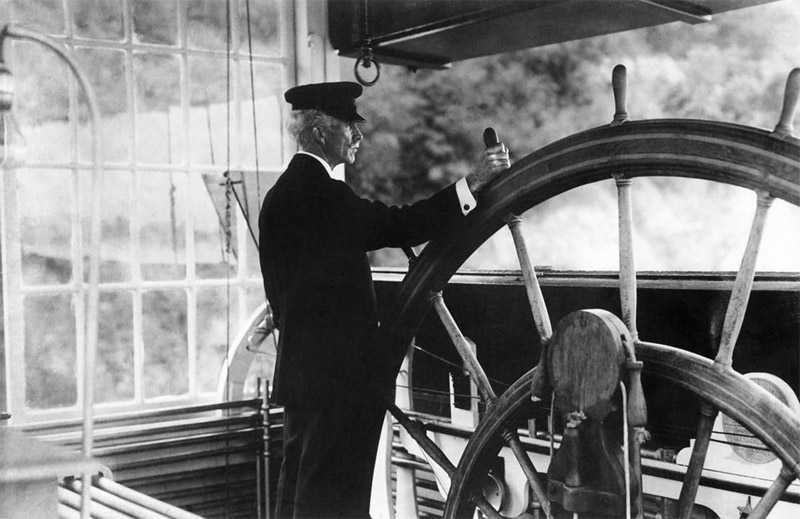
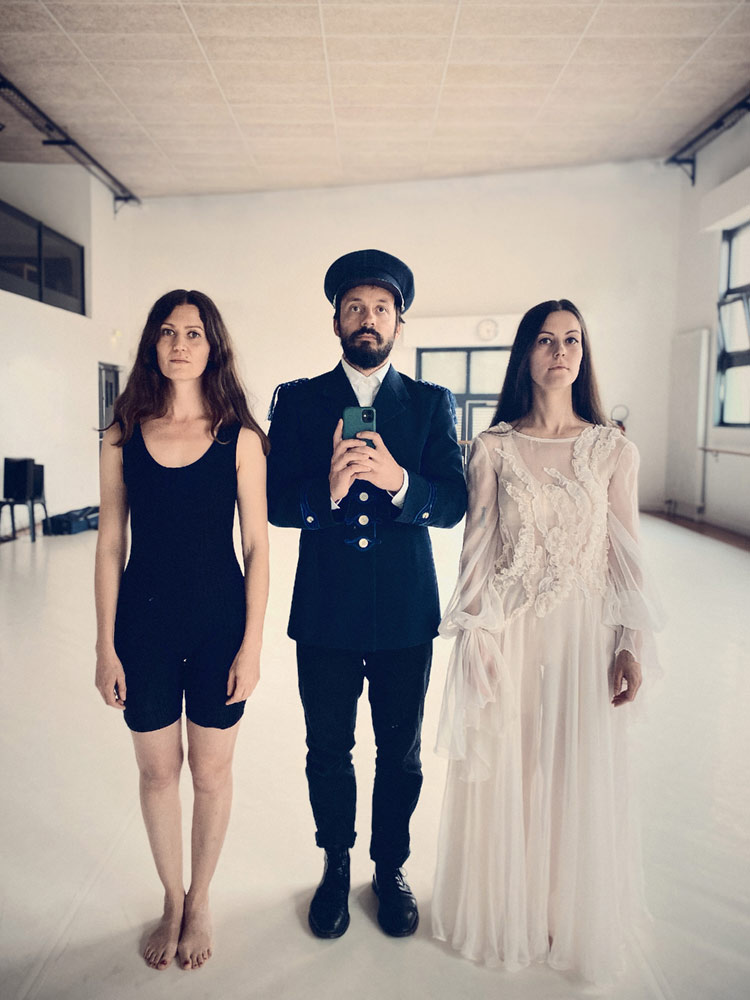
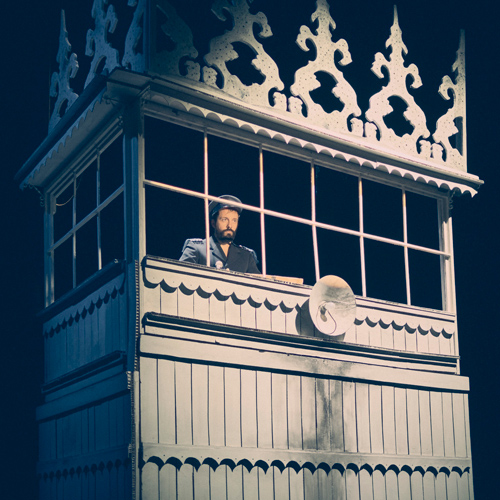
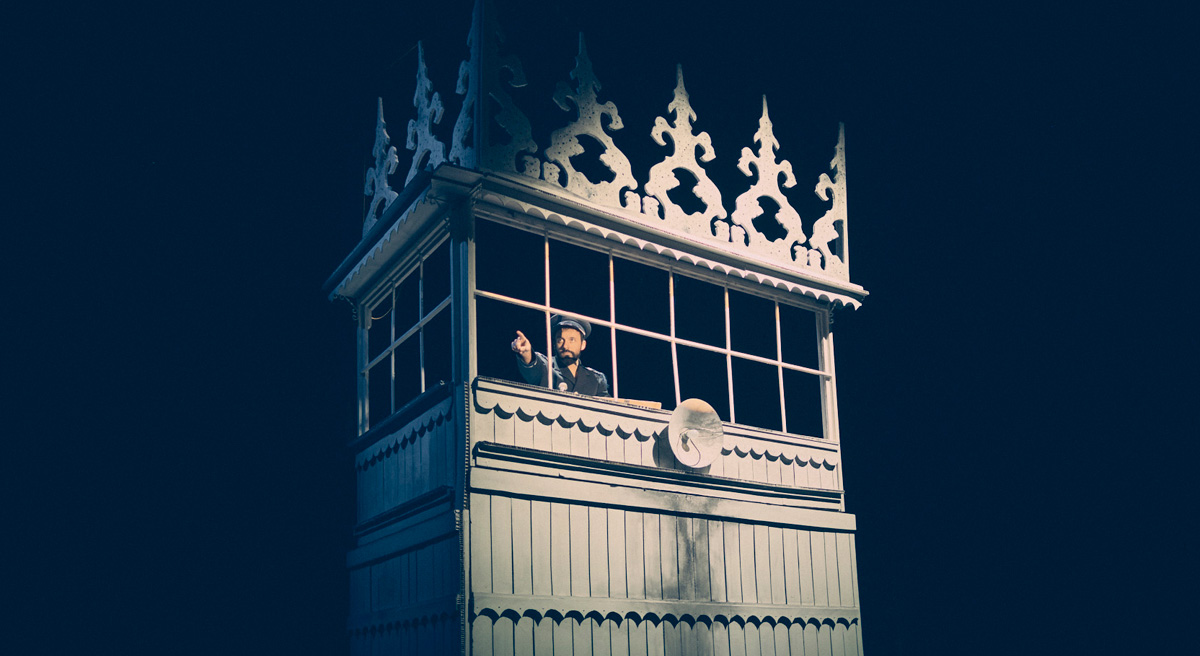
(Lorenzo Papace) Austere and mysterious, the Captain steers the passengers towards an unknown destination. Like the Dreamer, he seems to know events in advance and remains largely detached, focused on the journey and looming tempests.
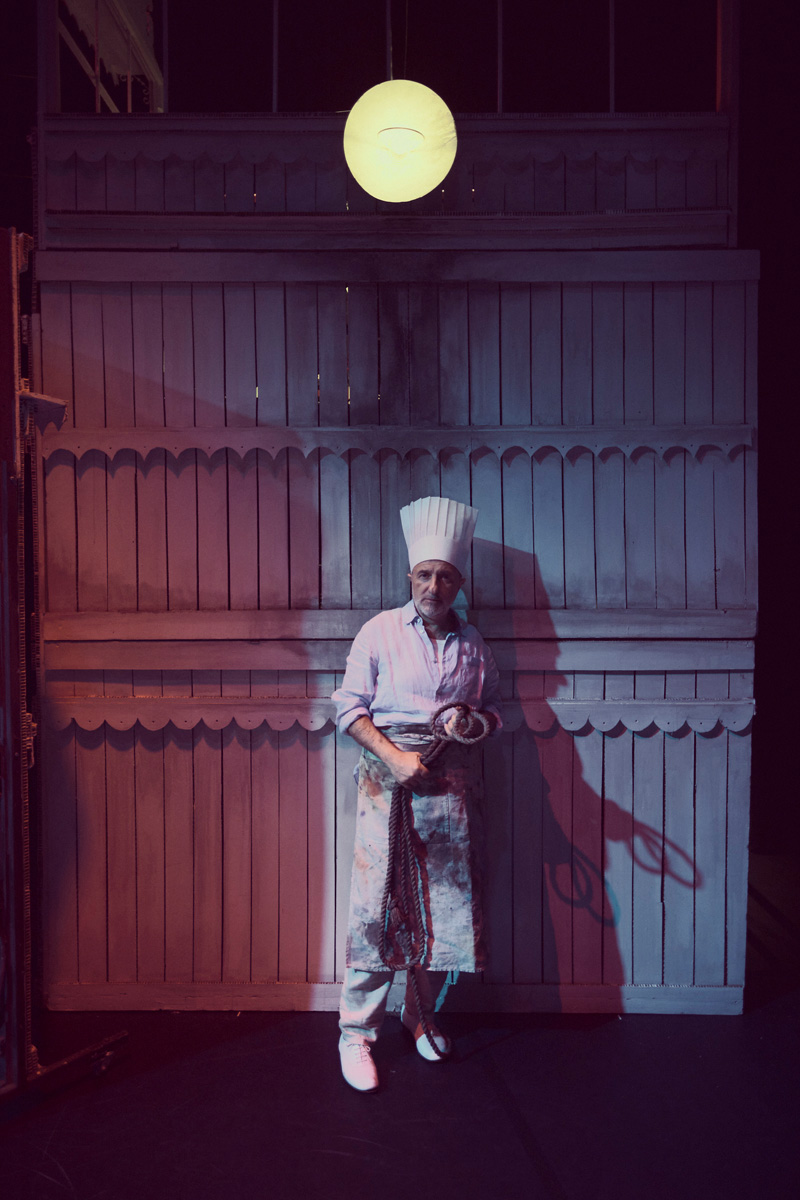
Diego, the Ship's Cook
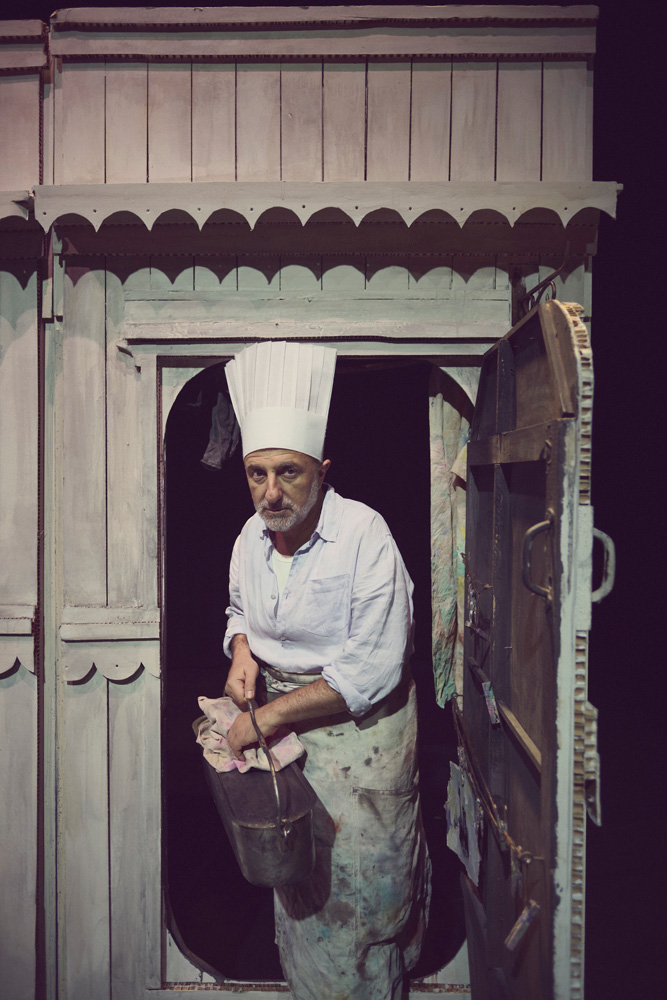
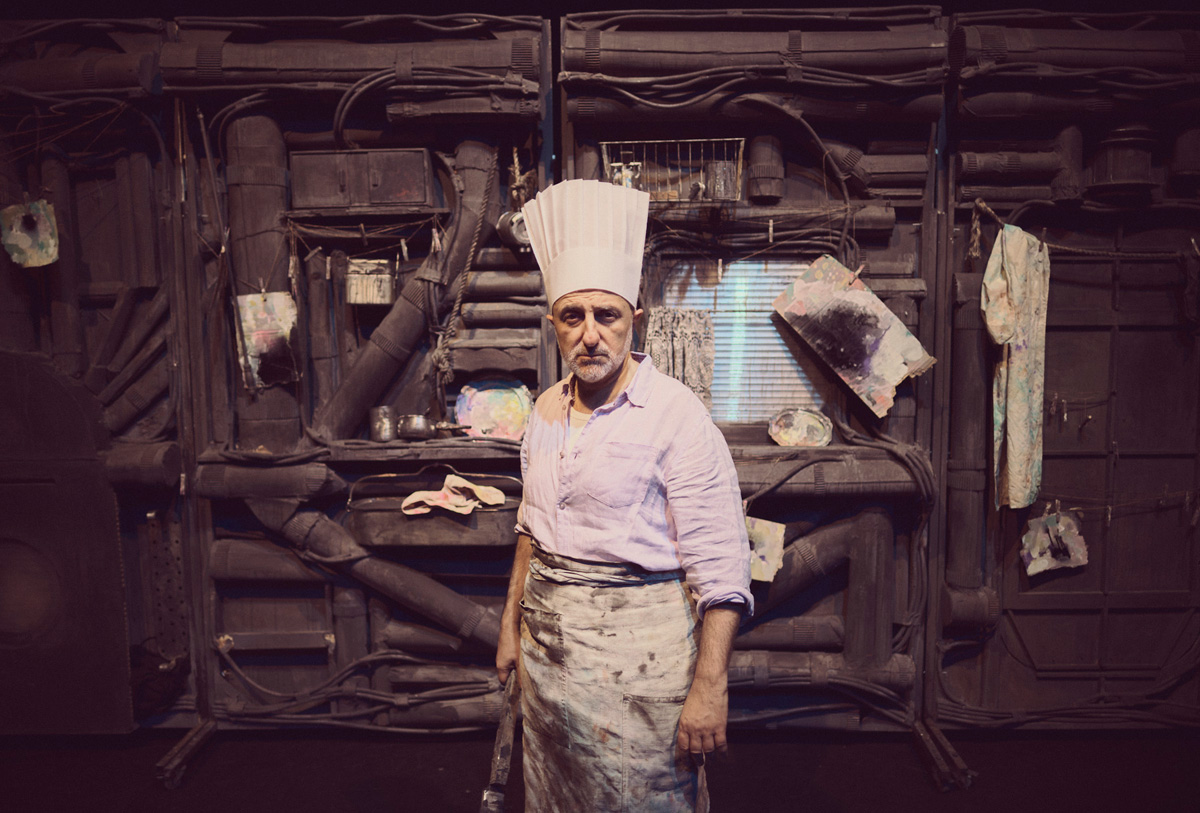
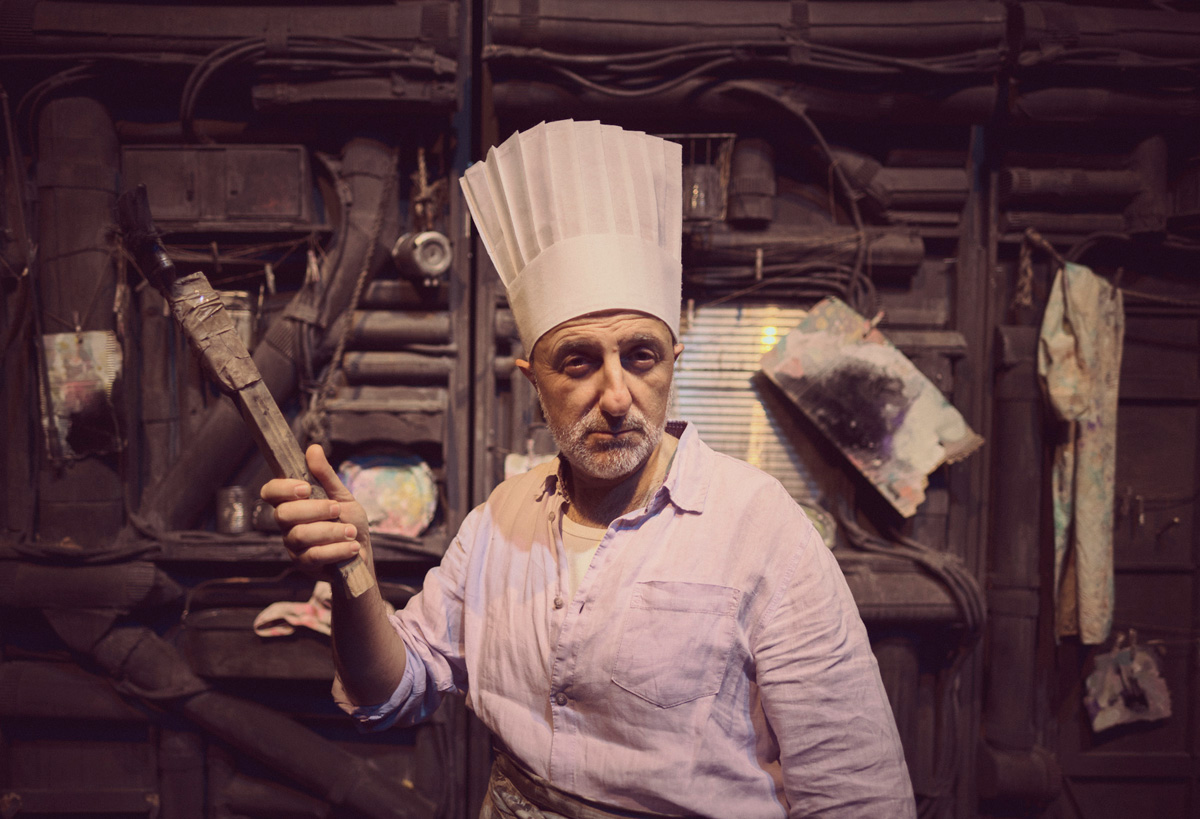
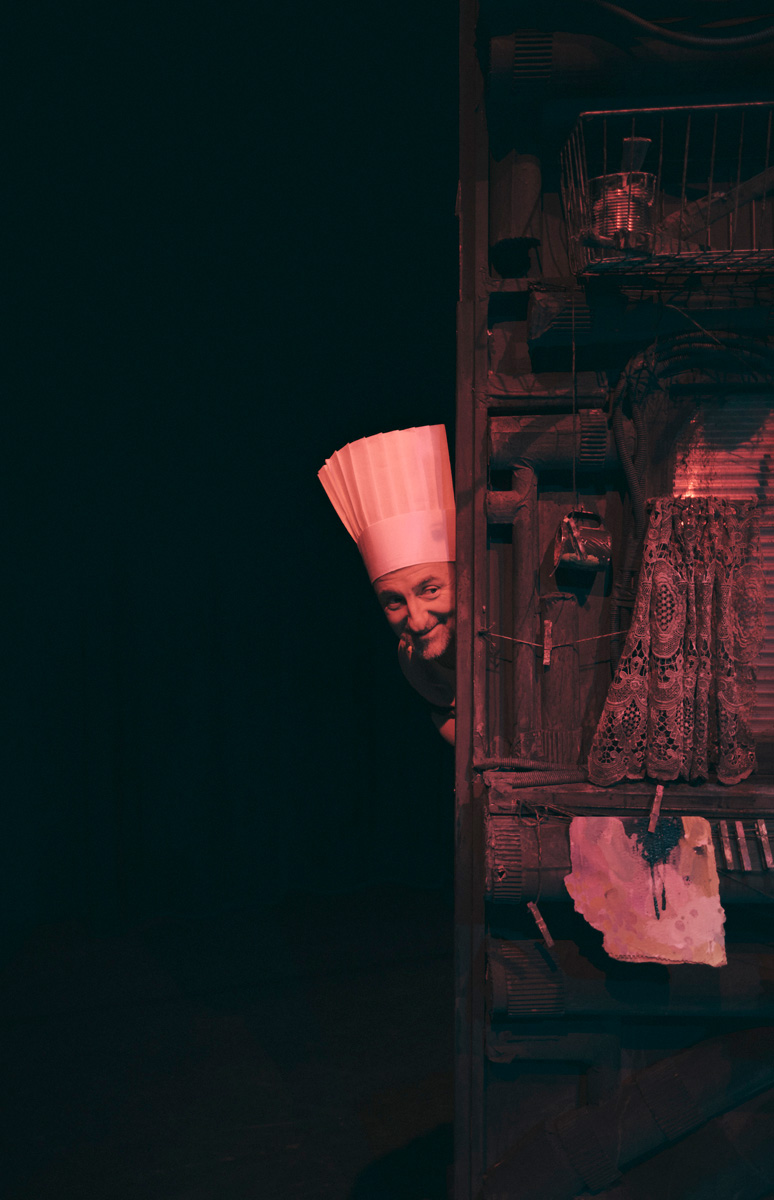
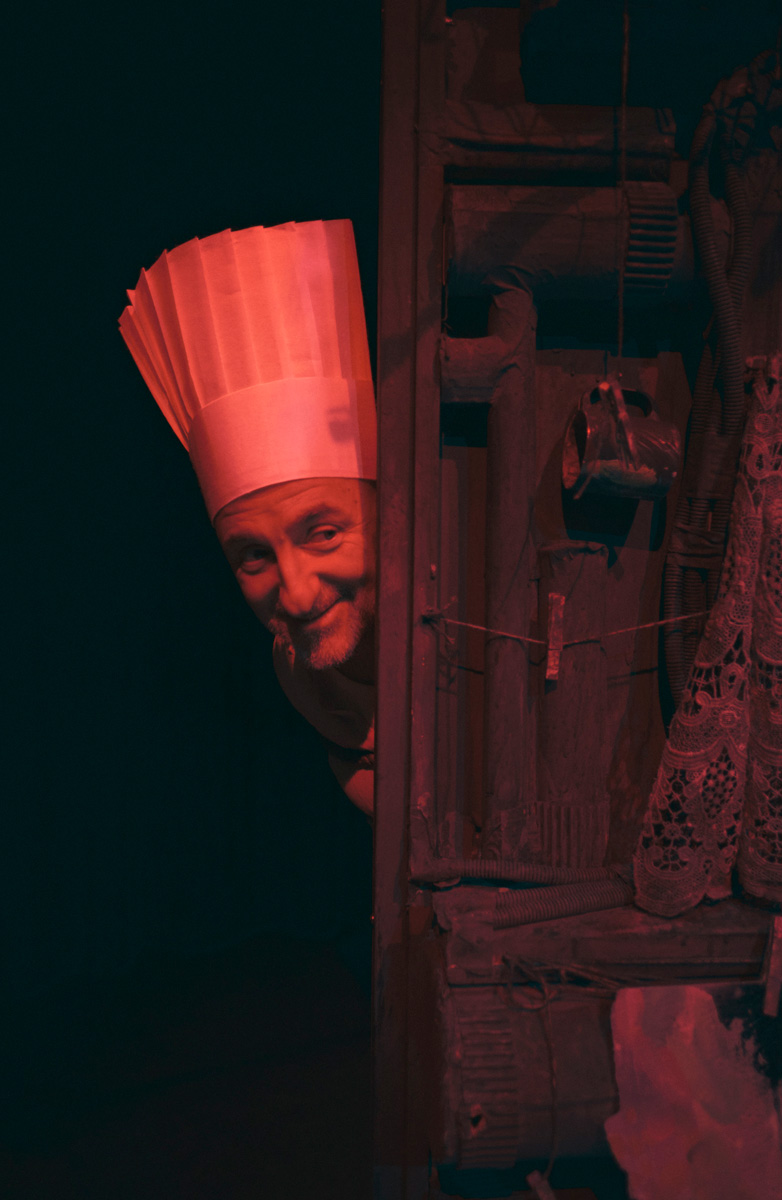
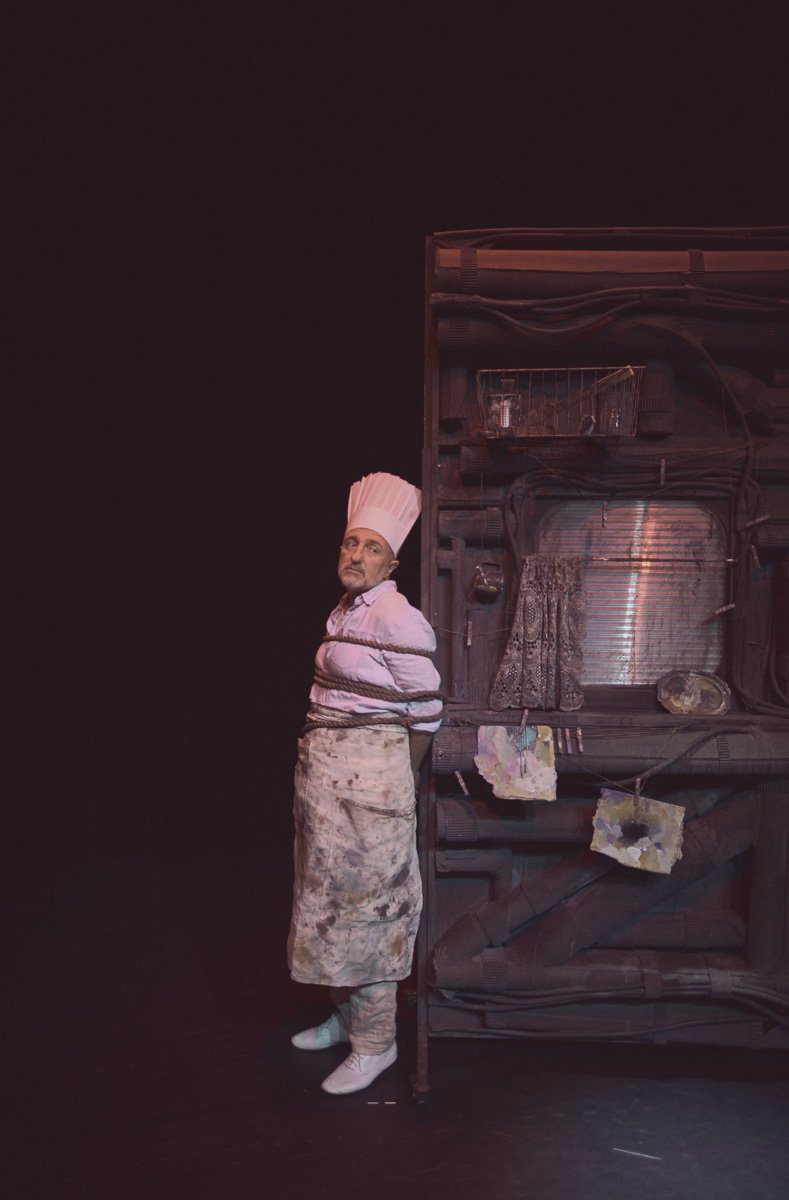
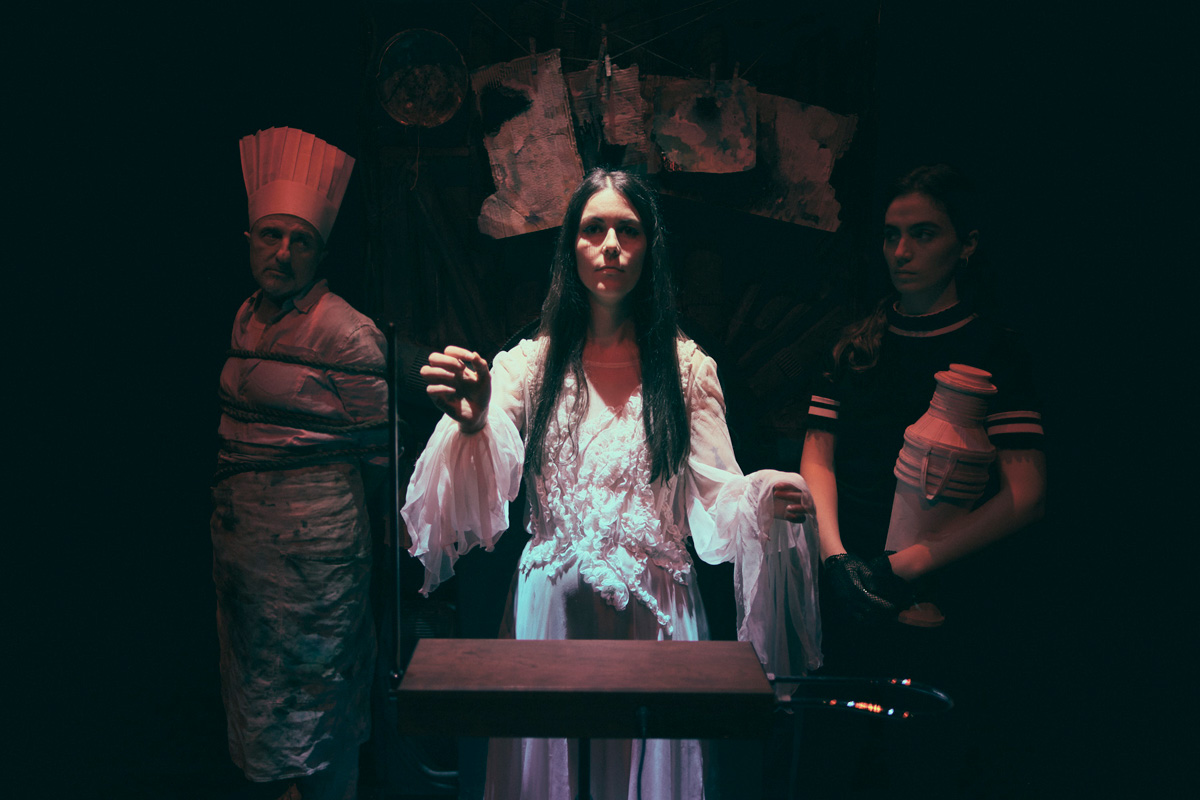
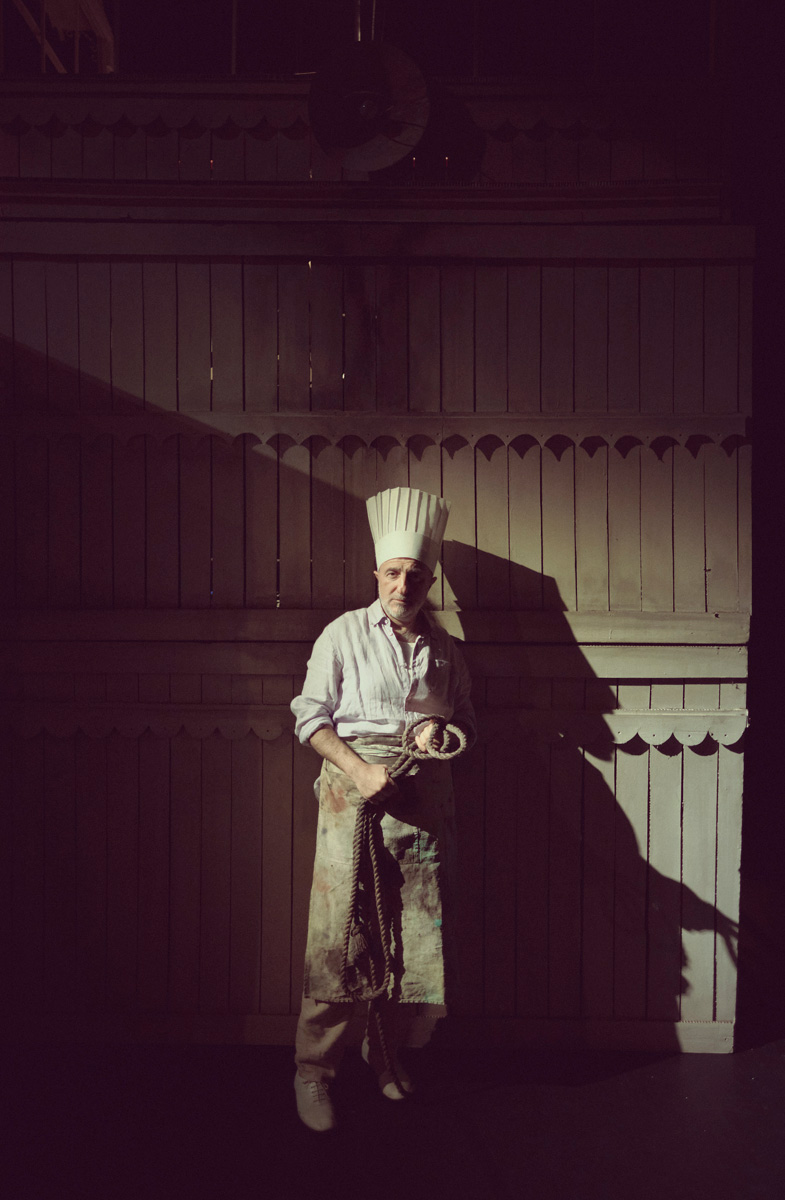
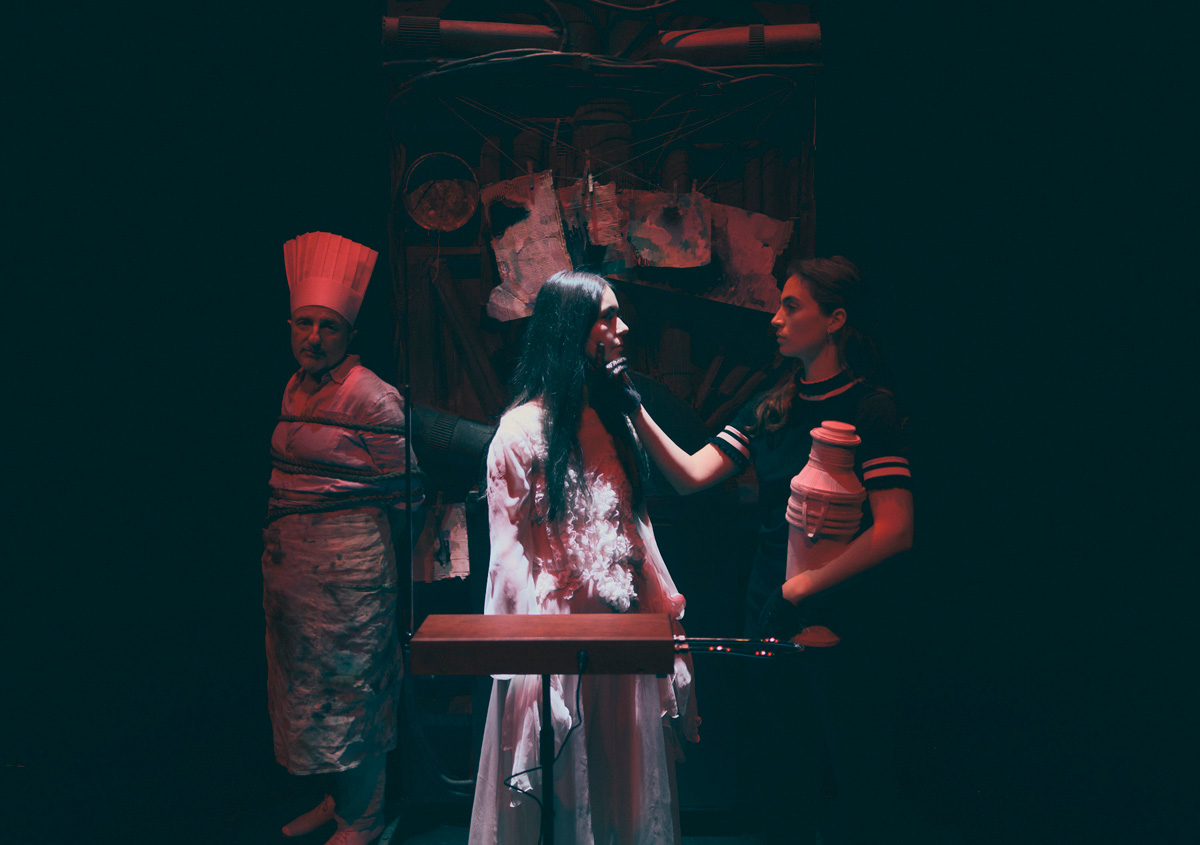
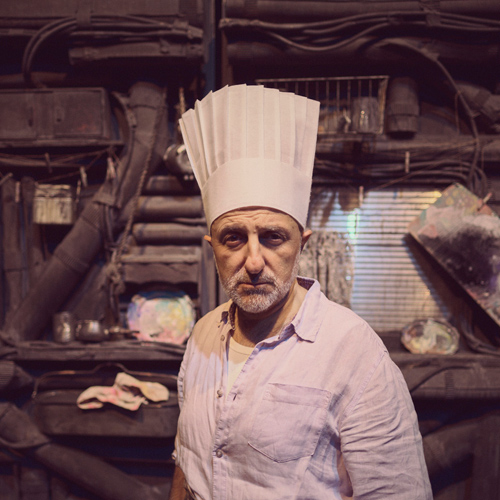
(Jean-Philippe Salerio) : The ship’s cook who dreams of becoming a painter. Fascinated by waves, he spends his time copying famous paintings of tempests. His encounter with Blanche will overturn both his journey and his modest artistic aspirations. Diego is mischievous, clever, and somewhat manipulative.
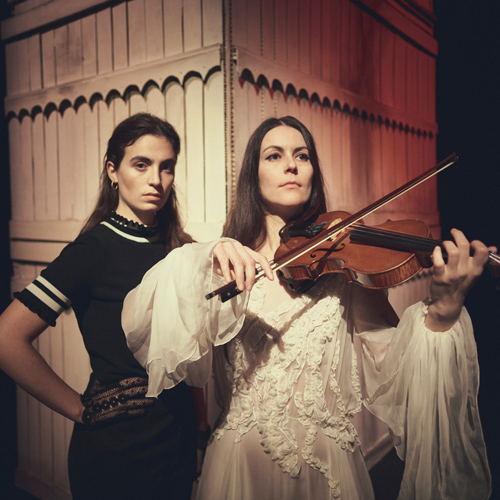
Brune & Blanche
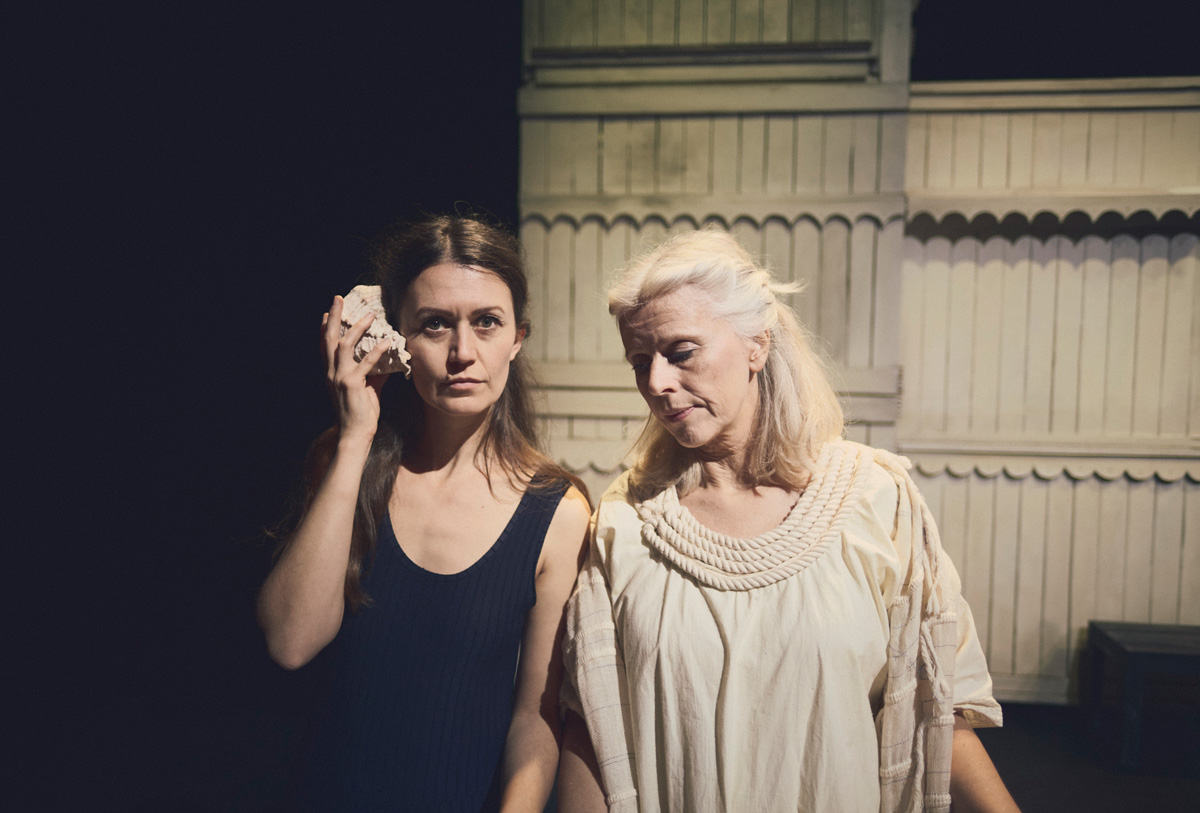
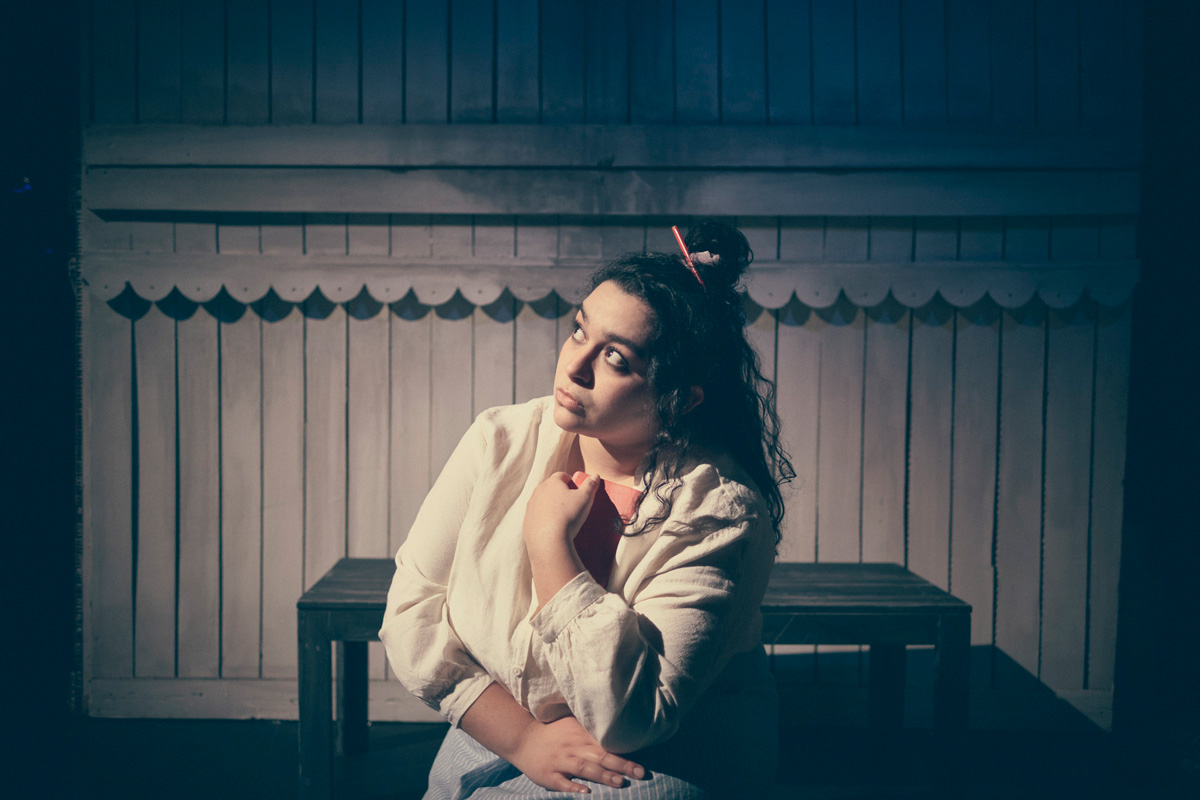
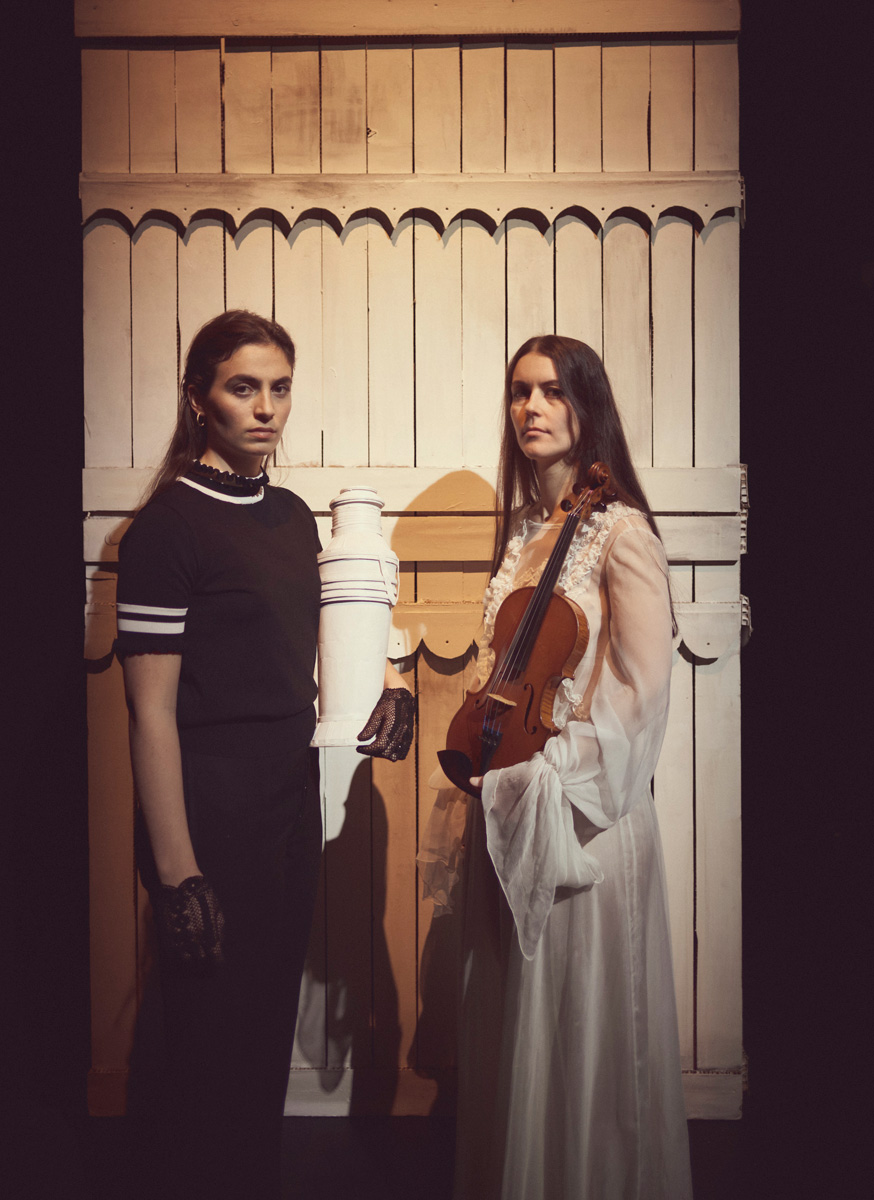
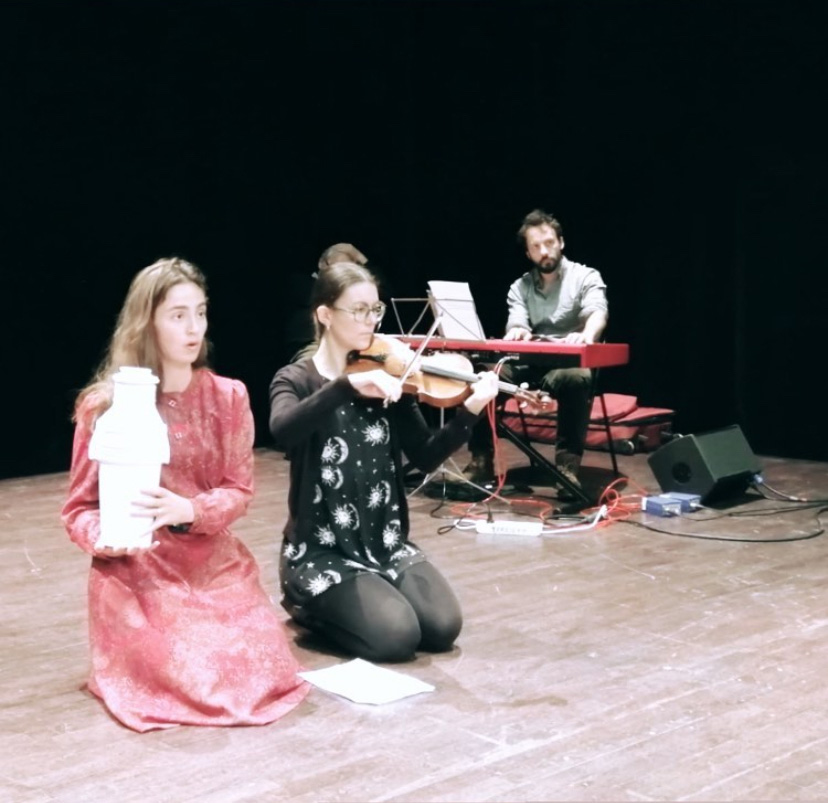
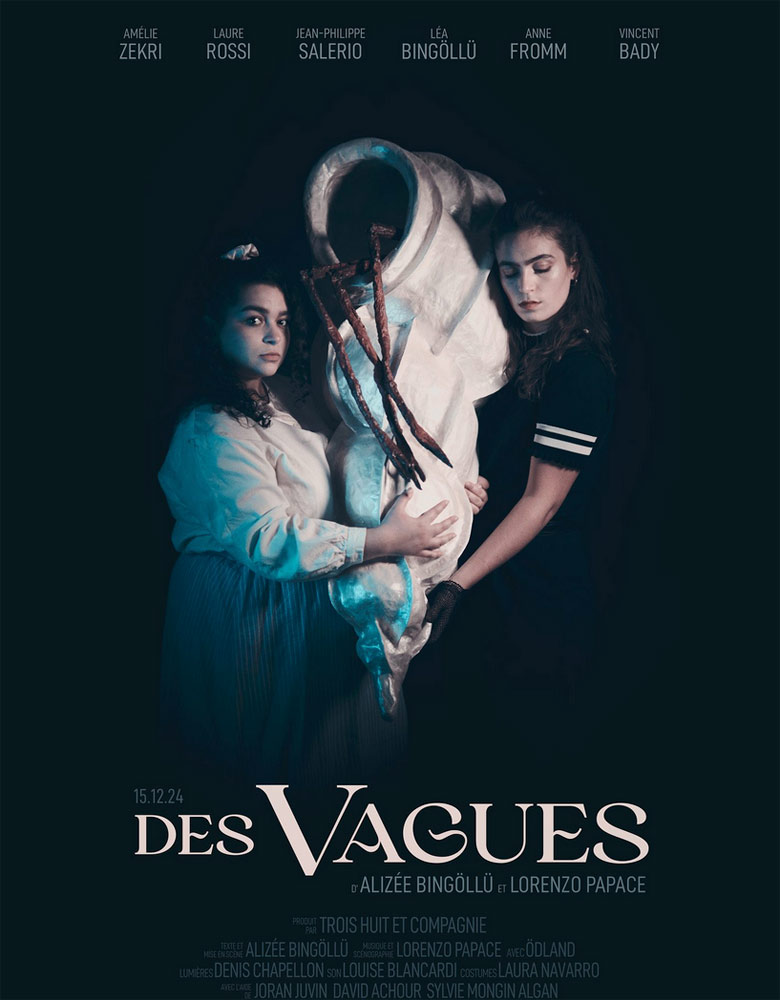
(Laure Rossi & Léa Bingöllü) : Two inseparable sisters who carry a heavy secret. Brune is possessive and protective of Blanche, and resists any connection forming between Blanche and Diego. Blanche, mute, expresses herself mainly through her violin and seems detached from events. Throughout the crossing, they seek to complete a funeral ceremony.
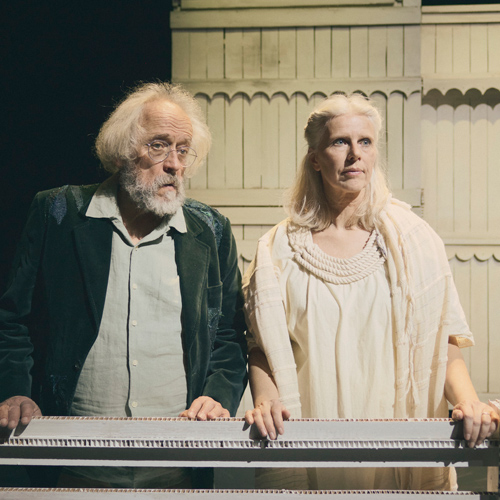
Aimé & Albertine
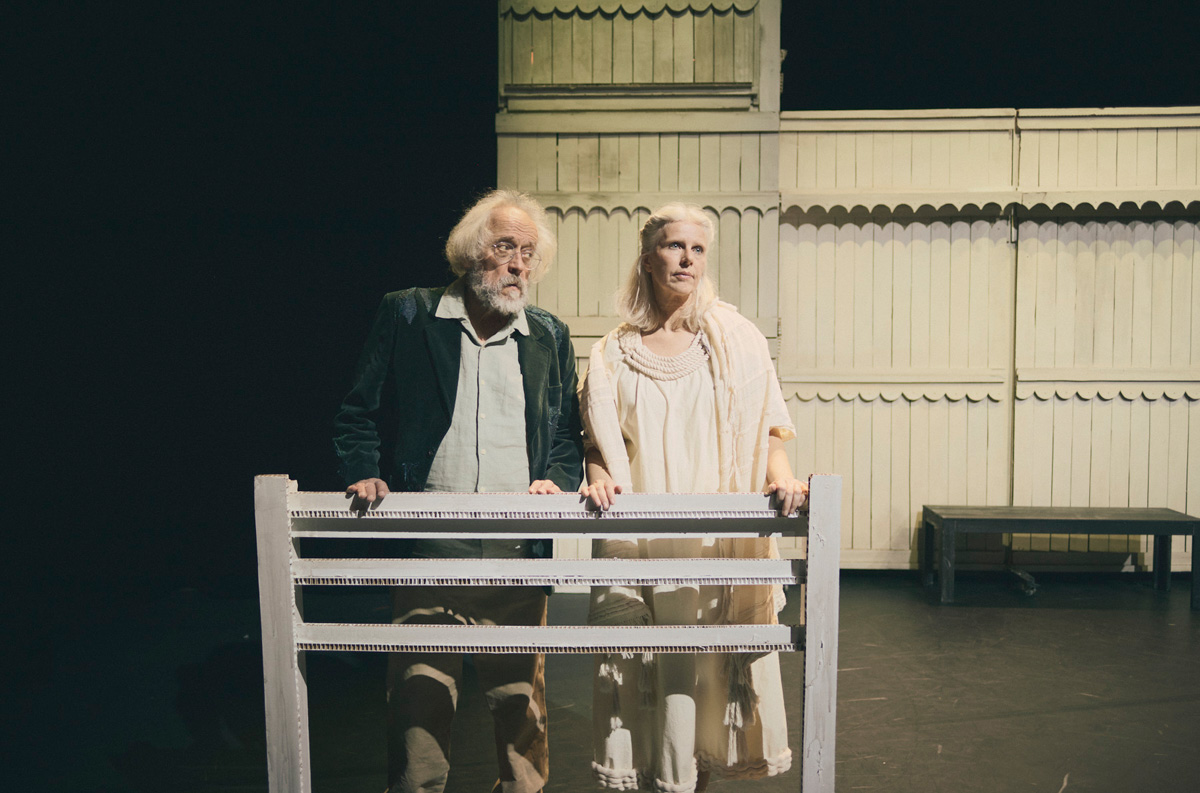
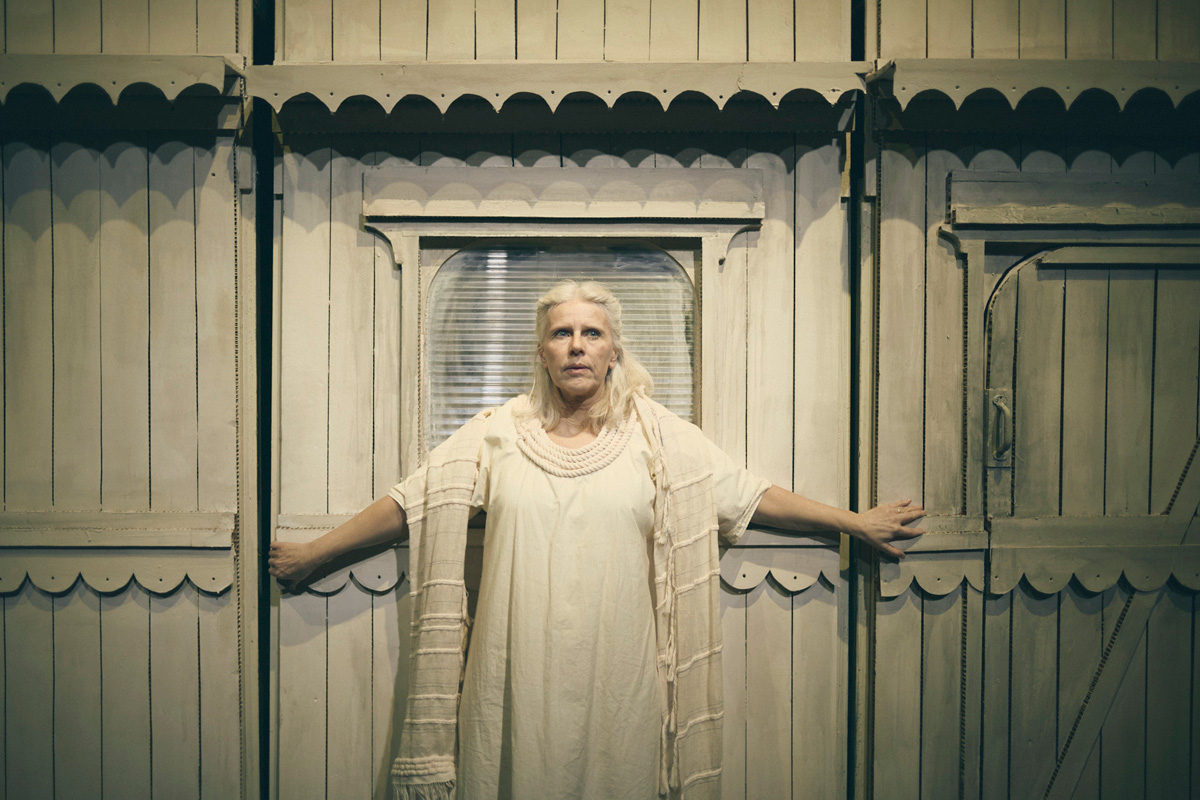
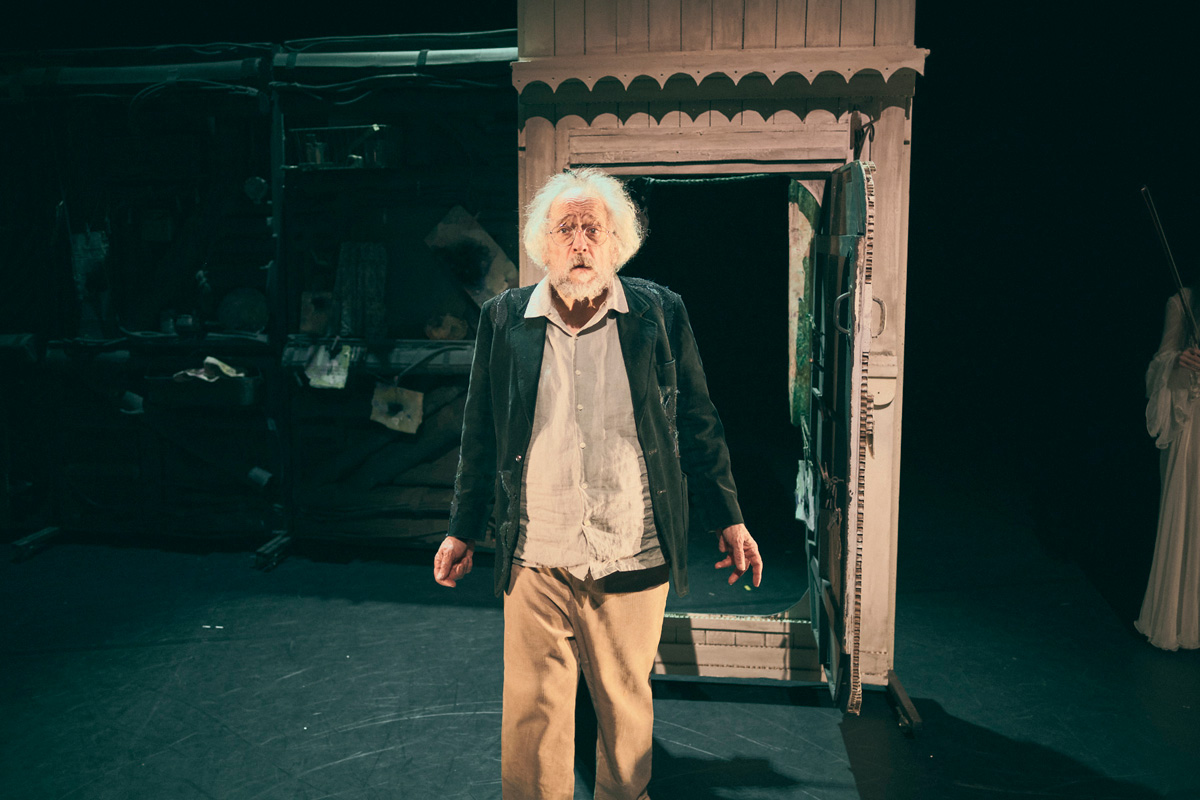
(Vincent Bady & Anne Fromm) : A brother and sister undertaking their final voyage together. Aimé, a former engineer, announces he can no longer care for Albertine due to her memory loss. This realisation awakens her past traumas of domestic violence and her growing sense of abandonment.
Storyline
Des vagues unfolds in three acts, punctuated by a central storm that irreversibly transforms the fates of the characters.
Prologue
The Dreamer, lying on the beach, drifts into reveries about climate change.
In the distance, a white boat appears — an unreal silhouette on the horizon.
As she slips into sleep, she embarks on a dreamlike voyage.
The song Prologue à l’intrigue serves as an opening exposition, where each character is introduced through a dedicated verse.
« Je rêve, je m’endors, je divague sur la plage. Mon bateau métaphore du vagabondage, vagabondage. »
« J’arrange les choses, je dispose, j’organise. Jamais voyage sans ma valise, ma valise, c’est ma hantise. »
Act I
« Tu me dis que j’oublie même qui je suis… femme anonyme… « Je brosse, je masse, je concasse, je sauce, « Dans le ciel et sur la mer, on décèle l’immense cosmos. Des puissances et de nos guerres resteront seulement nos os. »
Tu me blâmes, tu m’humilies tu enfermes mon âme dans l’abîme.
Suis-je un débris qui périme ? Mise au rebut du système.
Ne me jette pas ! Je me souviens…»
je fracasse les os des cuisses de carcasses.
Je tasse, je pousse, je fricasse, je mousse.
Et tous à vos places pour le plat de l’audace : Risotto à la rascasse.
J’aimerais tant être un peintre notable.
En attendant, mes enfants… à table ! »


Act II
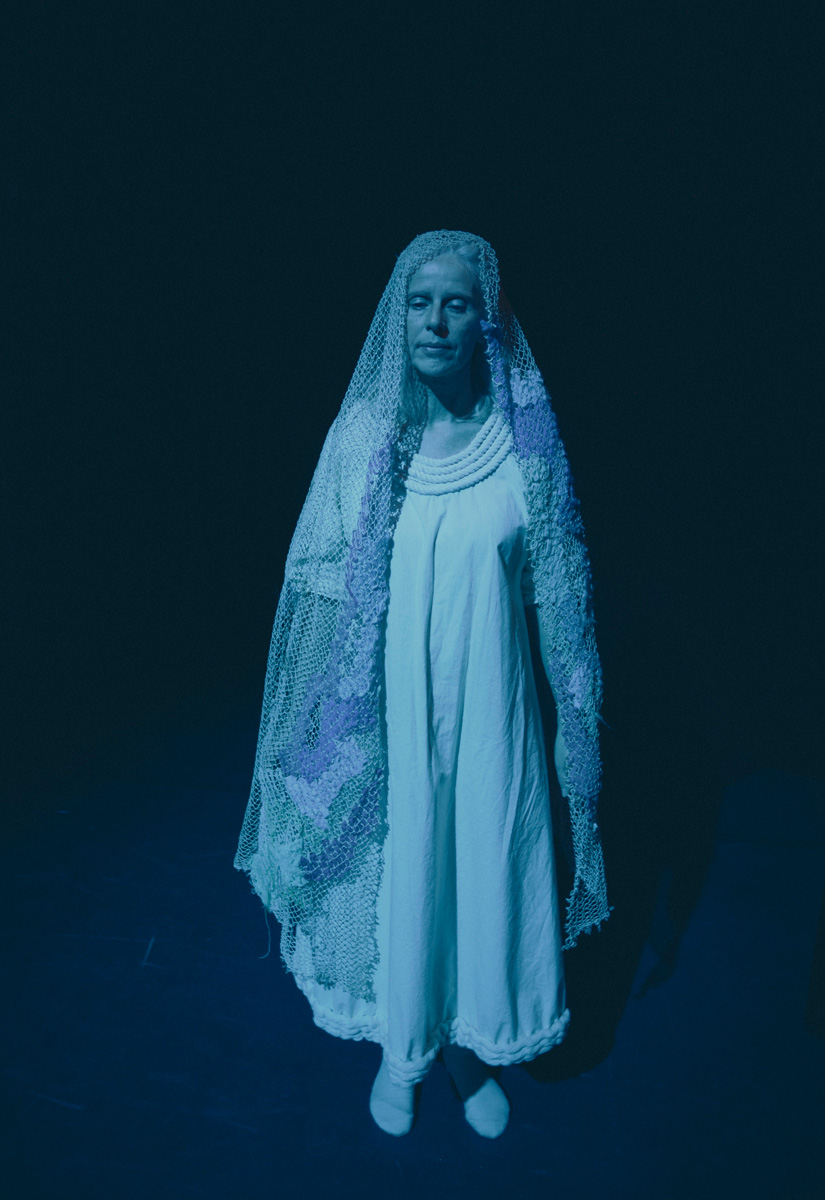
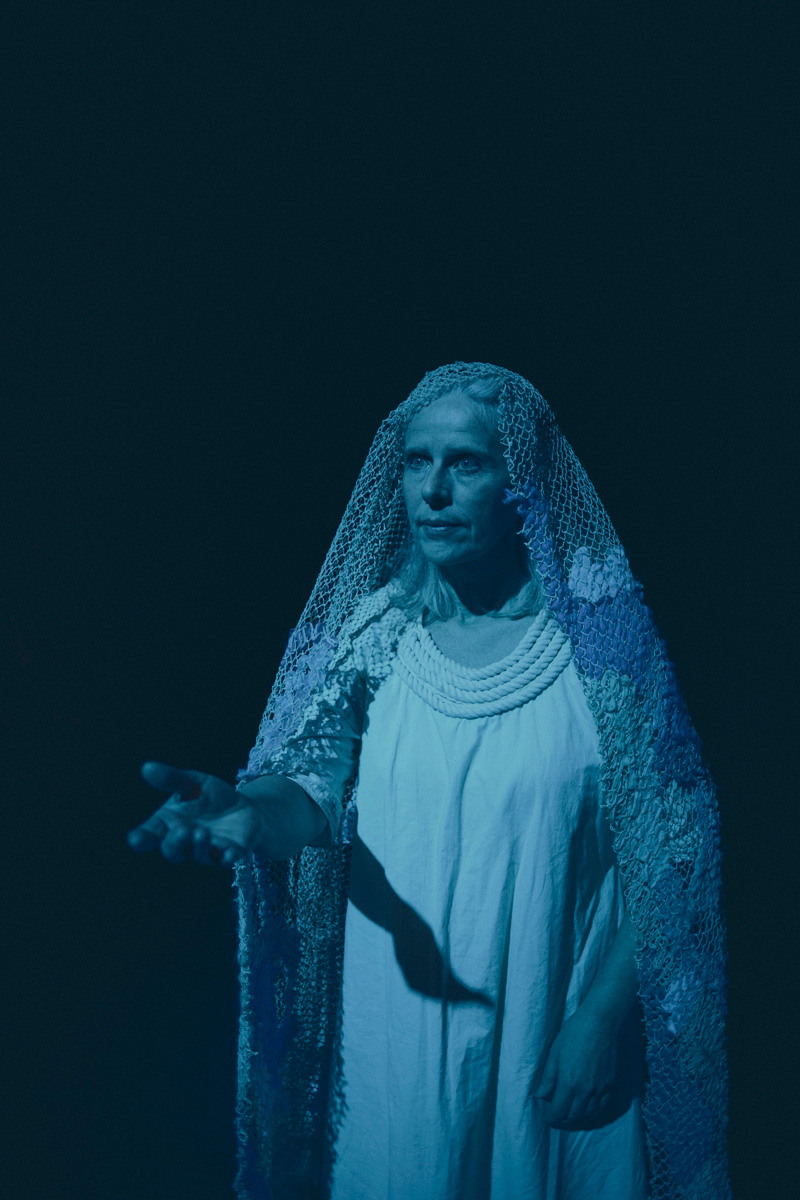
A sudden storm erupts. The boat violently pitches under the gusts, and all the passengers are swept into a whirlwind of fears, memories, and visions distorted by anxiety. Albertine, overwhelmed by her traumatic memories, believes she sees her violent husband pursuing her across the boat. Unable to distinguish between dream and reality, she relives her past terrors. Anissa, distraught, rushes after her to save her. Plunged into the ocean depths — symbolised on stage by the theatre hall bathed in blue light — they encounter Le Chœur des femmes oubliées: a group of voices seeking to hold back those who drift into oblivion. Albertine, exhausted by her invisible wounds, finally accepts this abandonment at the bottom of the ocean. She finds peace among those who welcome her. Anissa, however, refuses to give in to oblivion. She accepts this mission and rises back to the surface, carrying within her a new commitment.
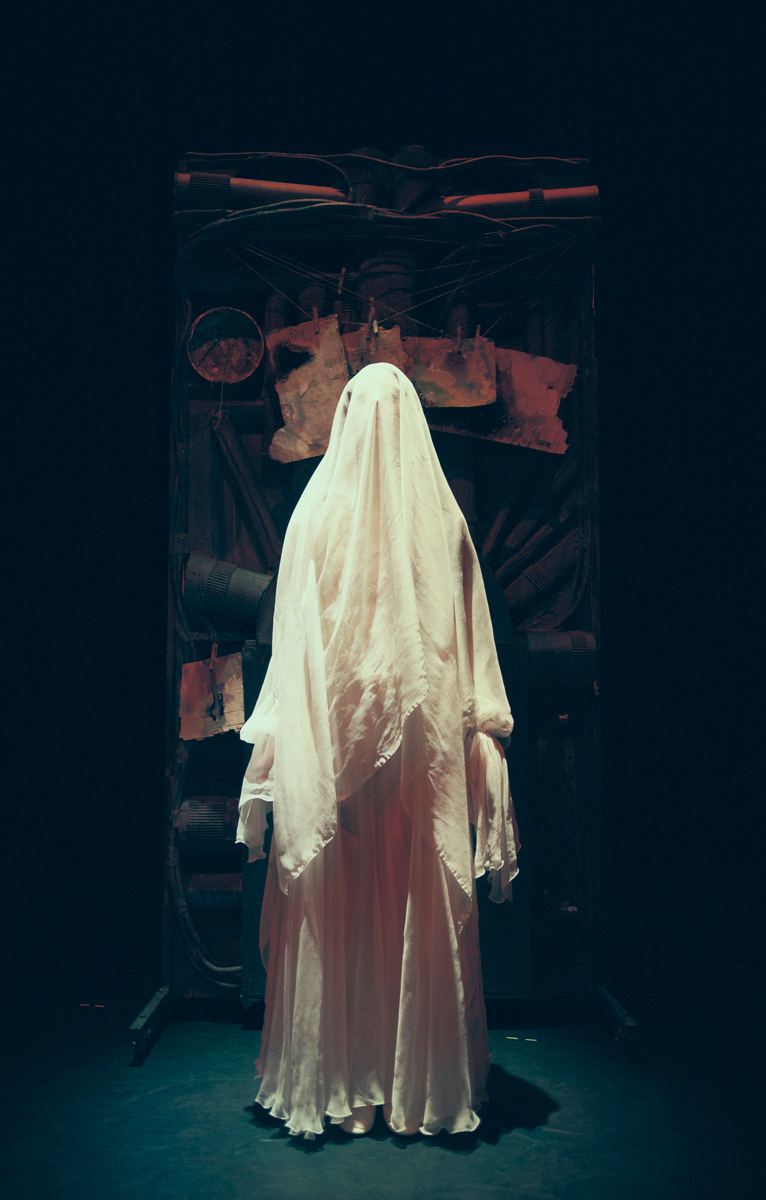
In the confusion, she jumps overboard, desperately seeking to escape her past.
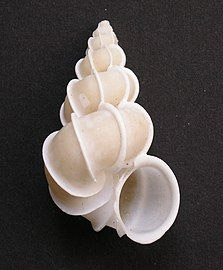
Moved by her determination, the choir entrusts her with a symbol of hope: l’enfant coquillage, a fragile being whom Anissa must protect and raise.


Act III
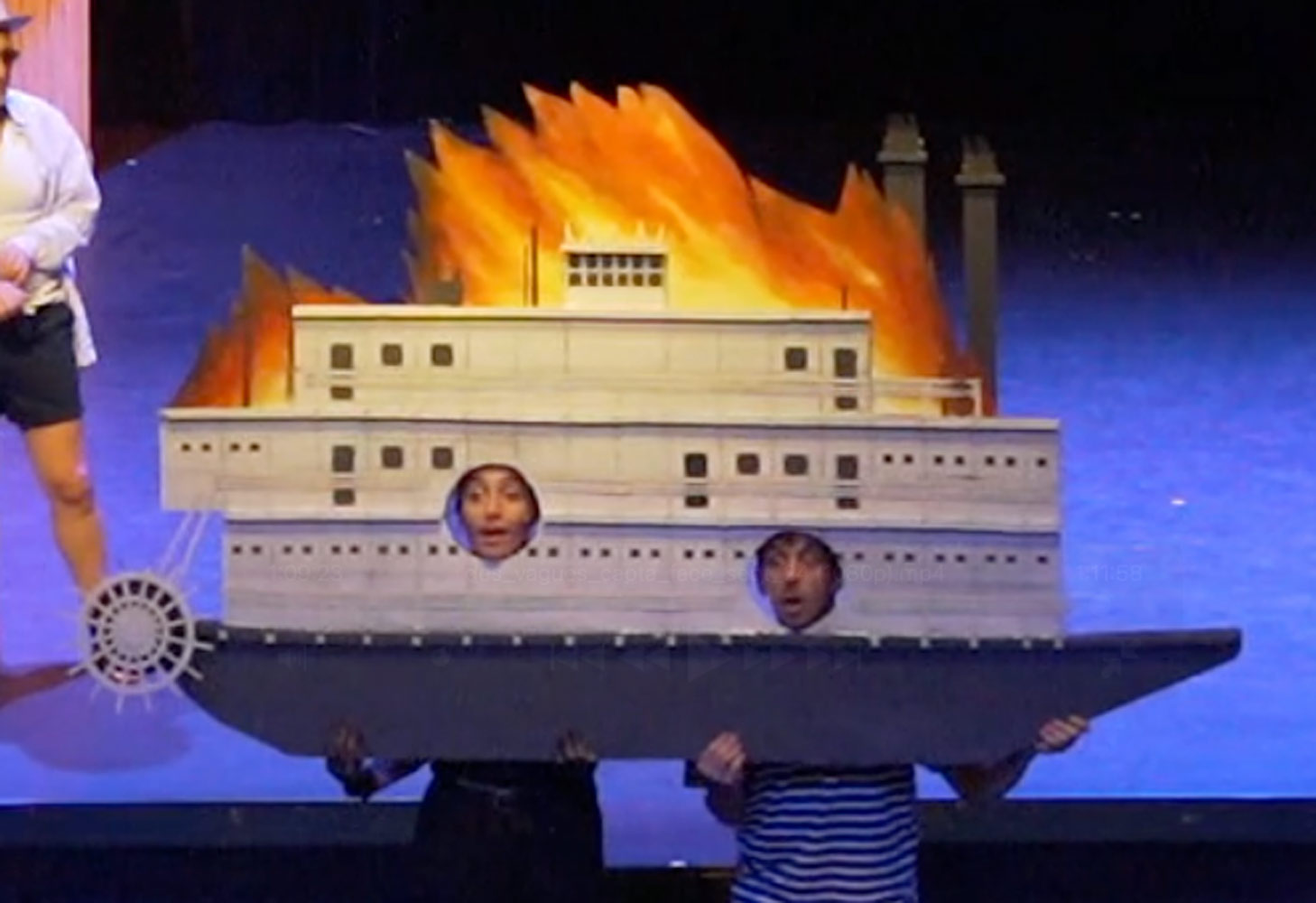
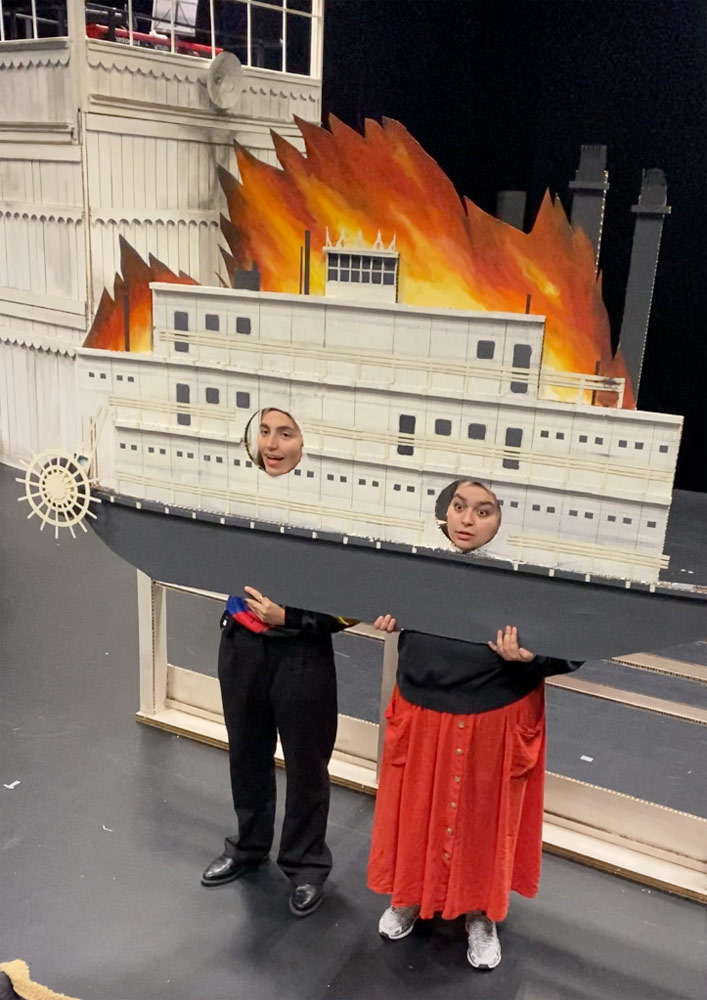
A fire breaks out on board. Anissa, upon seeing the smoke, is thrown back into childhood memories — the loss of her mother and grandmother in a fire. She worries for the safety of the shell child she has vowed to protect. Brune discovers that the fire started in the kitchen, where Diego, lost in his creative obsession, had completely neglected safety. Anissa realises that Diego has stolen and destroyed her precious notebook — the one in which she recorded everything to preserve memories. This liberation, far from being soothing, is marked by the raw pain of detachment and the acknowledgement of the irreversible. The ship slowly sinks, engulfed by flames and rising waters. Meanwhile, Anissa desperately tries to save the shell child — a fragile symbol of preserved memory and a possible future.
Panic spreads among the passengers as flames begin to consume the ship.
Consumed by his passion for Blanche, his muse, Diego falls into a destructive frenzy that endangers the entire crew.
Confronted with this double shock — the loss of her notebook and the threat to the shell child — she falters.
Brune, until now unable to part with her deceased sister, finally accepts to let Blanche go, casting her ashes into the sea.
Diego, locked in his madness, believes he is completing his masterpiece even as everything collapses around him.


Epilogue
The Dreamer returns to the beach. She slowly awakens, shaken by her dream. But just as she believes she has found peace, a small burning boat drifts slowly towards the shore: The Dreamer gazes at the horizon, carrying within her both mourning and a fragile hope.
By her side, her child is safe. The threat that loomed over her within the dream momentarily fades under the morning light.
the nightmare, subtly, spills over into reality.
It speaks of the ephemeral voyage, the hardships endured, and the inevitability of loss — yet also of the fragile persistence of memory and beauty.
The sea, like memory, continues to roll its silent waves.
How We Created Des vagues
This is how Alizée Bingöllü and I conceived and brought Des vagues to life, produced by the company ICI 3.8.
Dramaturgy
The creation of Des vagues began with a clear intention: we did not want to write a simple collection of songs around a theme, but to build a true musical drama.
A structured narrative where music, text, and scenography would work together to tell the story.
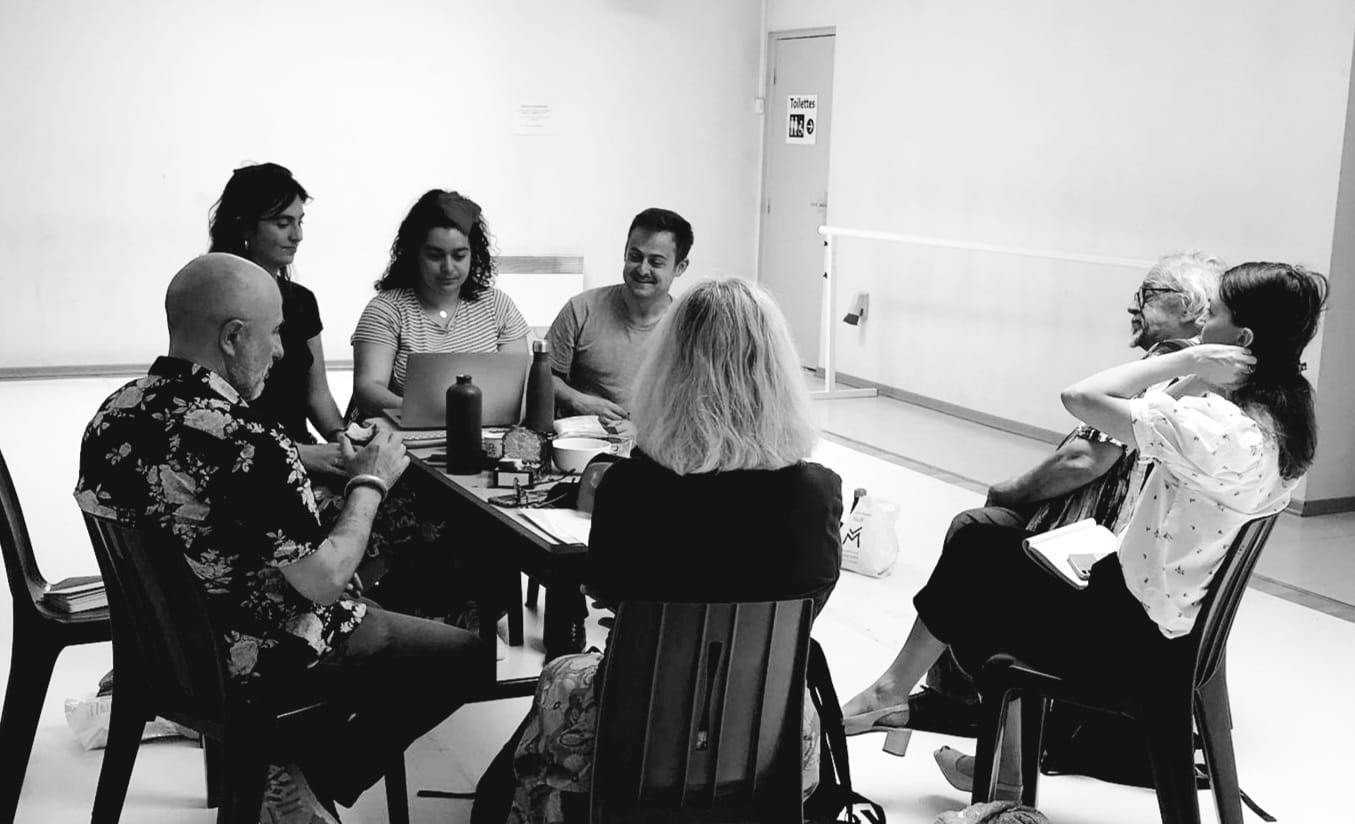
With Alizée Bingöllü, we first shared our desires, images, and recurring obsessions.
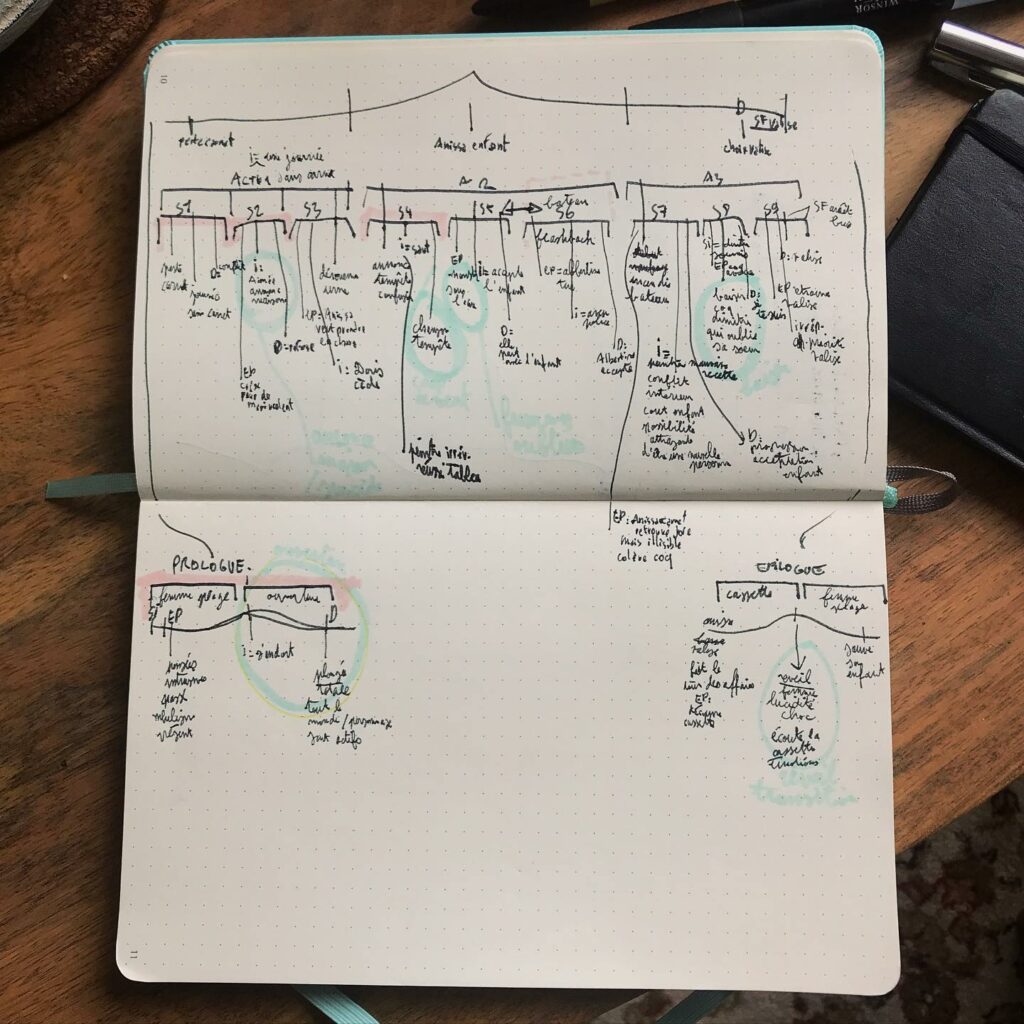
Then we structured the plot: characters, conflicts, and inner evolutions.
Des vagues follows a precise dramatic architecture:
initial situation → disruptive event → twists and turns → crisis → resolution.
The narrative is framed by a prologue and an epilogue, while a central storm marks the turning point of the story.
Each character undergoes an internal conflict that shapes their transformation:
The characters’ internal conflicts:
We also decided early on which critical or emotionally intense moments would require musical treatment.
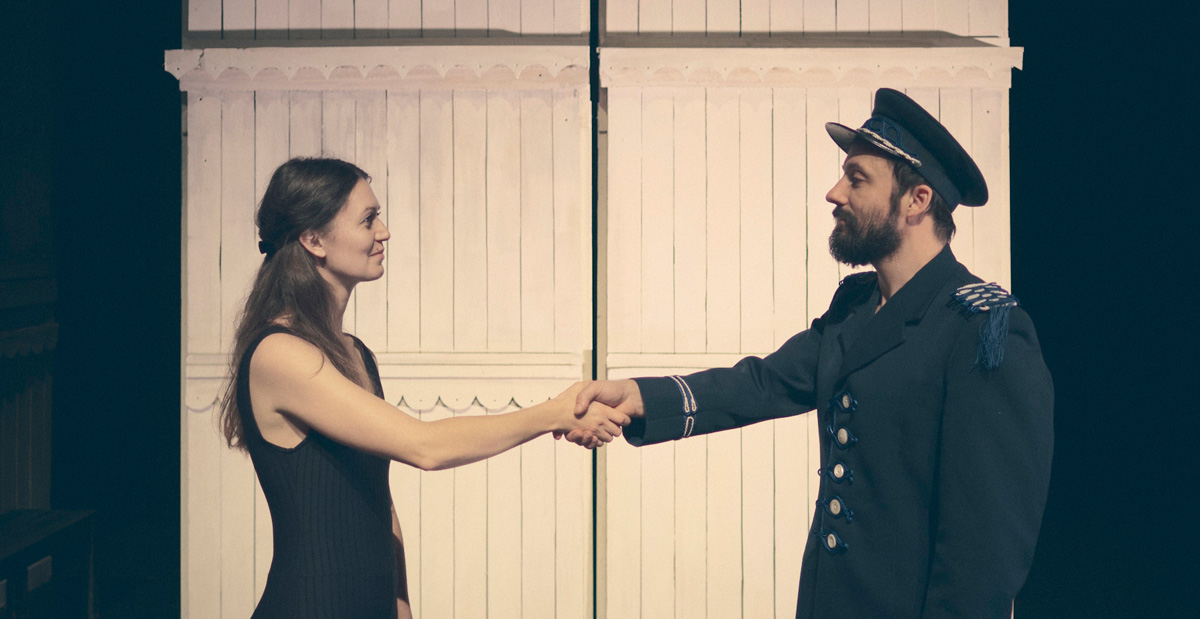
At times, the boundary between spoken drama and song fades away: dialogue flows into melody, a situation shifts into a musical memory.
Everything becomes music and narrative at once.
The nine main songs:
Based on this framework, we divided the work:
Alizée focused on writing the play, while I composed the songs.
The actors’ presence and interpretations then brought the dramatic material to life — it is through them that the characters truly gained depth and reality.
Composition
The musical creation of Des vagues followed the organic rhythm of a play in the making.
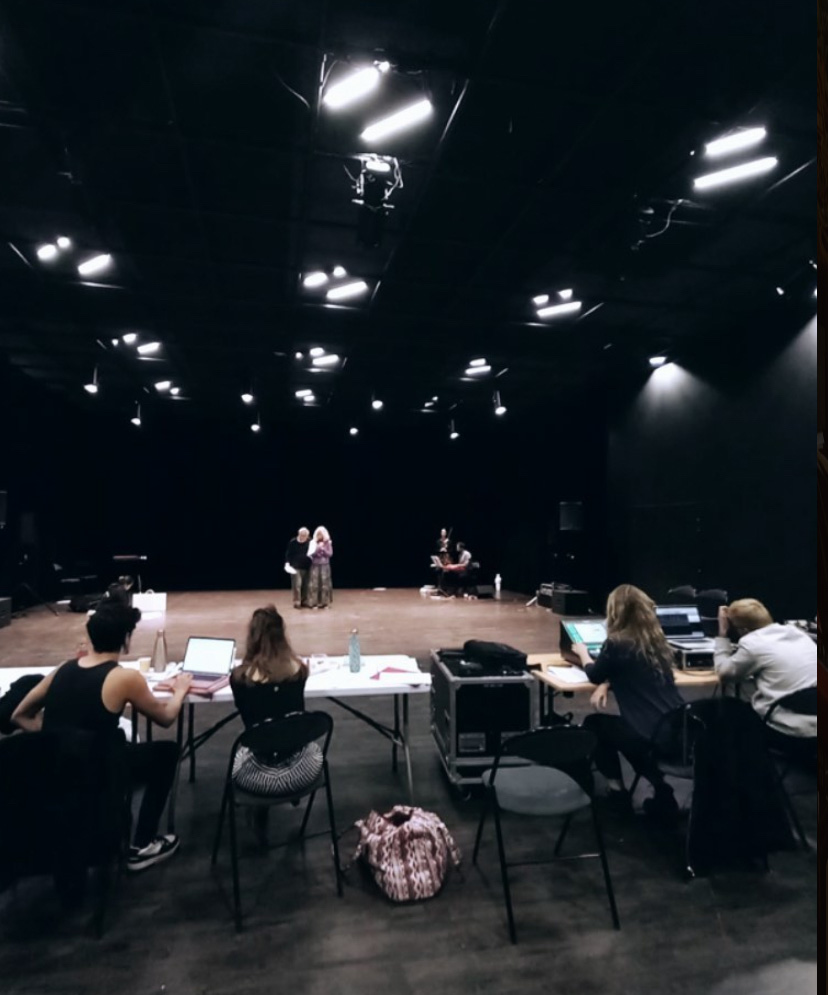
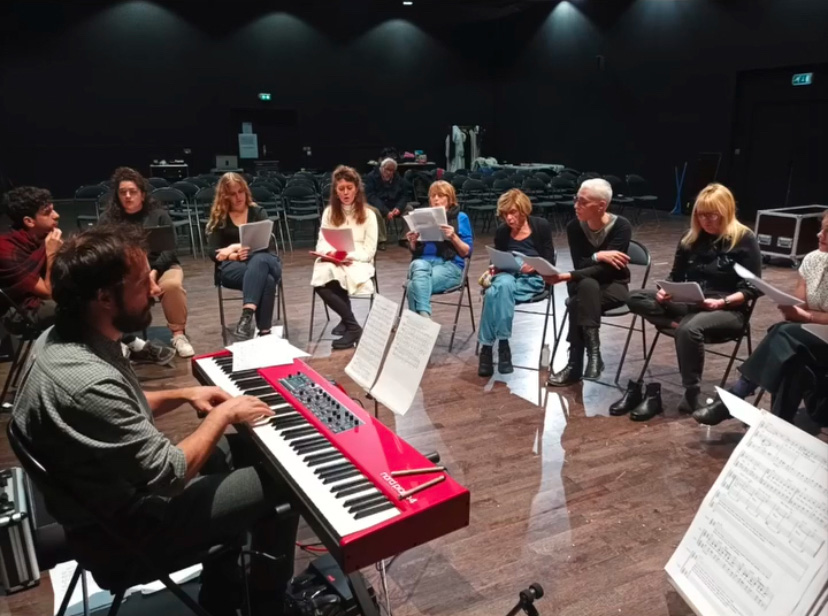
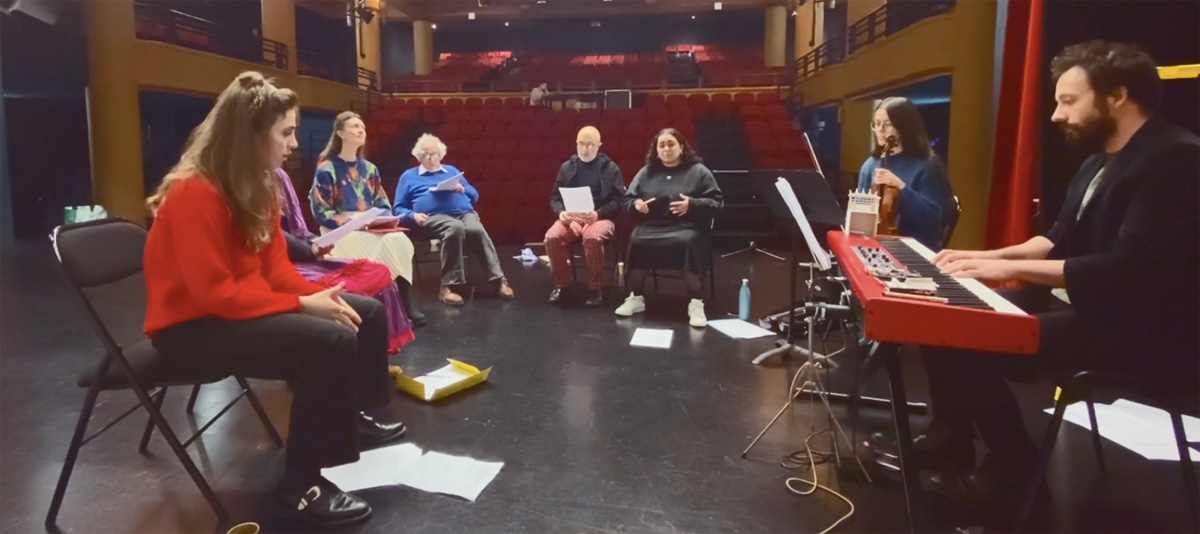
As with any theatrical project, we went through several stages of development, punctuated by work-in-progress showings presented at the end of each residency, offering professionals a glimpse into the evolving piece.
Residency at the Théâtre National Populaire (TNP) of Villeurbanne, October 2023.


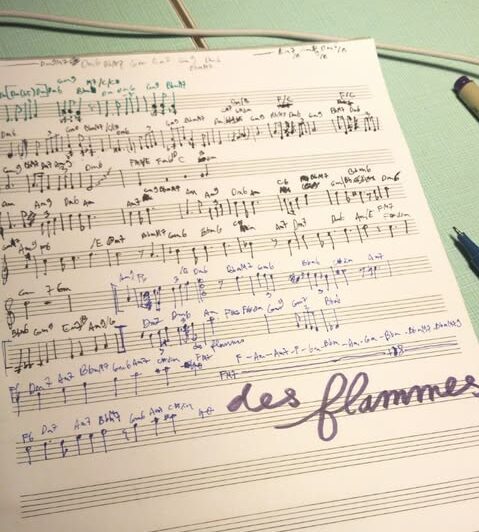
In December 2022, exactly two years before the premiere, I composed Coup de vent.
This lively, swirling 6/8 piece plays with shifts between major and minor tonalities, evoking the sudden changes of light under a stormy sky.
The song became the backbone of the entire musical score: by varying its motifs, re-harmonising them, distorting them, I wove melodic echoes throughout the piece, building a subterranean memory that ties together different moments of the story.
Once the casting was finalised, I studied each performer’s voice and vocal range in detail.
This careful work allowed me to compose vocal lines tailored to each actor, respecting their natural tessitura and expressive potential.
When Léa Bingöllü joined the cast, I also wrote violin parts specifically for her, seamlessly integrated into the musical dramaturgy.
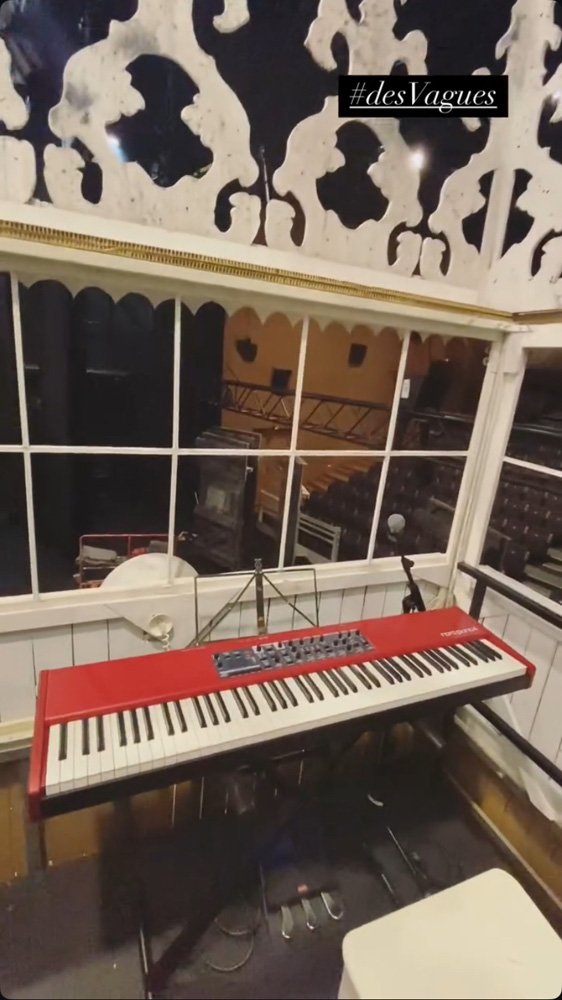
The performance is entirely live: no pre-recorded music is used.
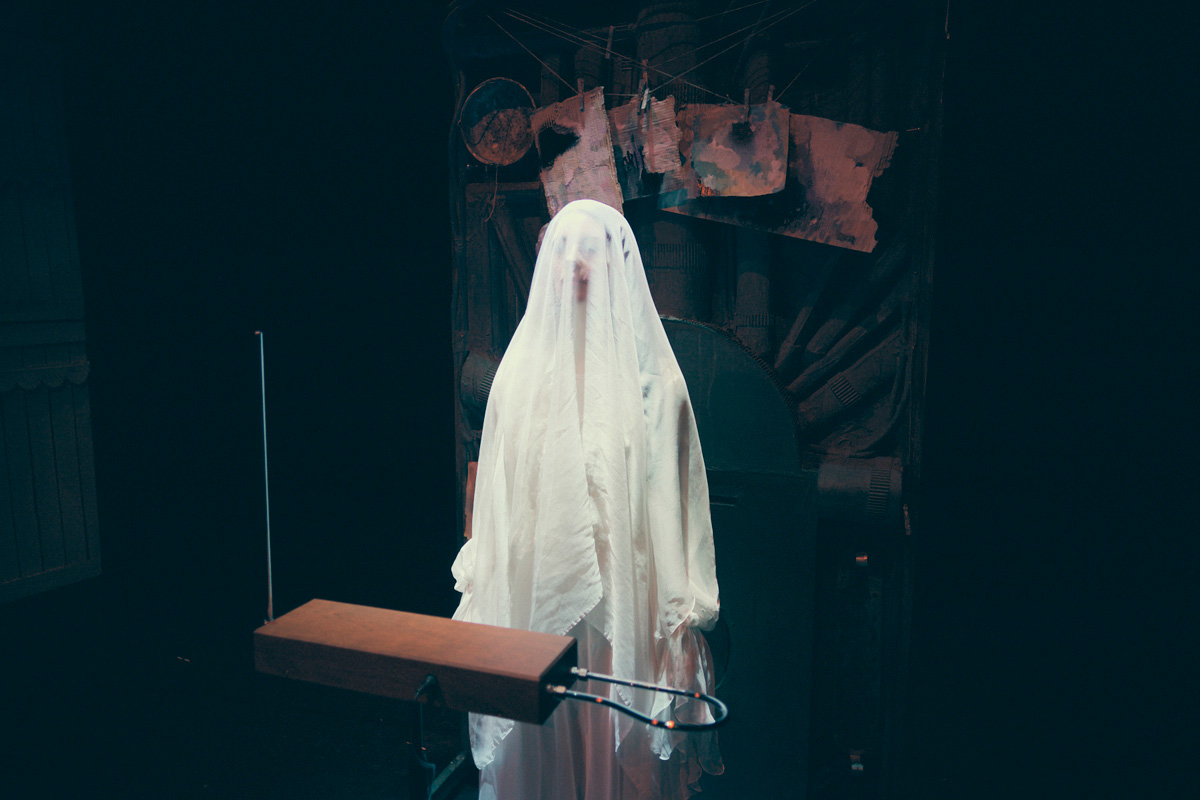
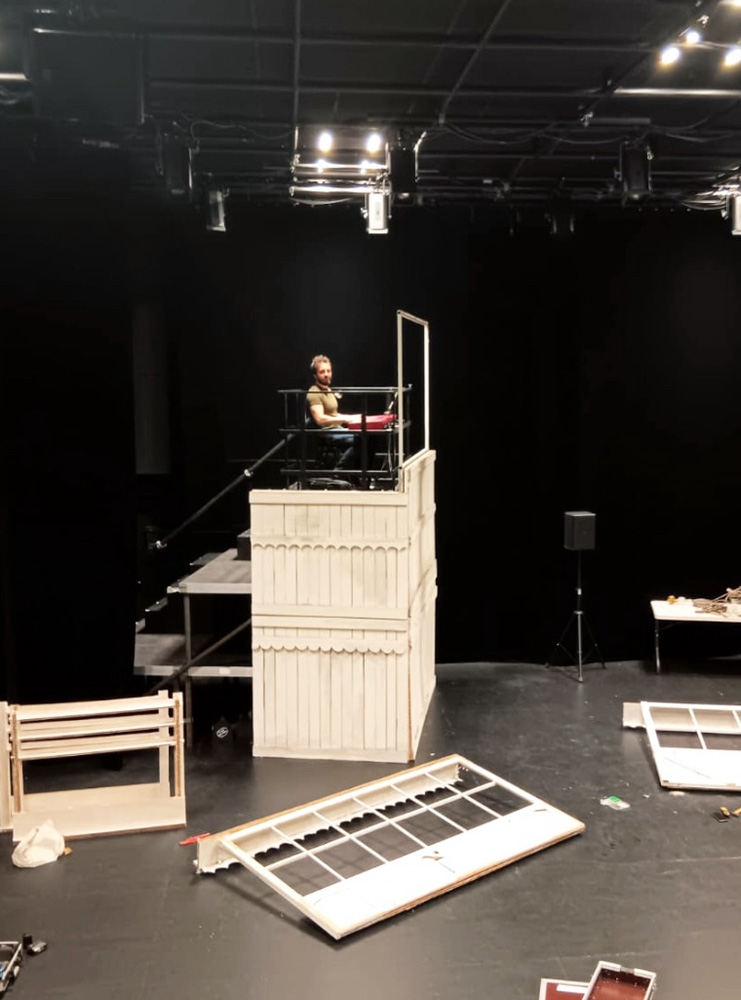
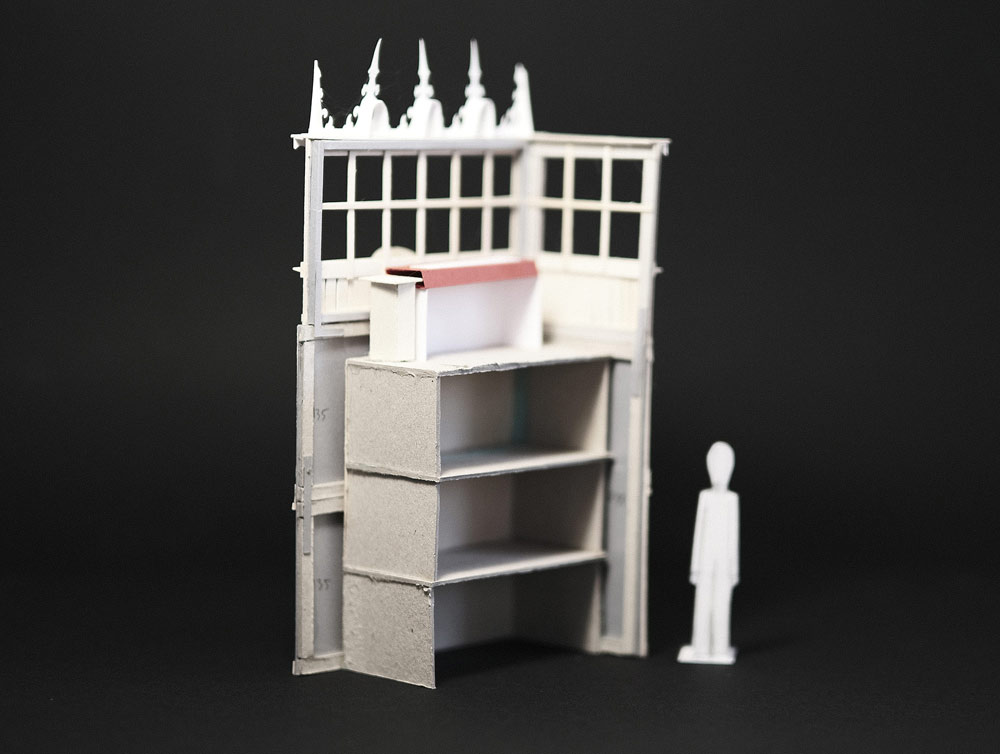
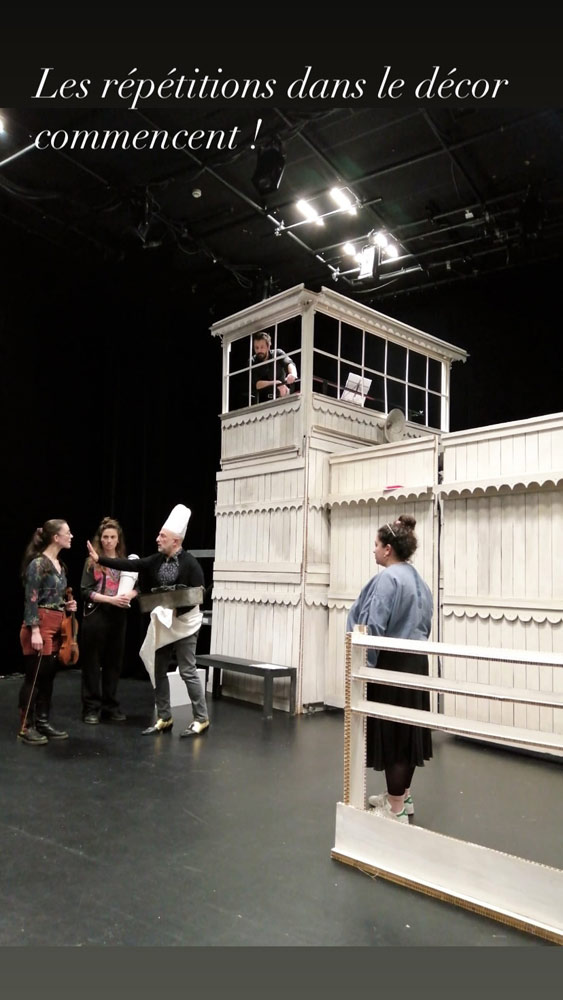
The musical foundation is mainly provided by the piano, which I play onstage from inside the Captain’s cabin.
Each actor is equipped with an invisible wireless microphone, carefully set up by sound technician Louise Blancardi, ensuring a delicate balance between sung and spoken parts.
J’ai écrit mes partitions en préservant une part d’improvisation (typiquement j’ai ma mélodie et la grille harmonique, le reste des arrangements piano est moins strictement défini). Cette démarche contribue à la magie du spectacle vivant, chaque performance est unique. Elle permet également une liberté, une souplesse d’interprétation pour m’adapter au rythme et variations du jeu des comédiens. Et enfin la présence constante d’imprévus et d’expérimentations m’oblige à être encore plus concentré dans l’instant présent, ce qui renforce le plaisir de jeu.
I wrote the musical scores while intentionally preserving a degree of improvisation:
typically, the main melody and harmonic framework are defined, but the piano arrangements remain flexible and open.
This approach enhances the magic of live performance: each show is unique, breathing with the actors’ rhythms and allowing for the happy accidents of the stage.
The music lives alongside the performers, maintaining a constant tension between structure and freedom.
The greatest challenge was the composition of La Chanson du Chœur des femmes oubliées:
a fully sung scene of around ten minutes, where a women’s choir embodies a space of collective memory.
At each stage of the tour, we work in advance with a different local group of women, firmly rooting the show in the region where it is performed.
For the premiere at the Polaris in Corbas, we were fortunate to collaborate with the choir conductor Émilie Plaza, resulting in an intense and moving musical and human exchange.
Scenography
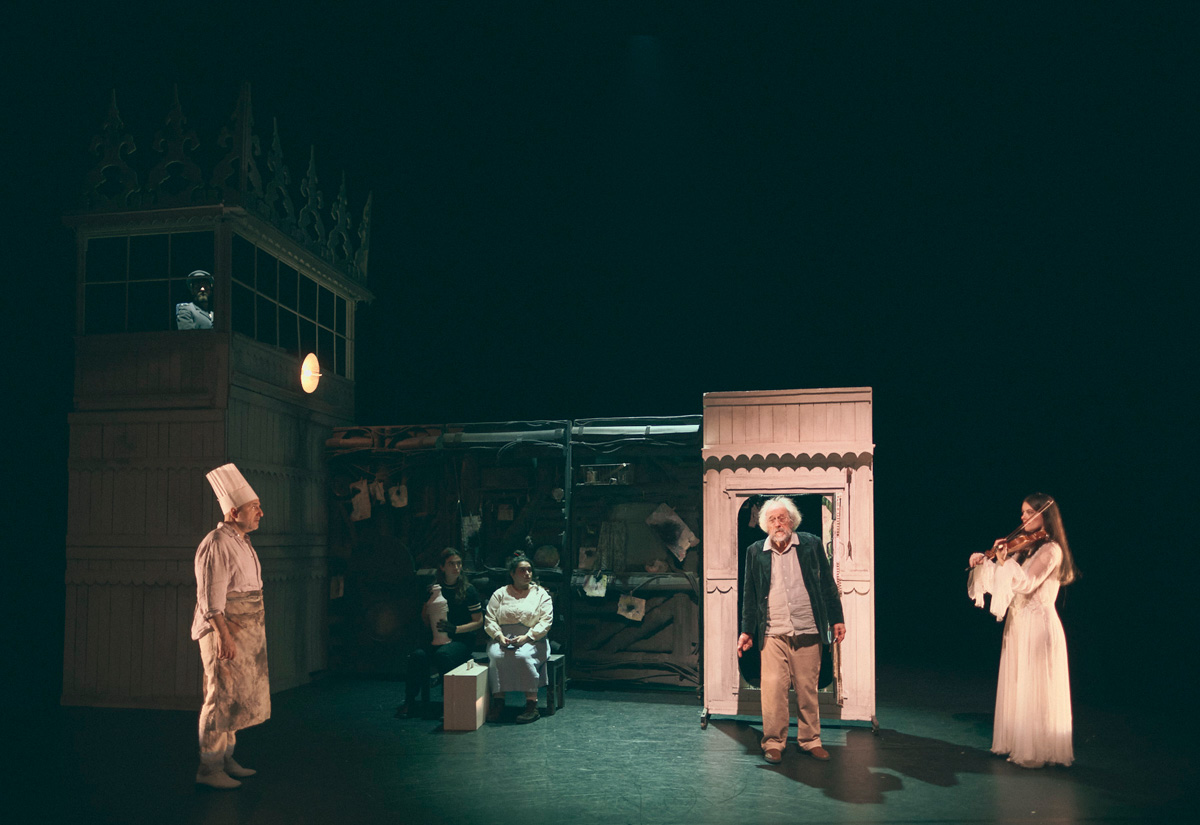
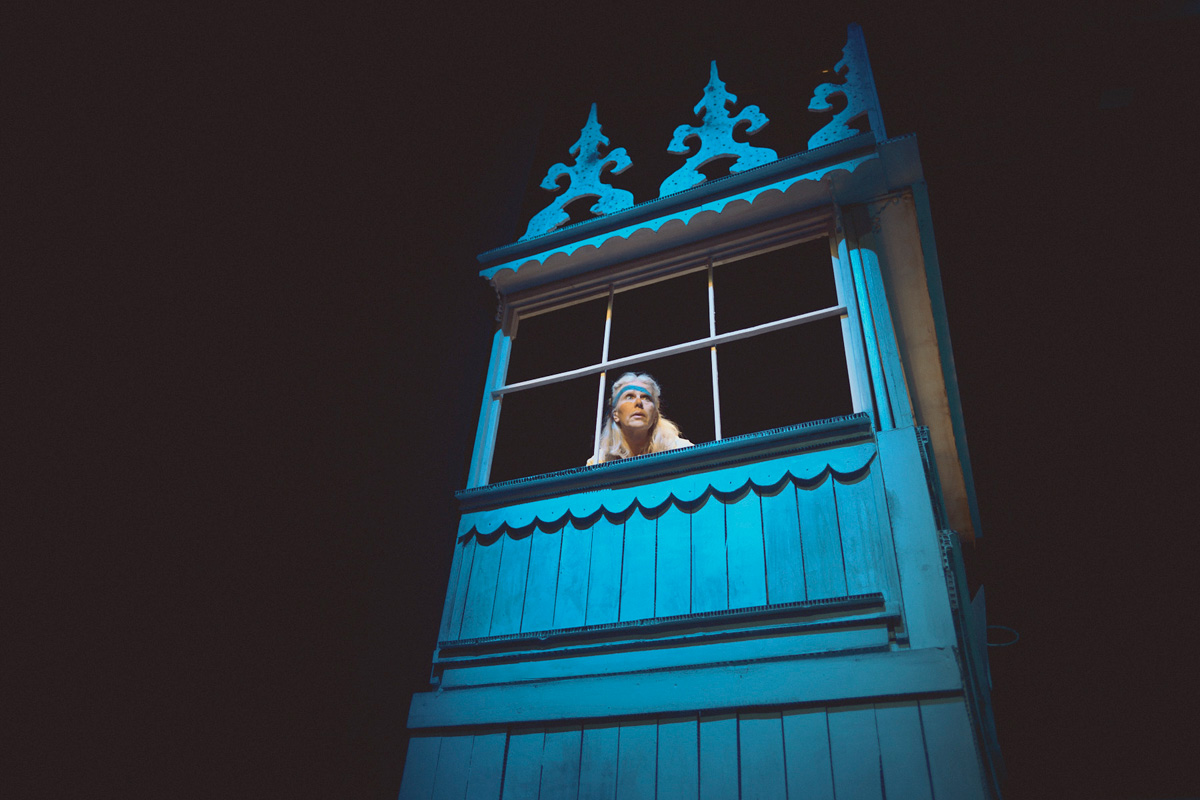
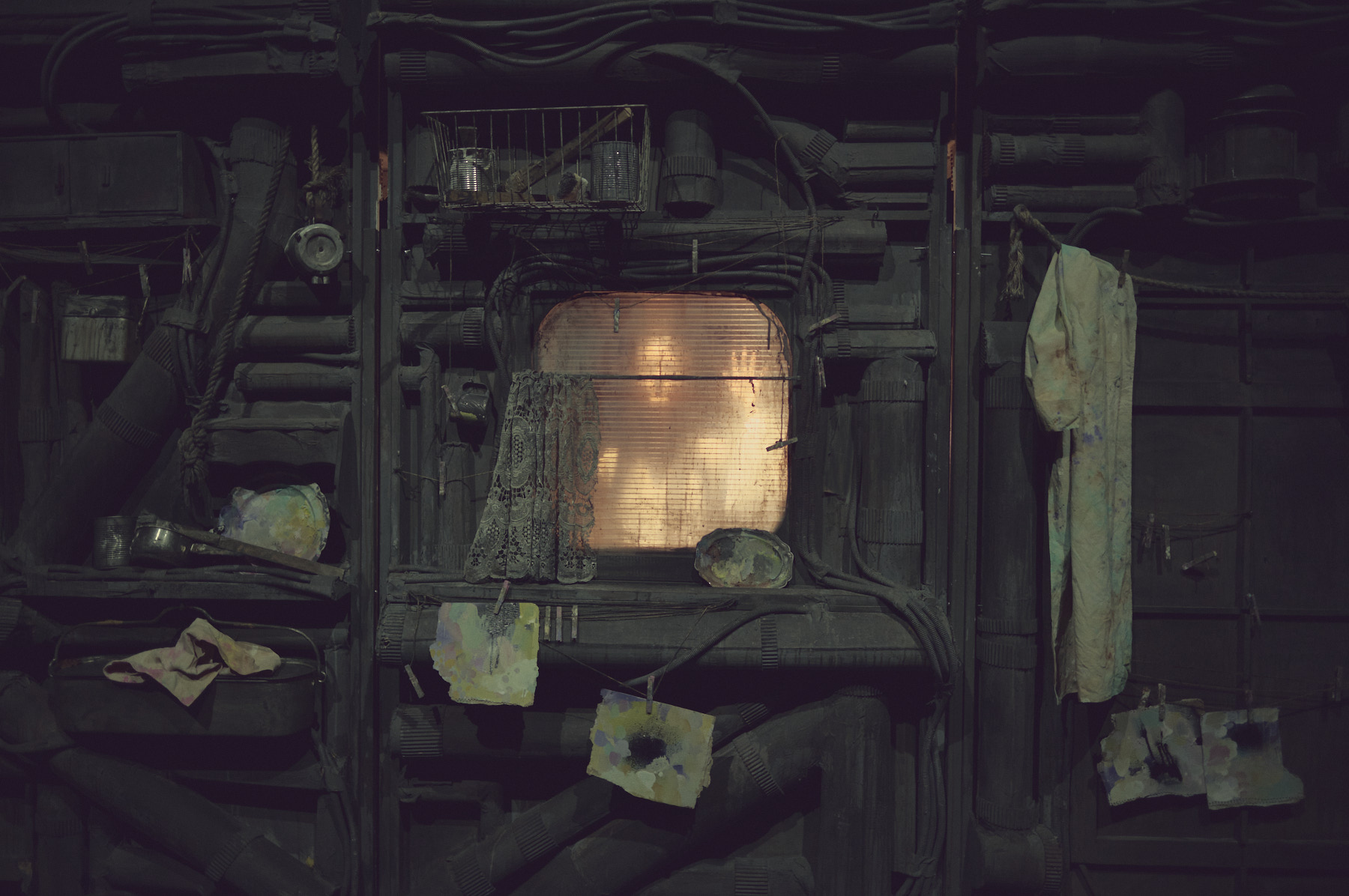
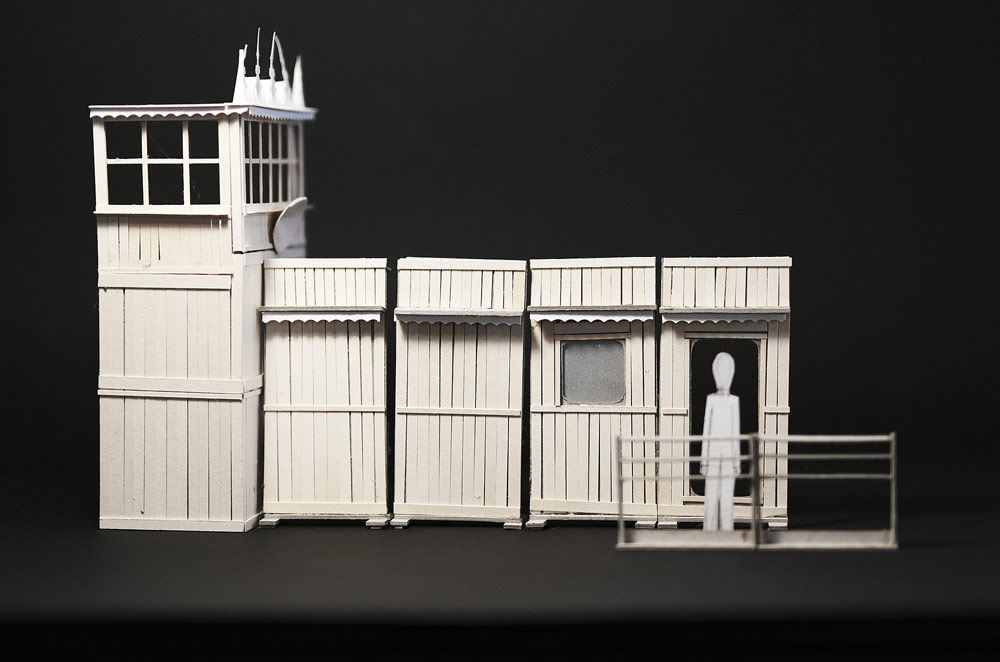
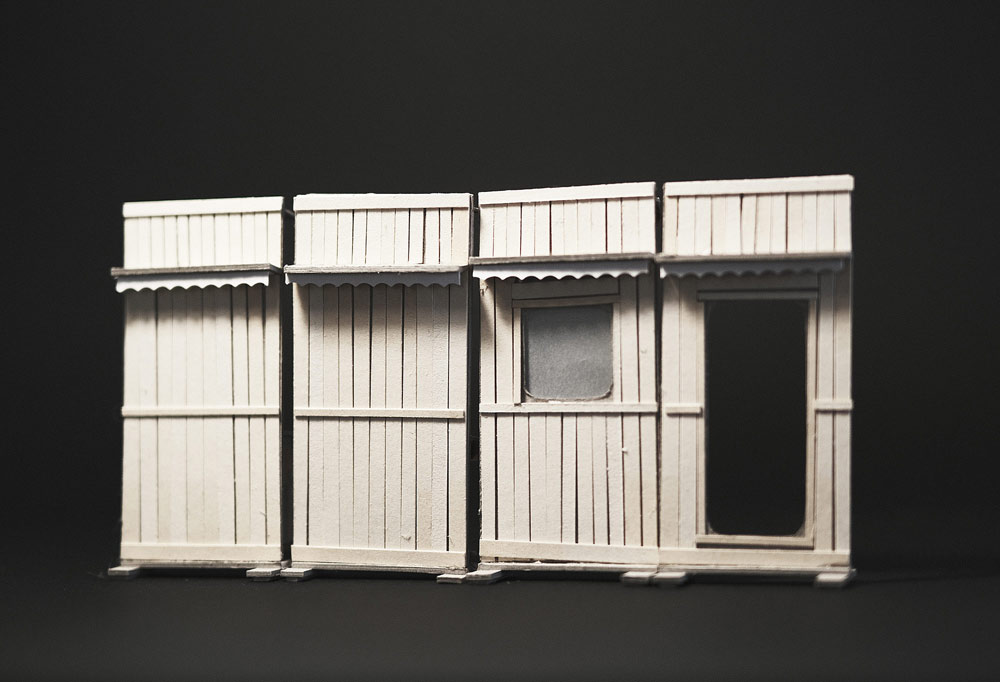
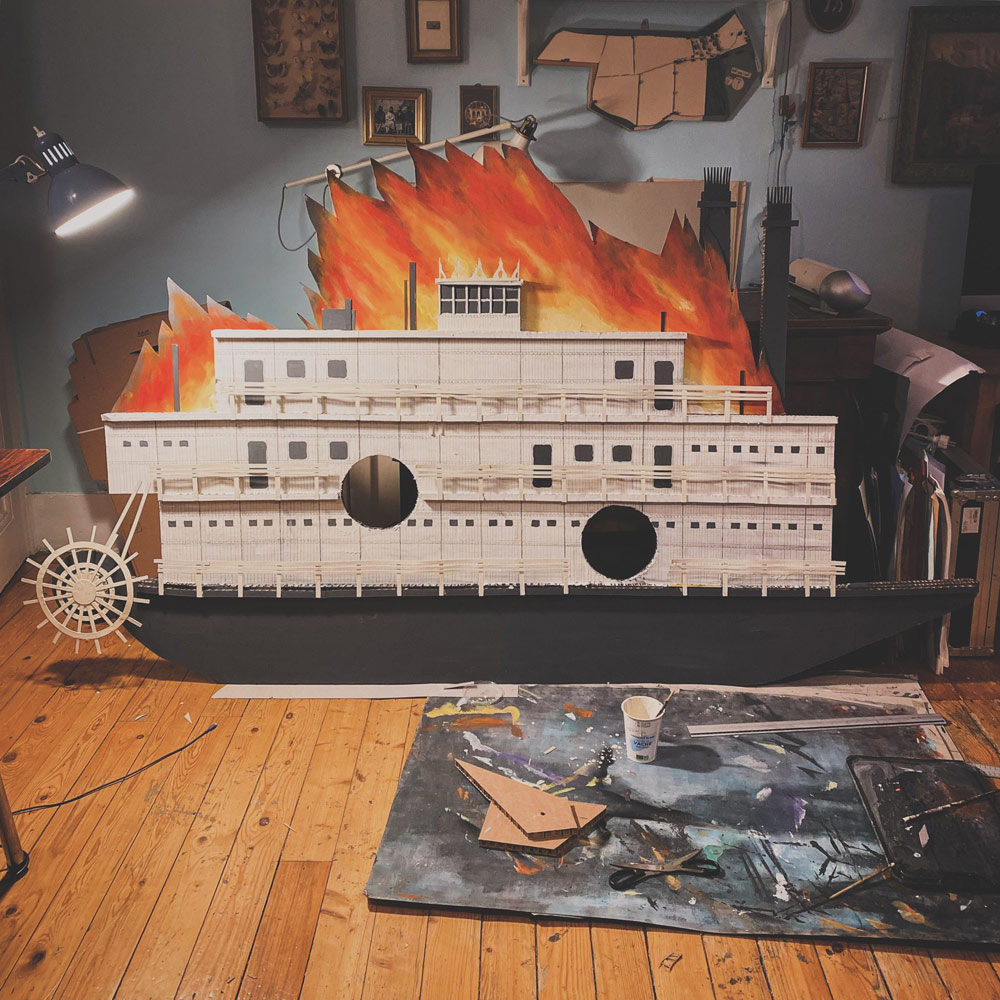
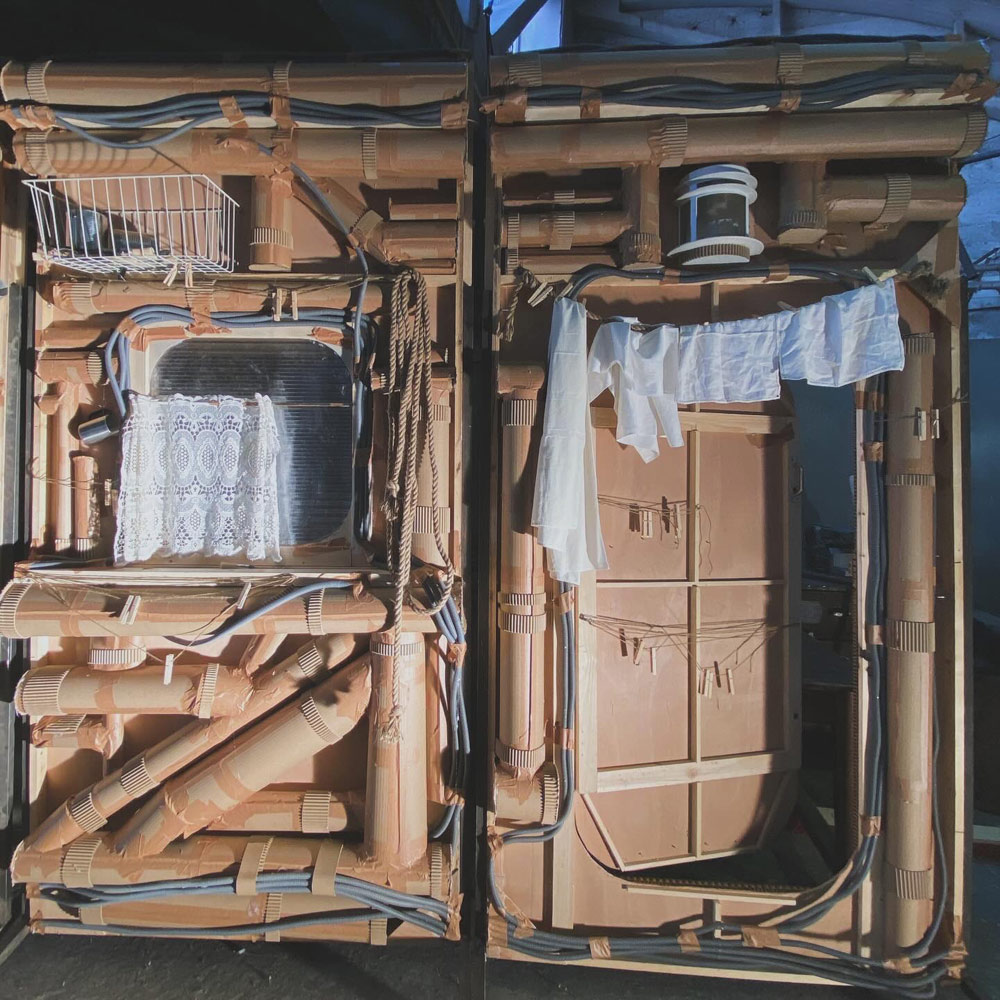
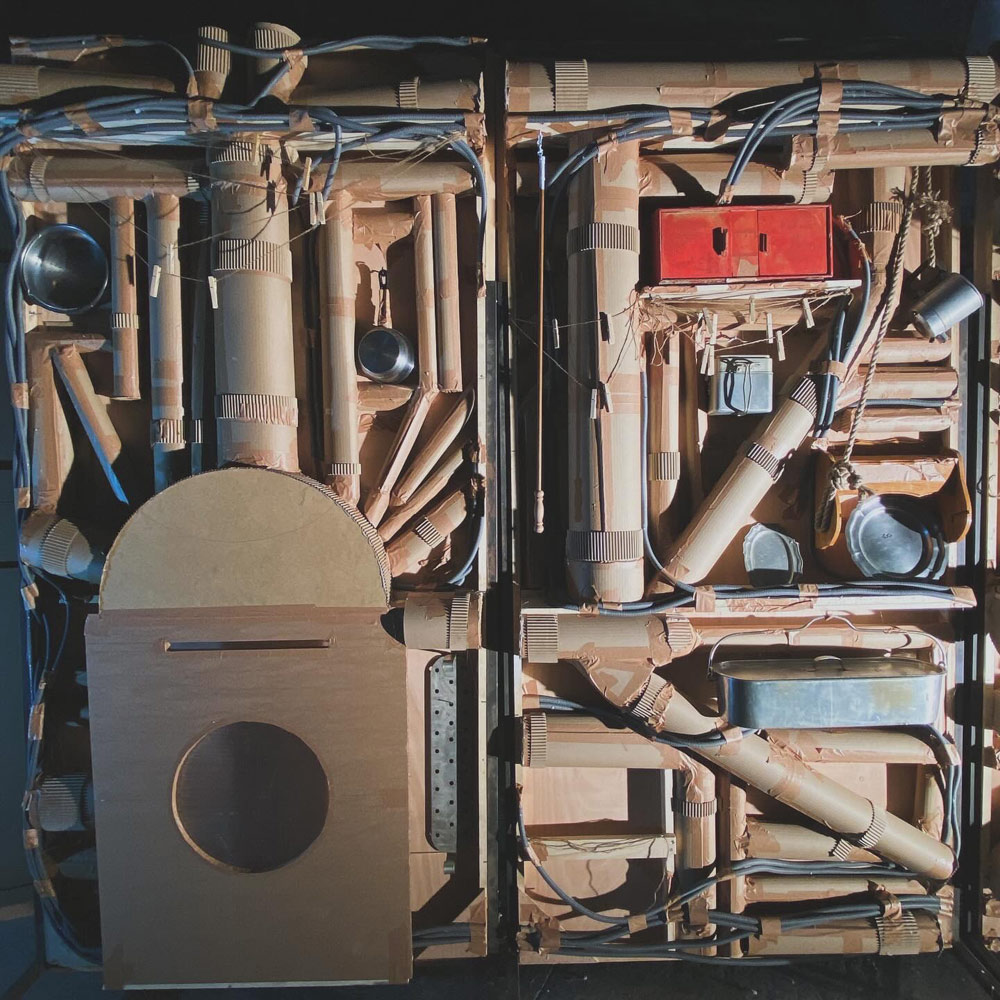
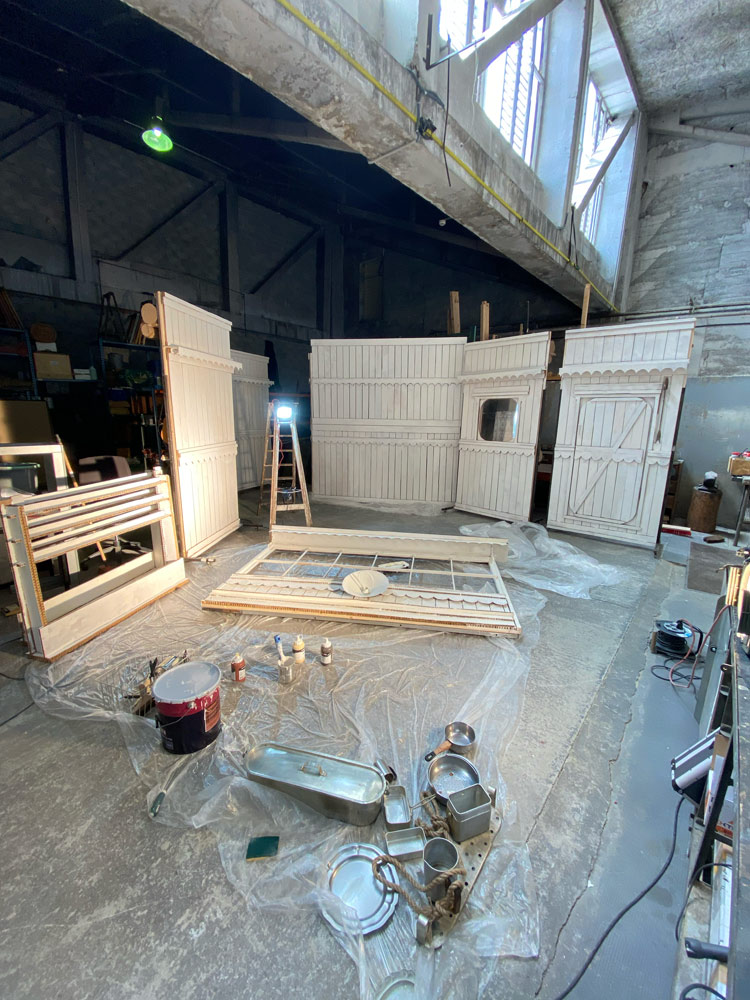
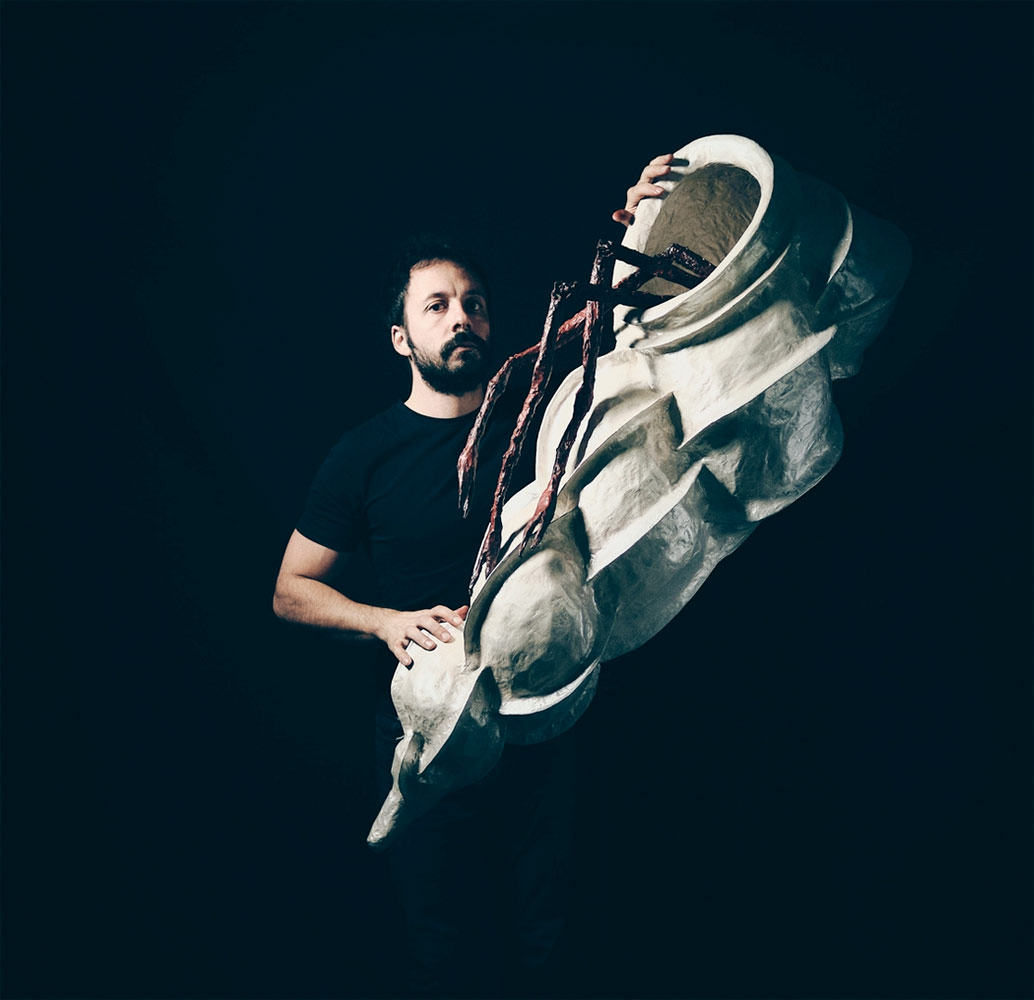
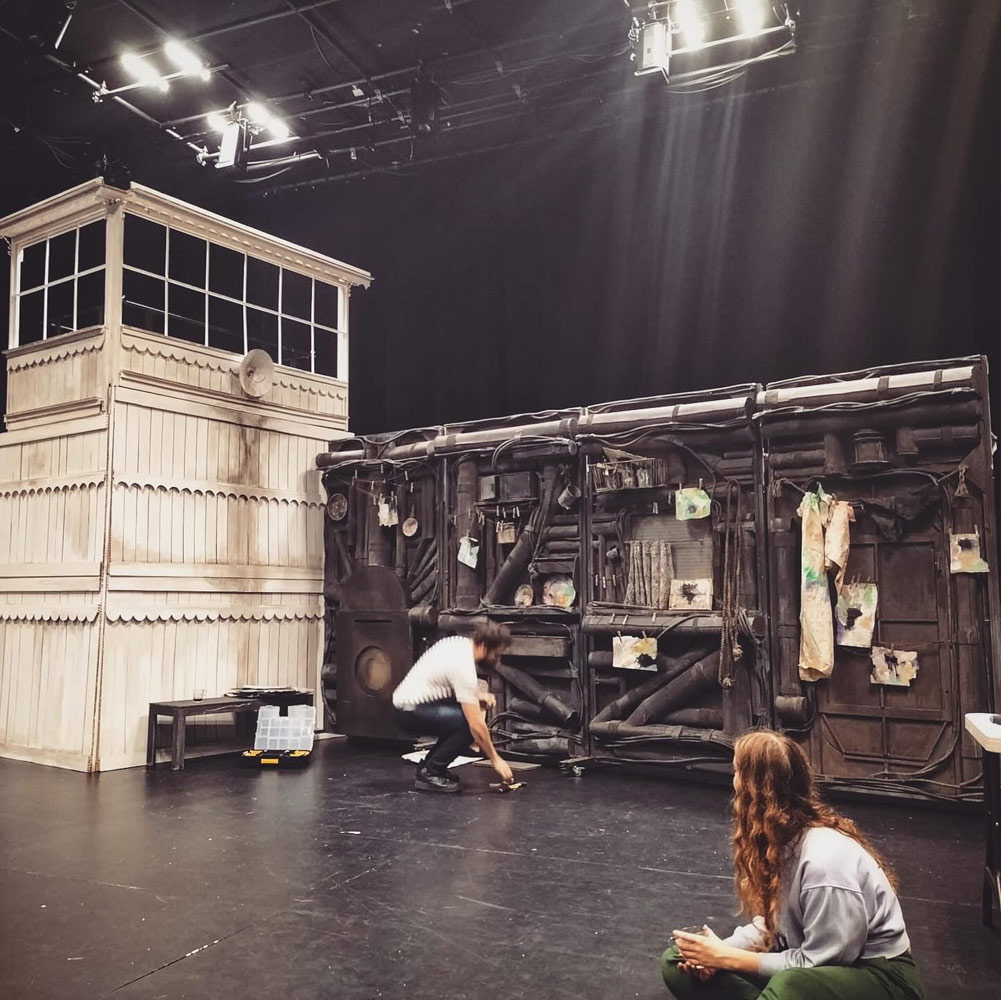
Alongside the work on dramaturgy and musical composition, I also designed and created the scenography for Des vagues.
For me, scenography is not merely about building sets.
It is a form of writing in itself: a spatial language that accompanies and reveals the story, its tensions, and its emotions.
The aim is never to simply “decorate” the stage, but to turn the scenery into a silent actor of the narrative.
Every volume, every material, every movement of the set plays an active role in the drama, the perspective, the rhythm, and the overall atmosphere of the piece.
As I explain in more detail in my dedicated video, everything begins with an emotion.
While reading the text, while listening to the emerging music, I seek to feel, to imagine:
What kind of space can embody this emotion? What material will best convey this inner story?
I do not build a structure: I build a sensation, a shared memory.
Scenic Creation Process
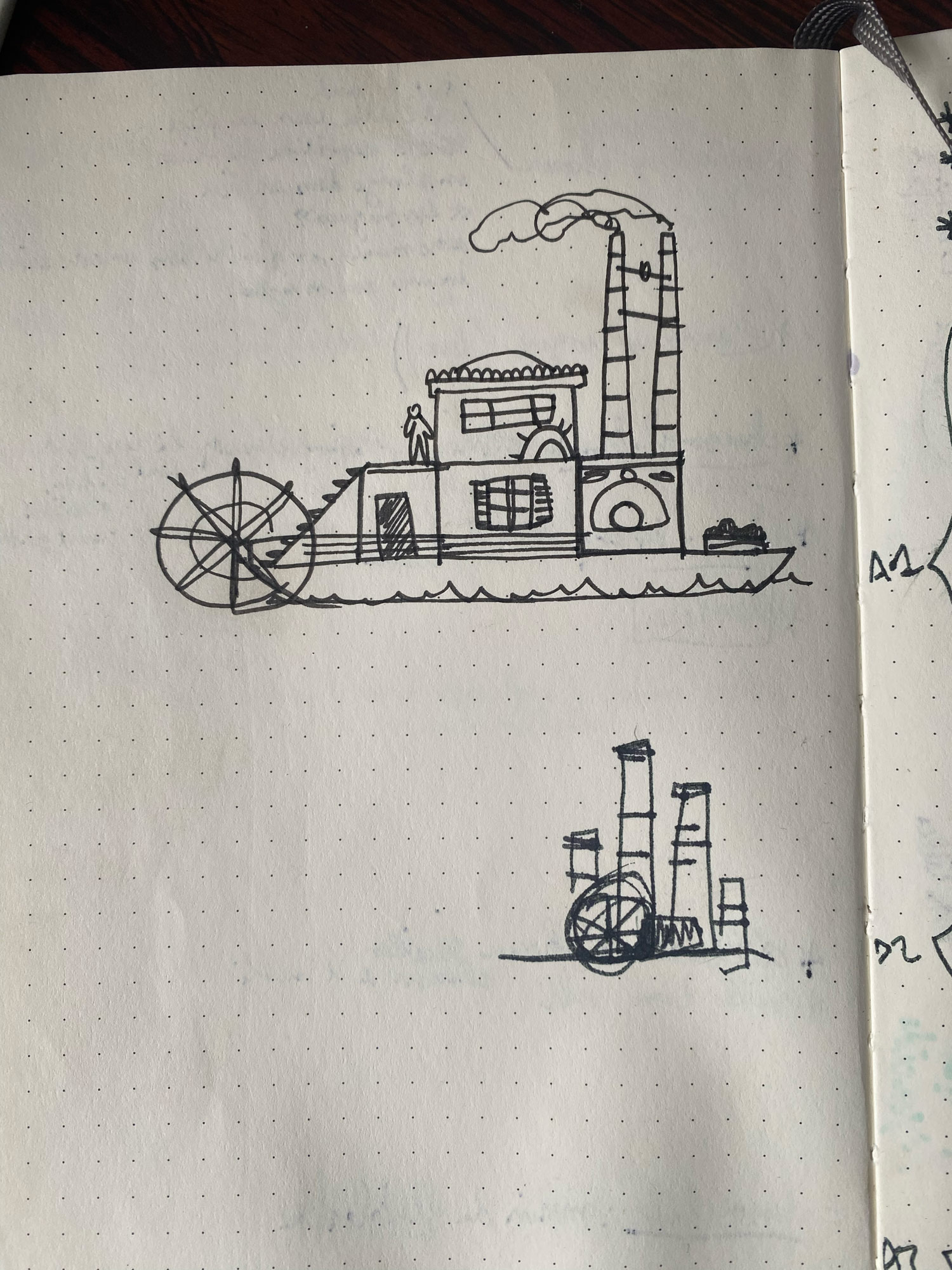
1. Research and inspiration
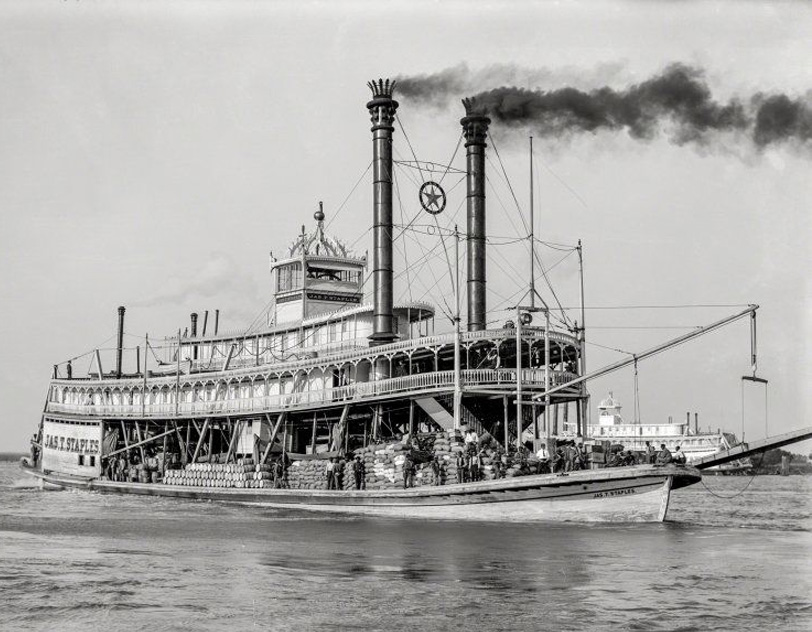
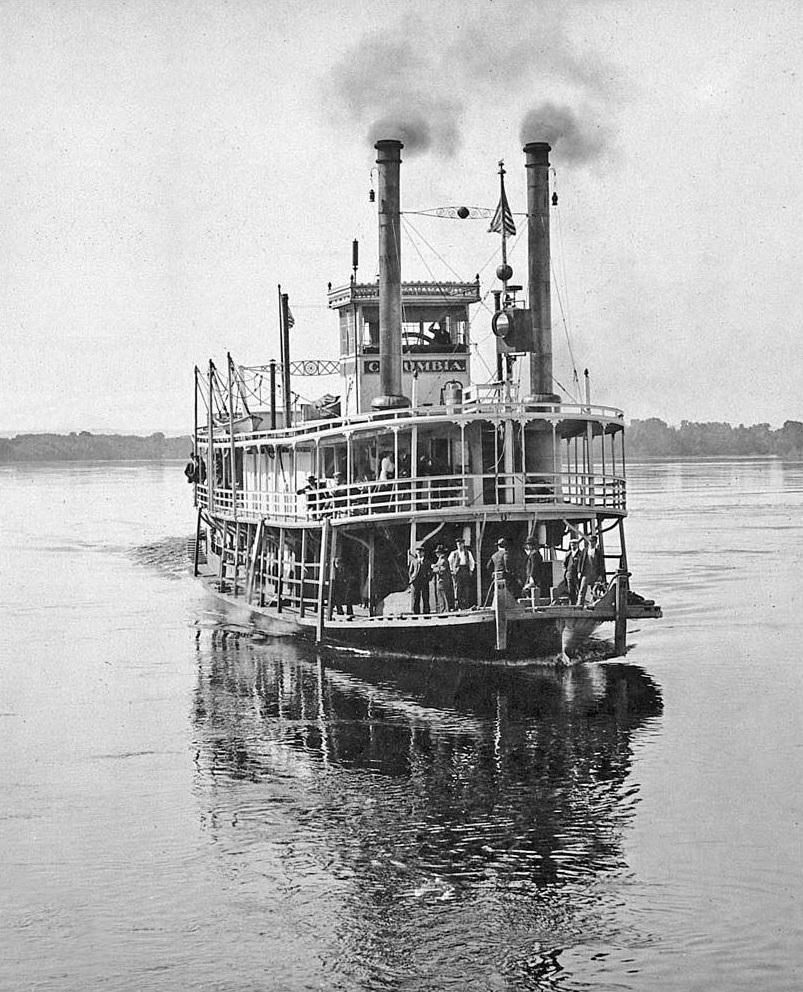
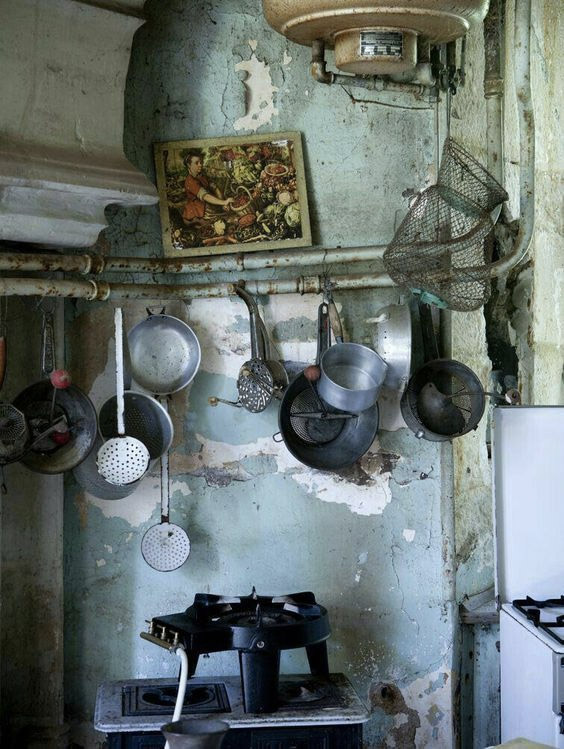
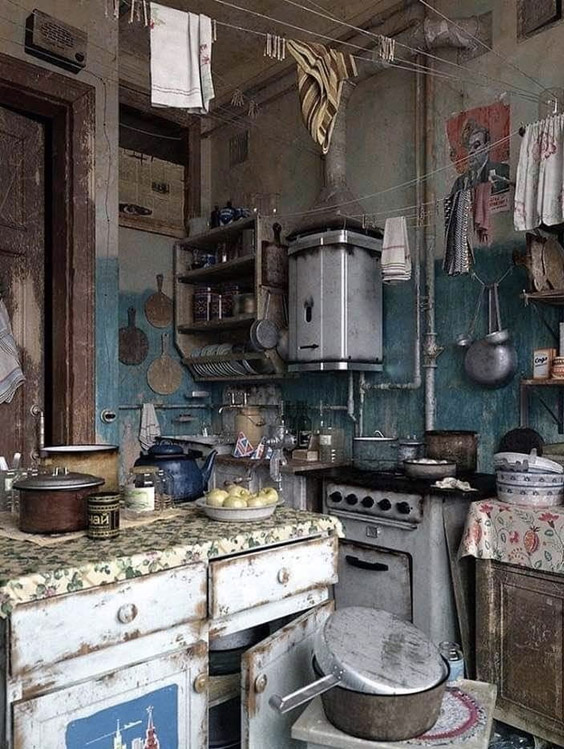
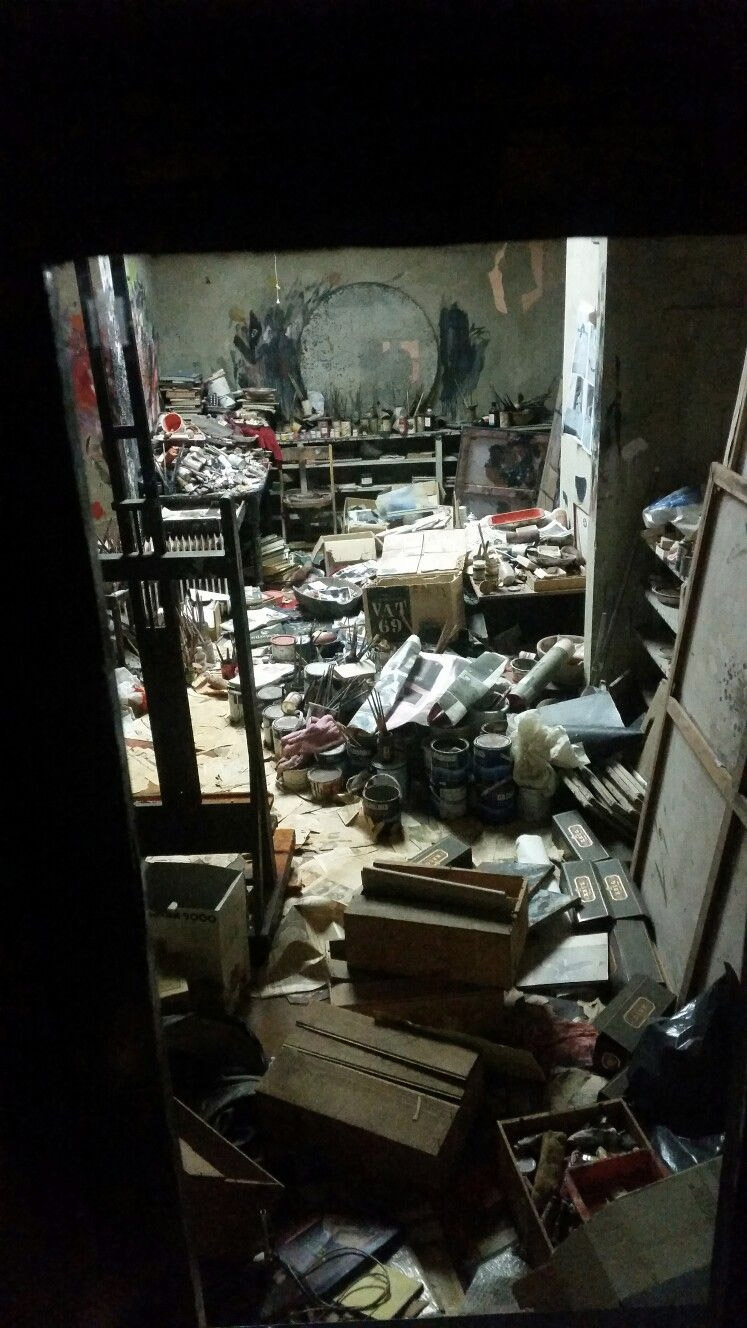
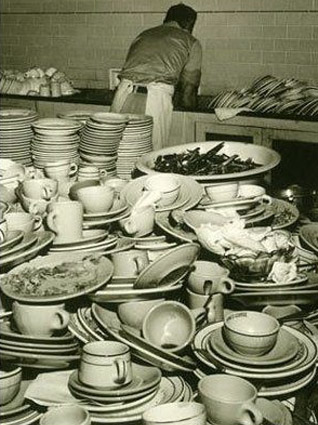
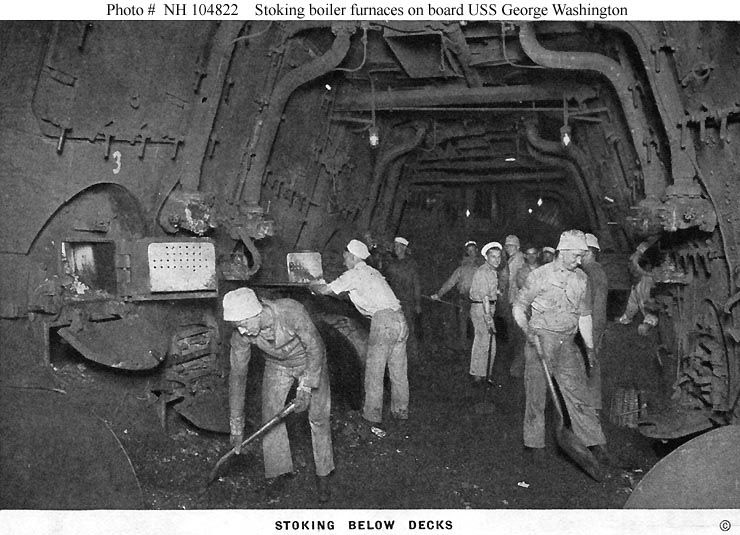
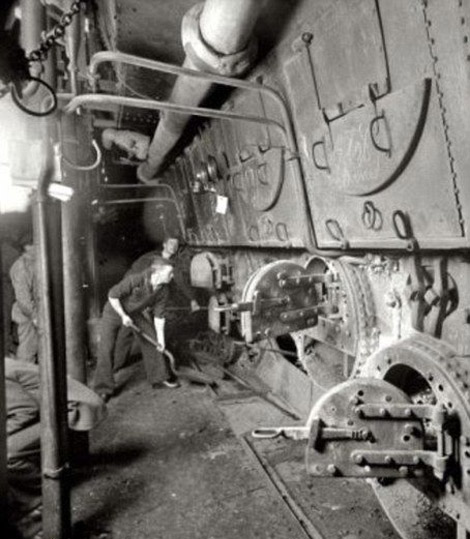
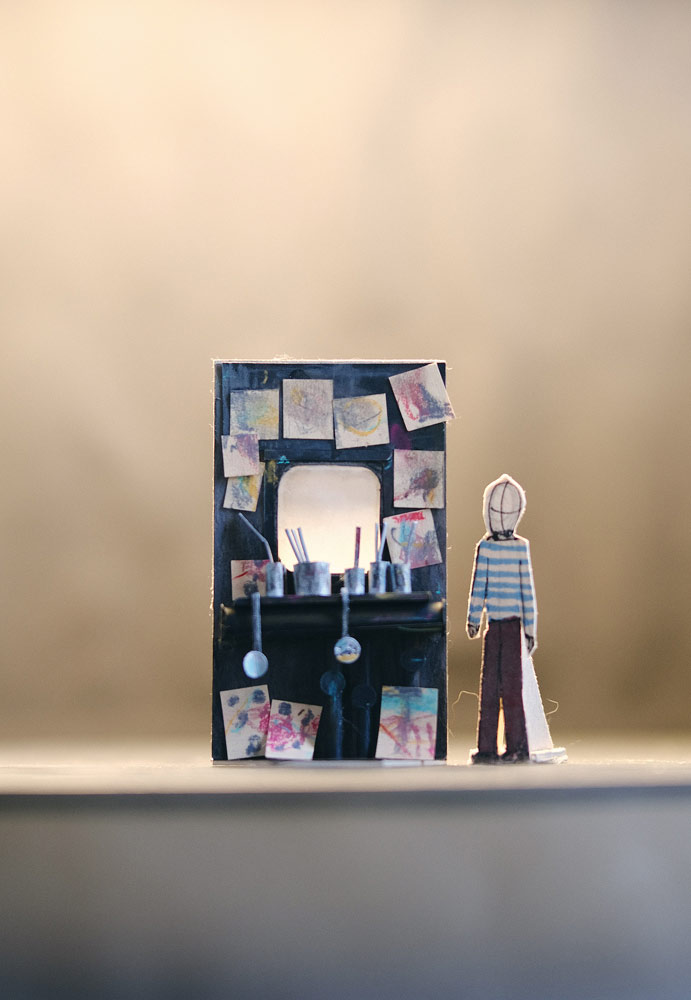
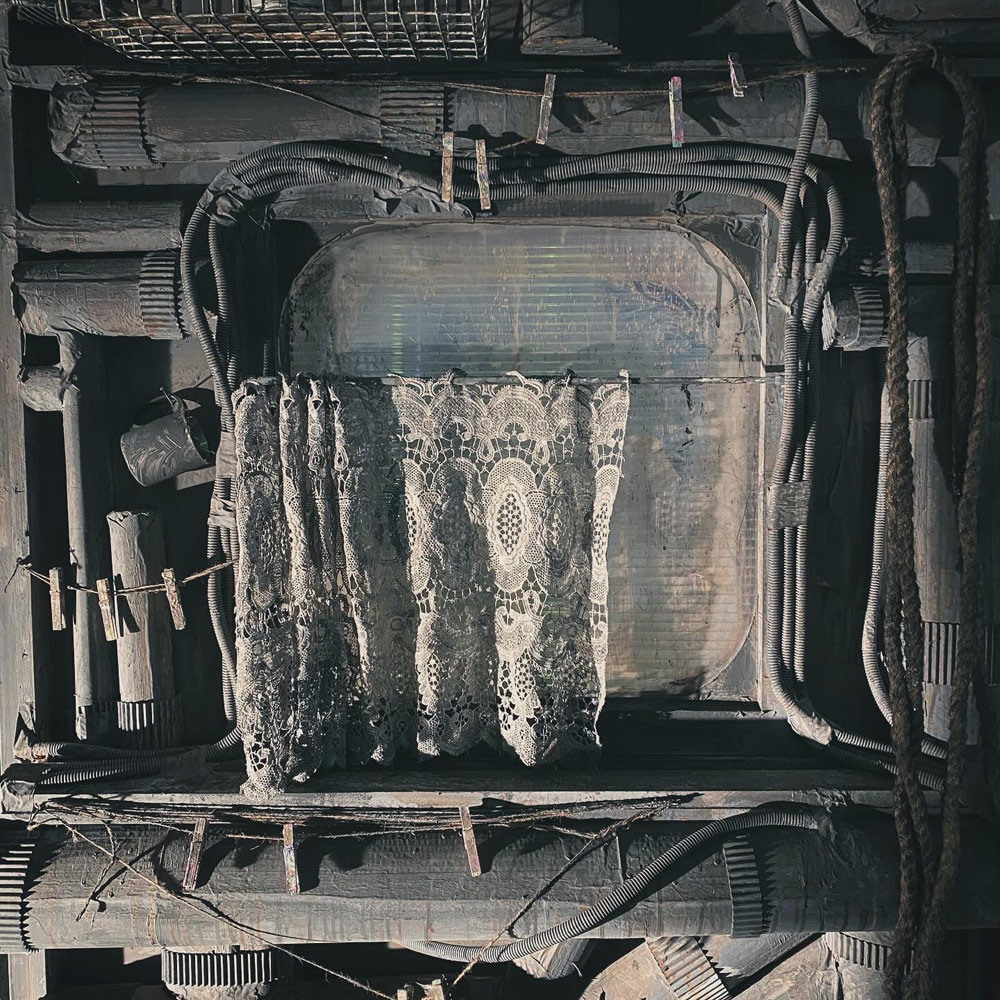
I gather visual moodboards: kitchen spaces, coal bunkers, boats, cabins, blurred memories…
Everything that might nourish the visual imagination of the piece.


2. Text analysis
Each scene is carefully studied to grasp its emotional and narrative stakes.
I identify key moments where the space must evolve, transform, or resonate with the action.
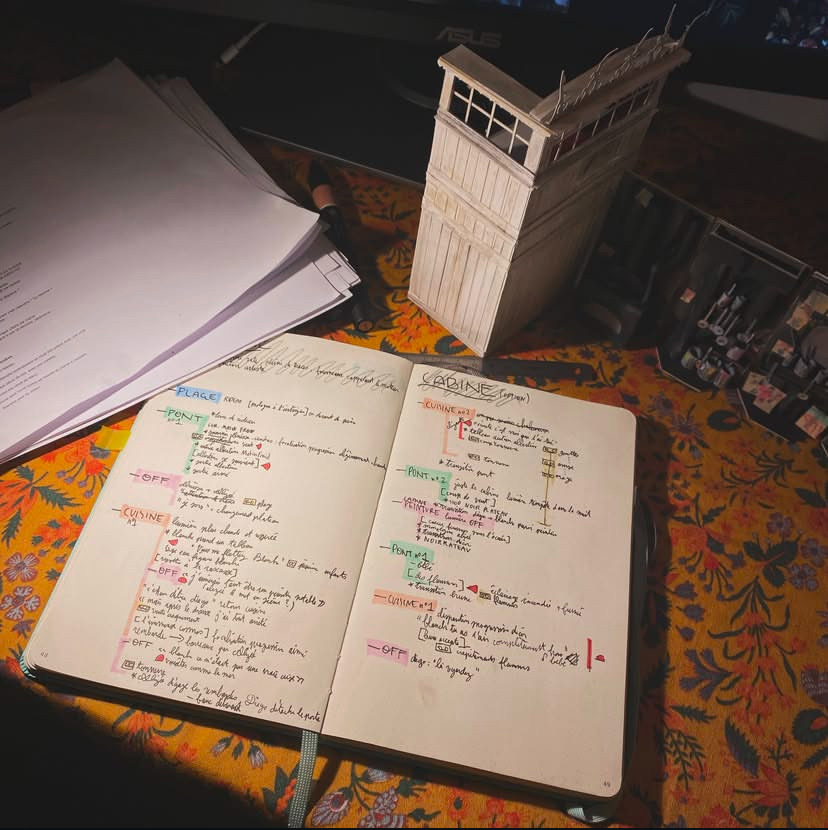
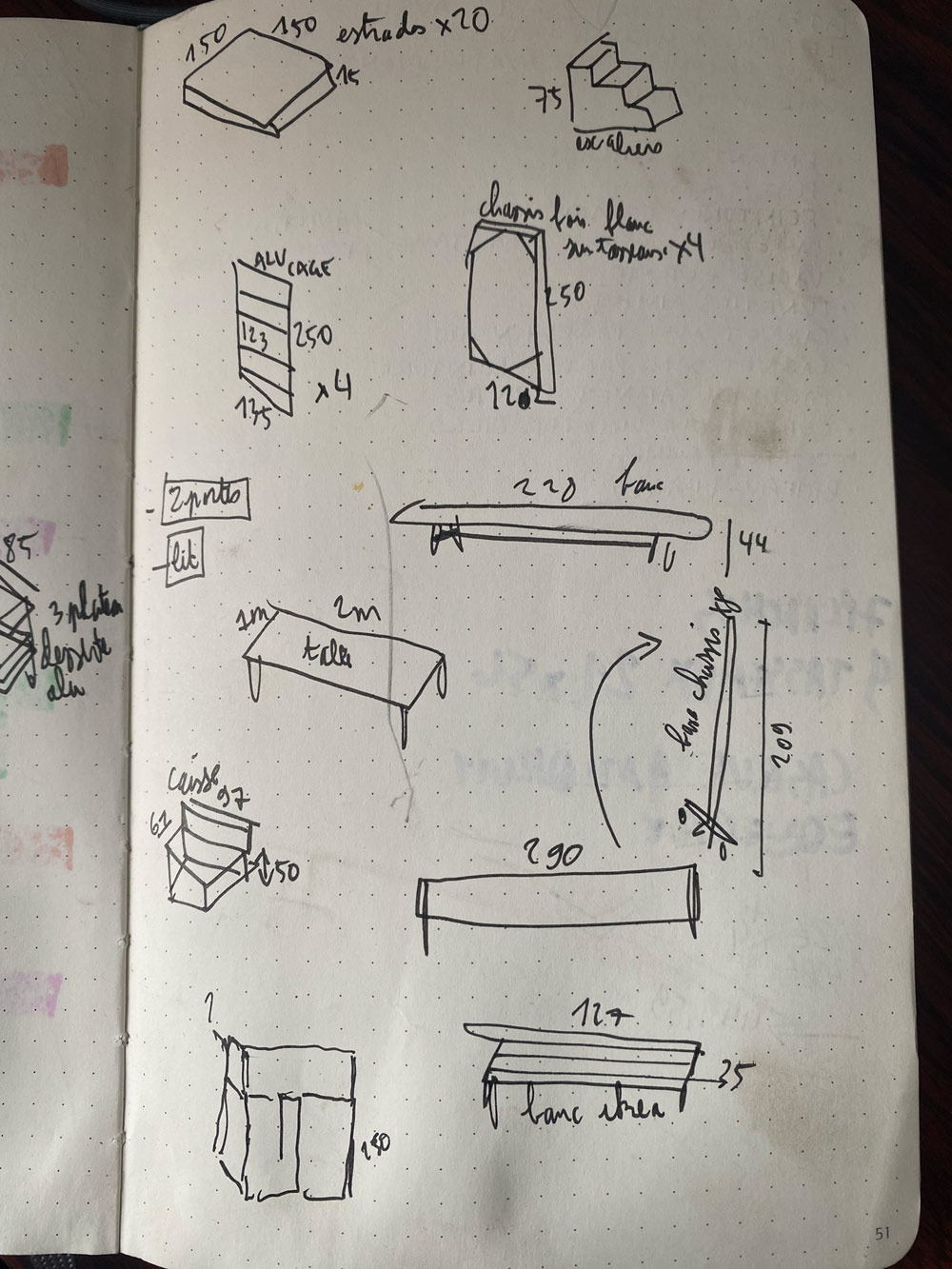
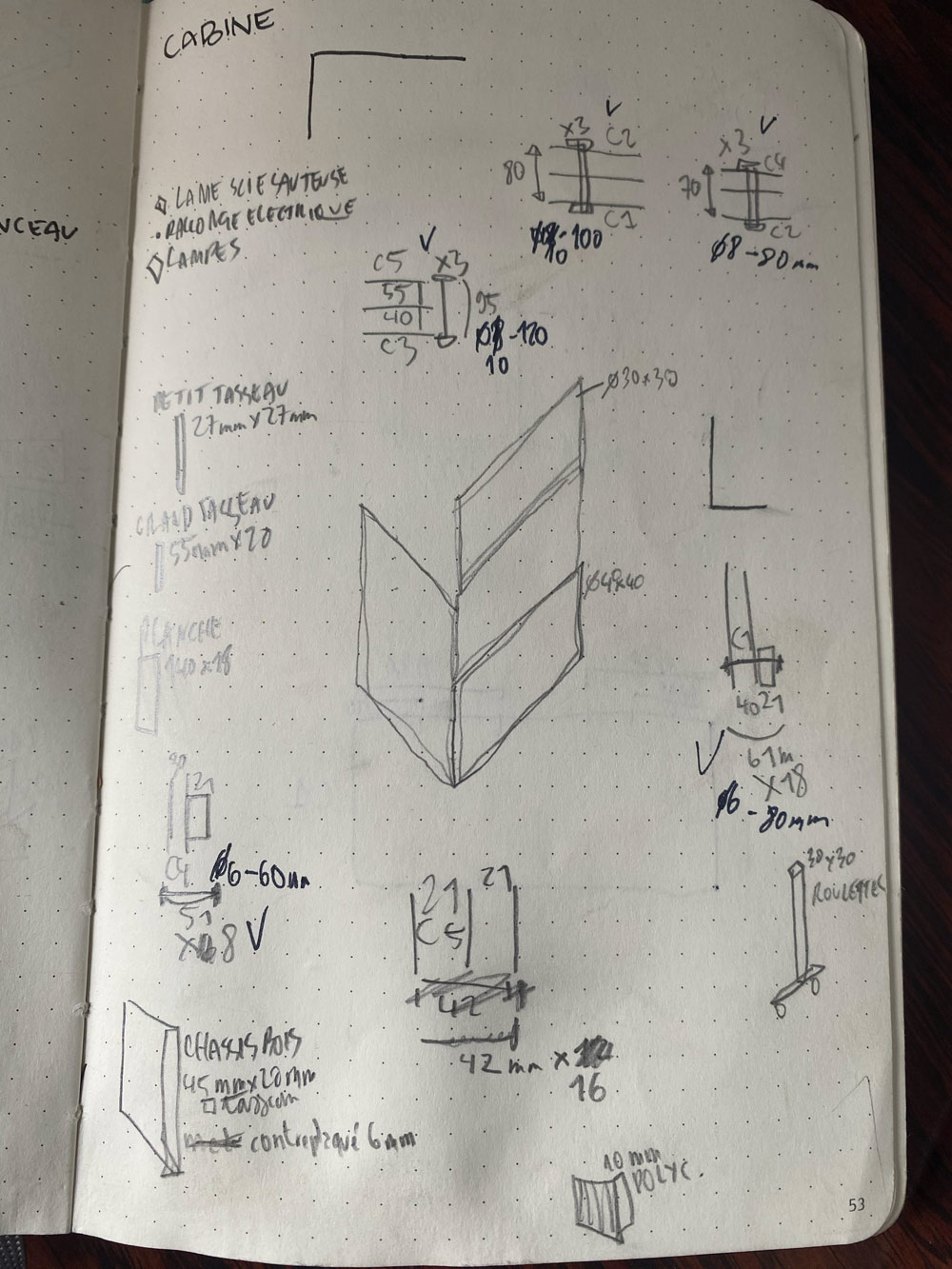
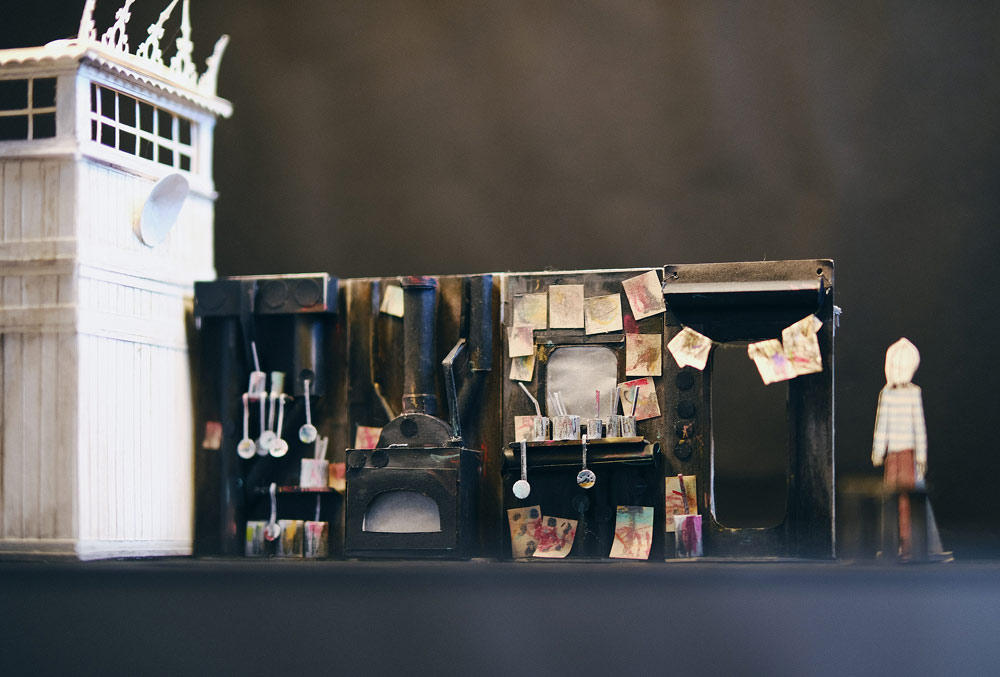
3. Sketches, models, and materials
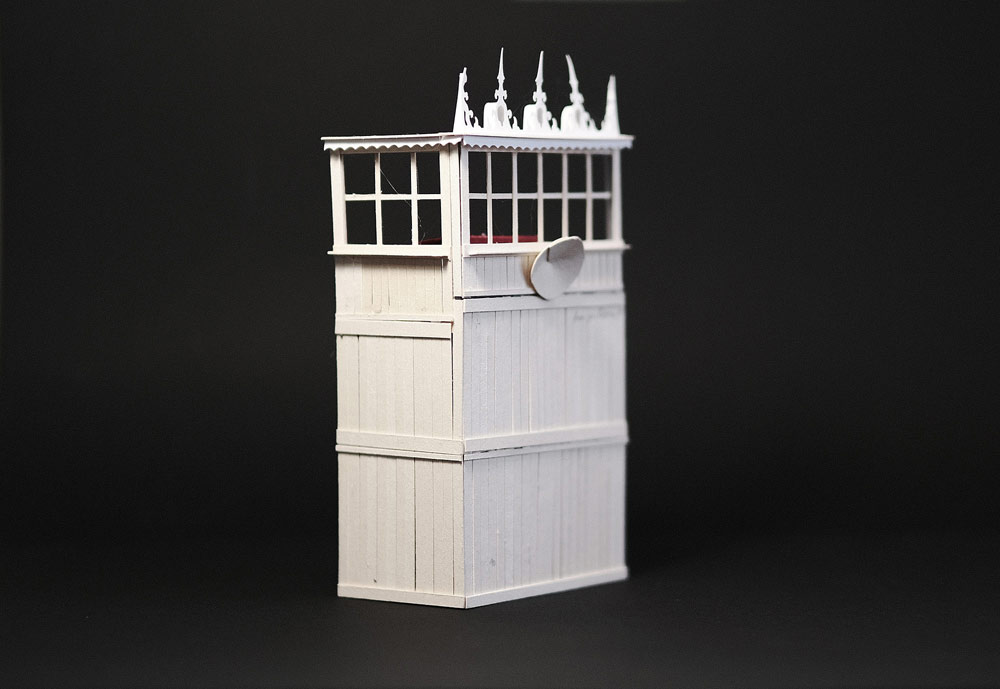
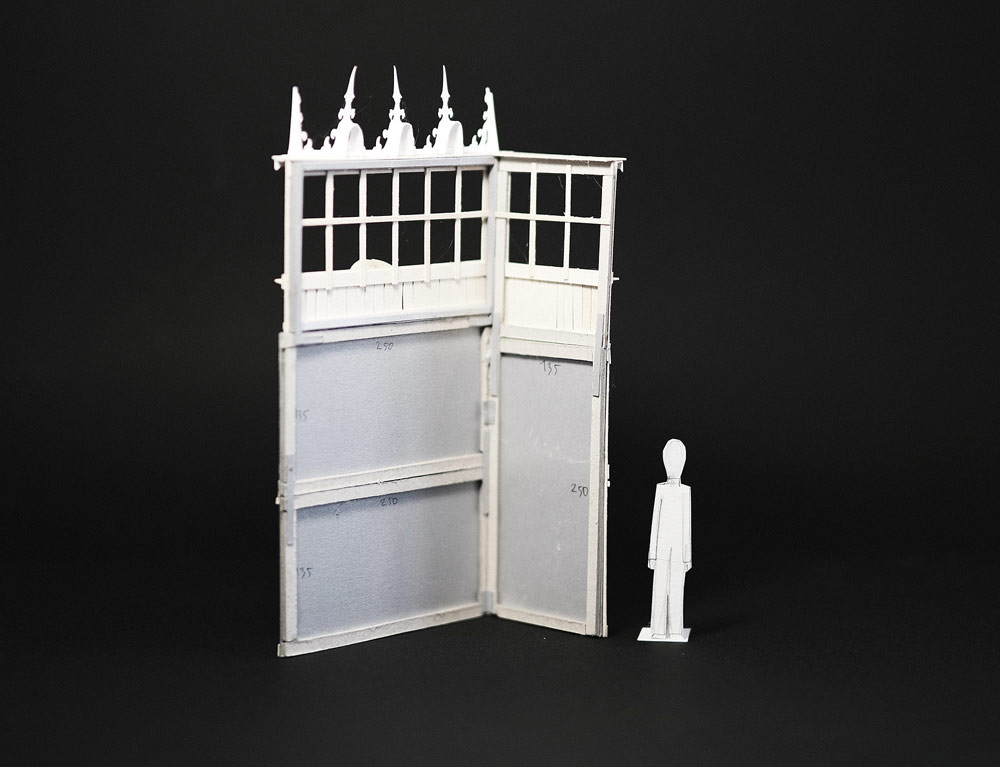
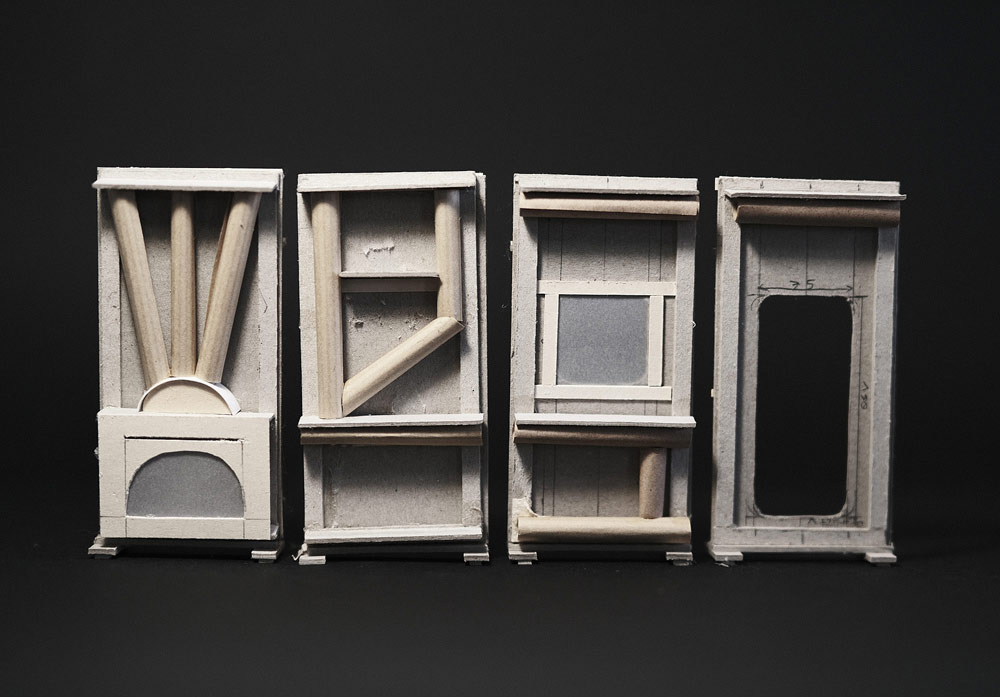
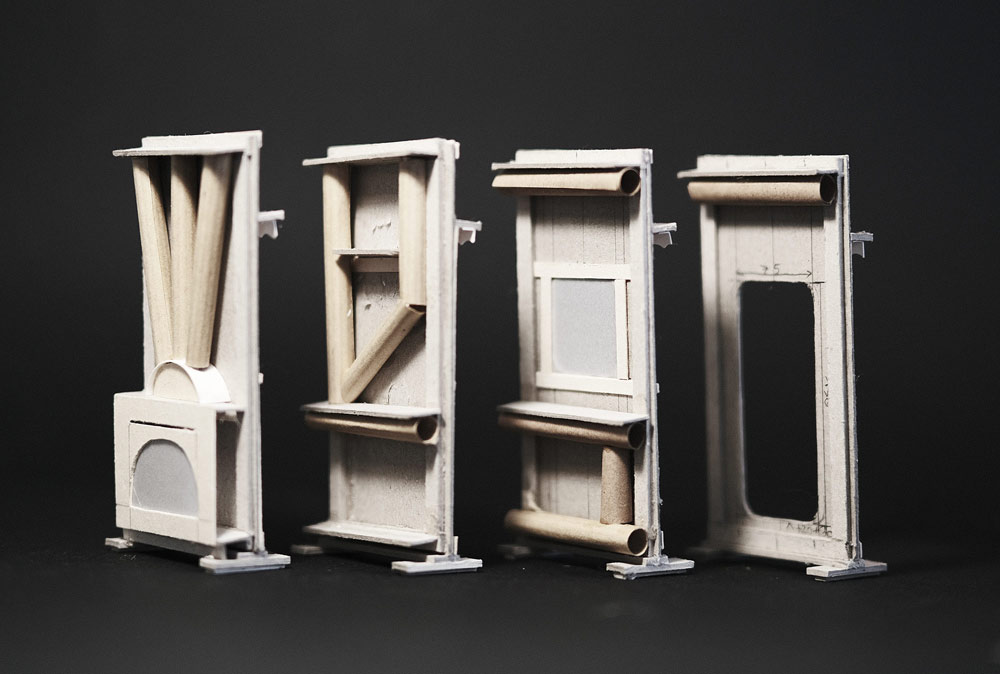
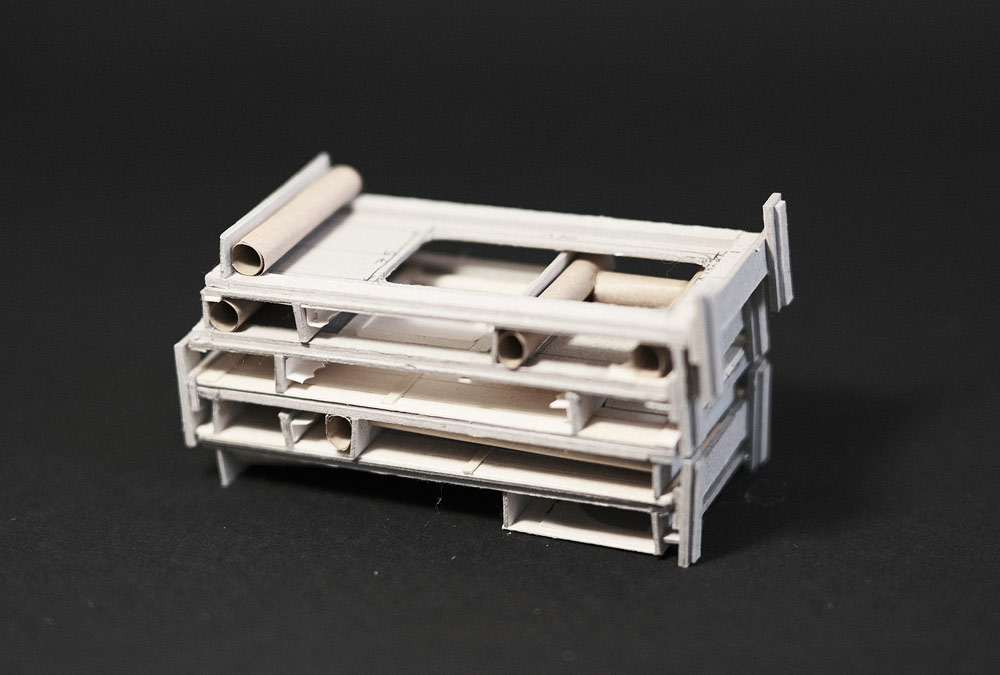
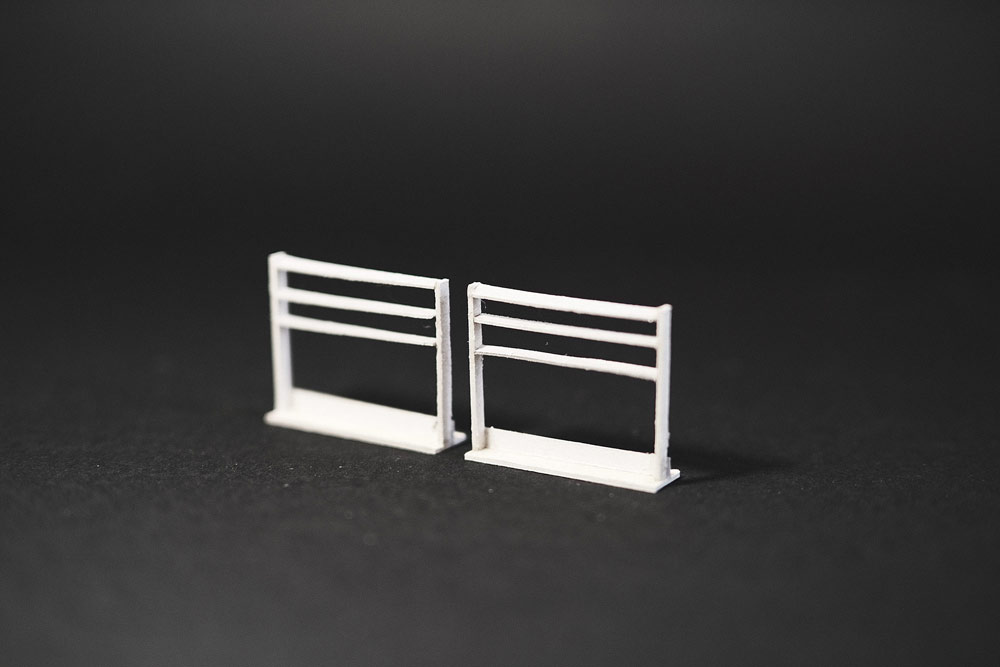
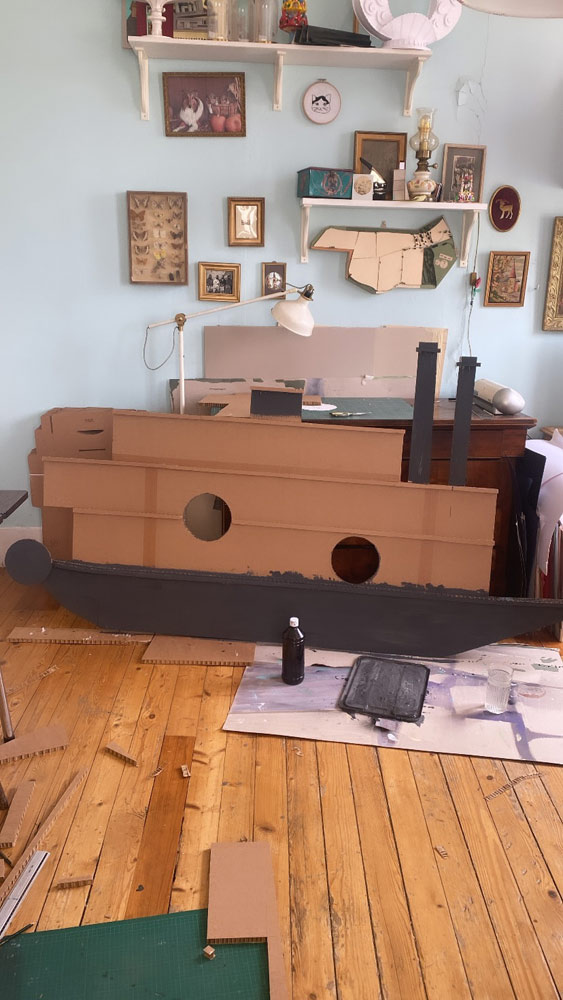
I create sketches, scale models, and an inventory of available materials, with a strong emphasis on reuse and economy of means.


4. Scenic score
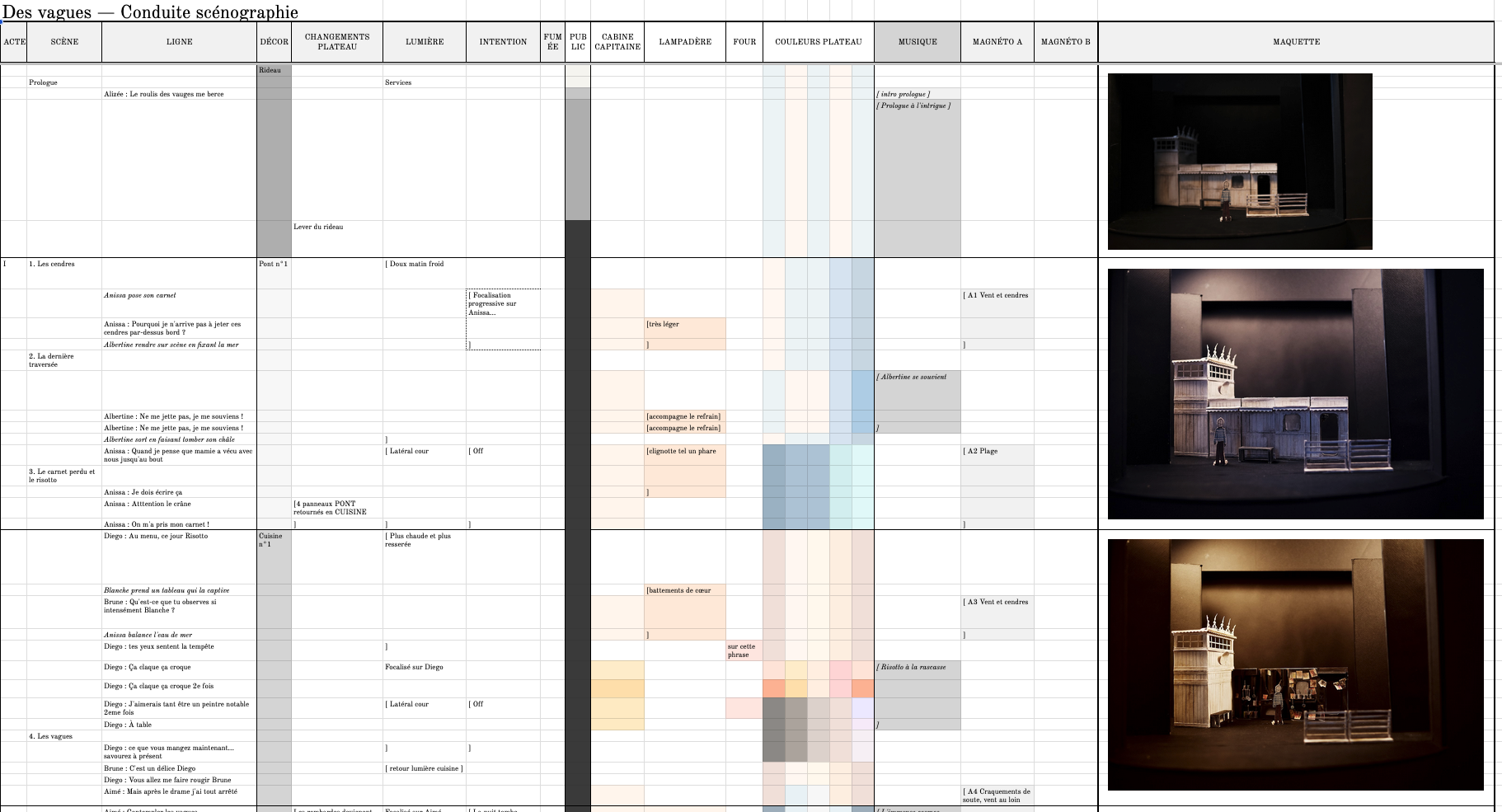
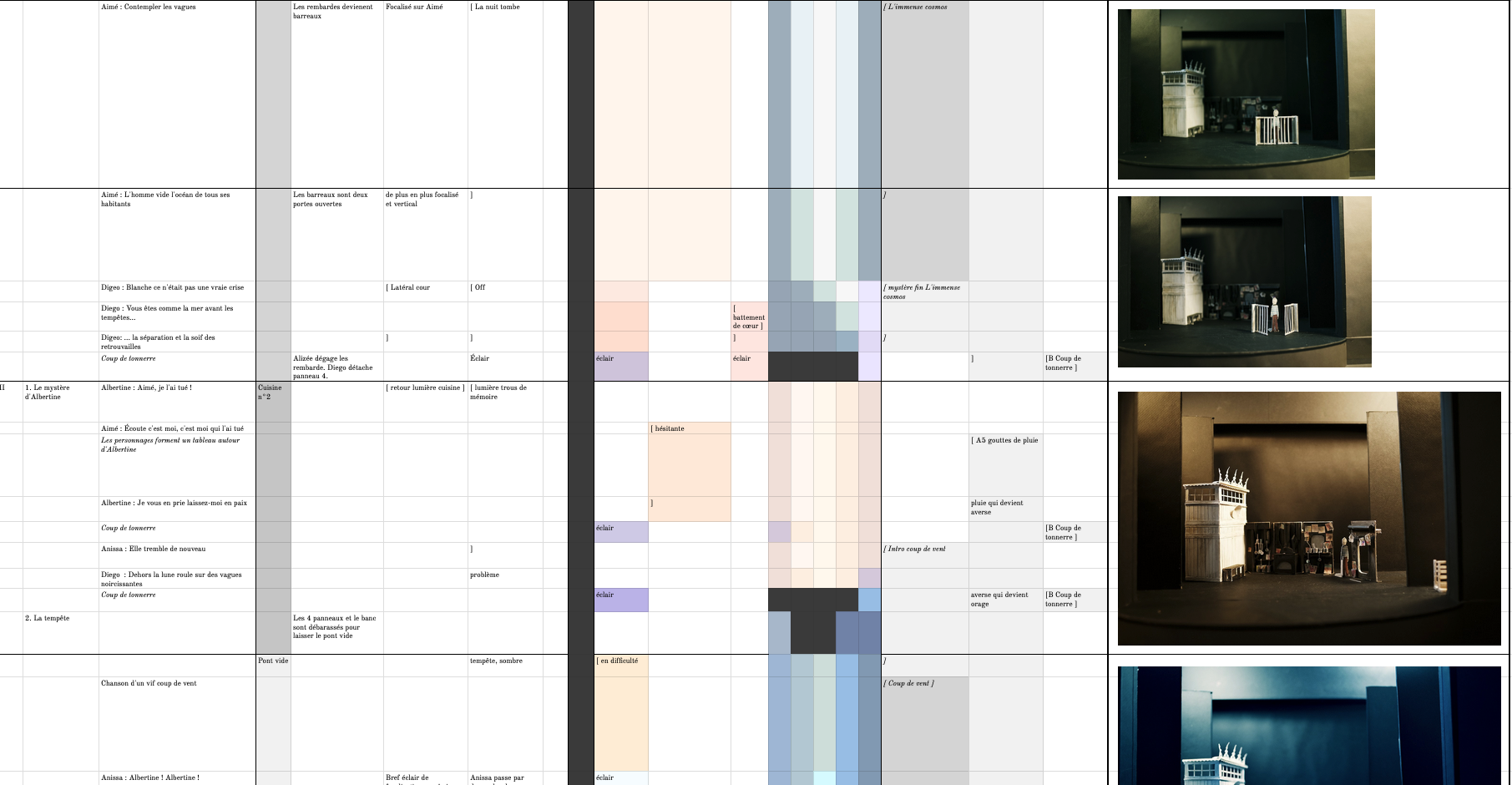
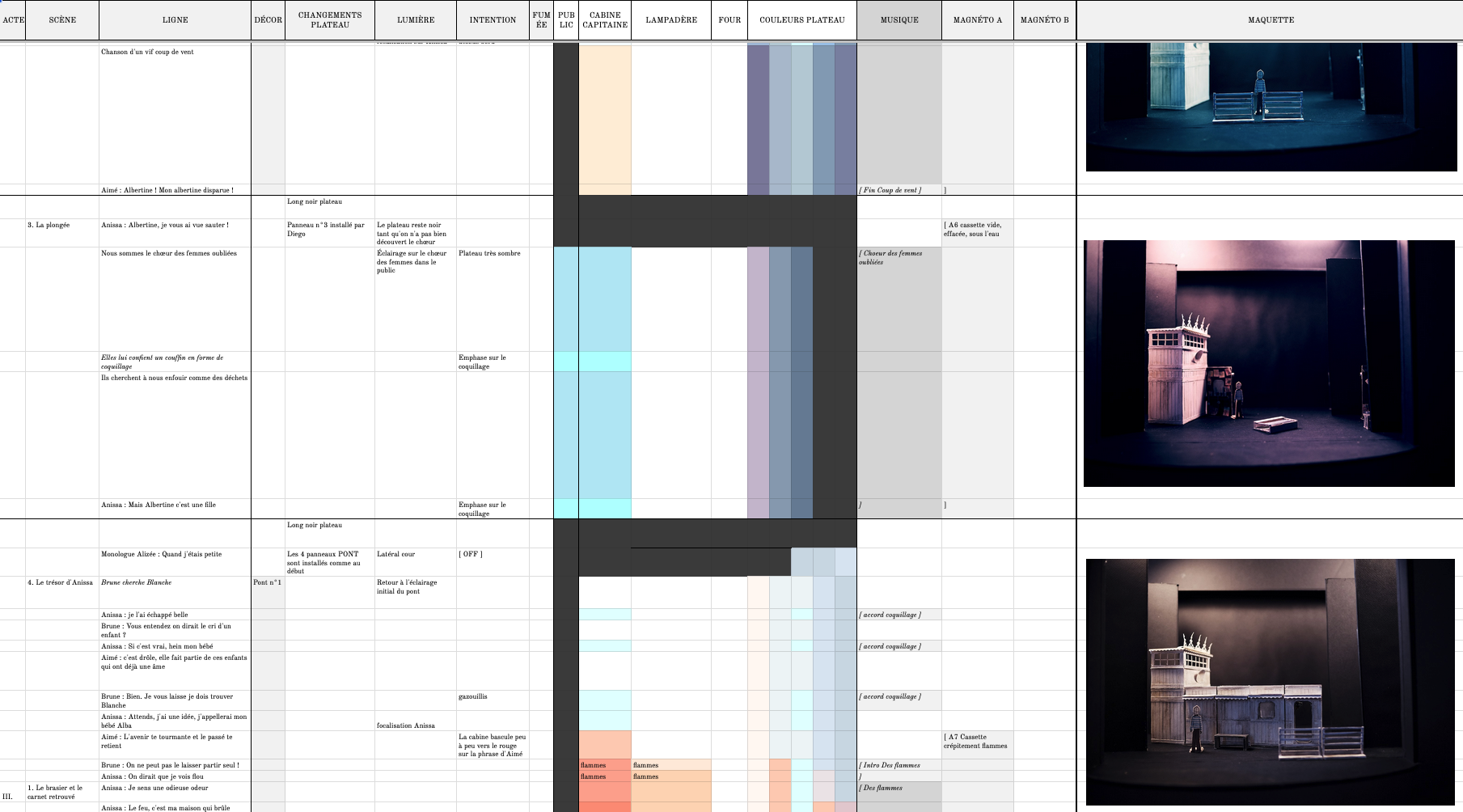
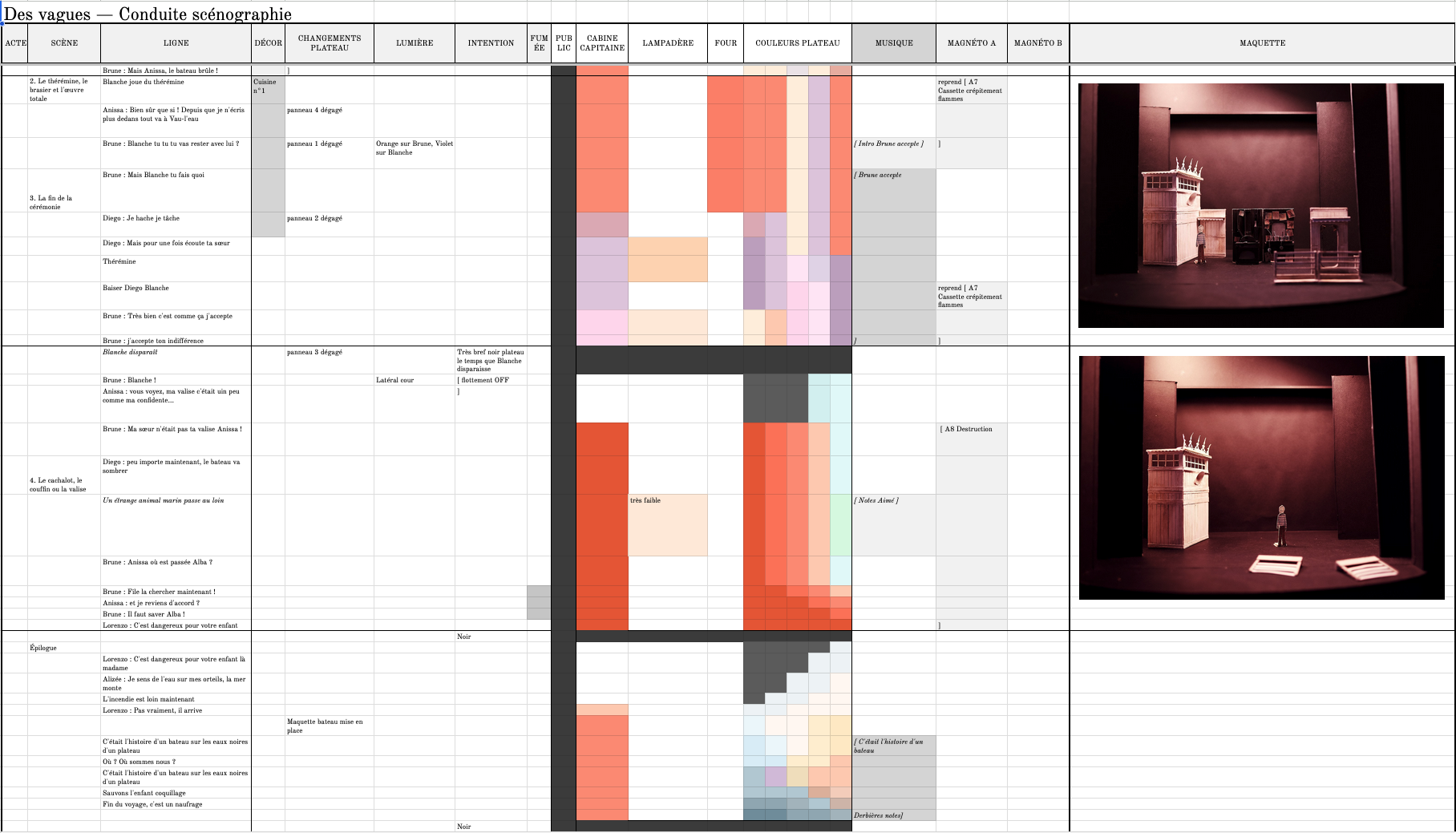
I establish a detailed scenic score: a map of how the elements move throughout the story, closely linked to the rhythm of the narrative.
The set becomes fluid, alive, sometimes unstable—just like memory itself.


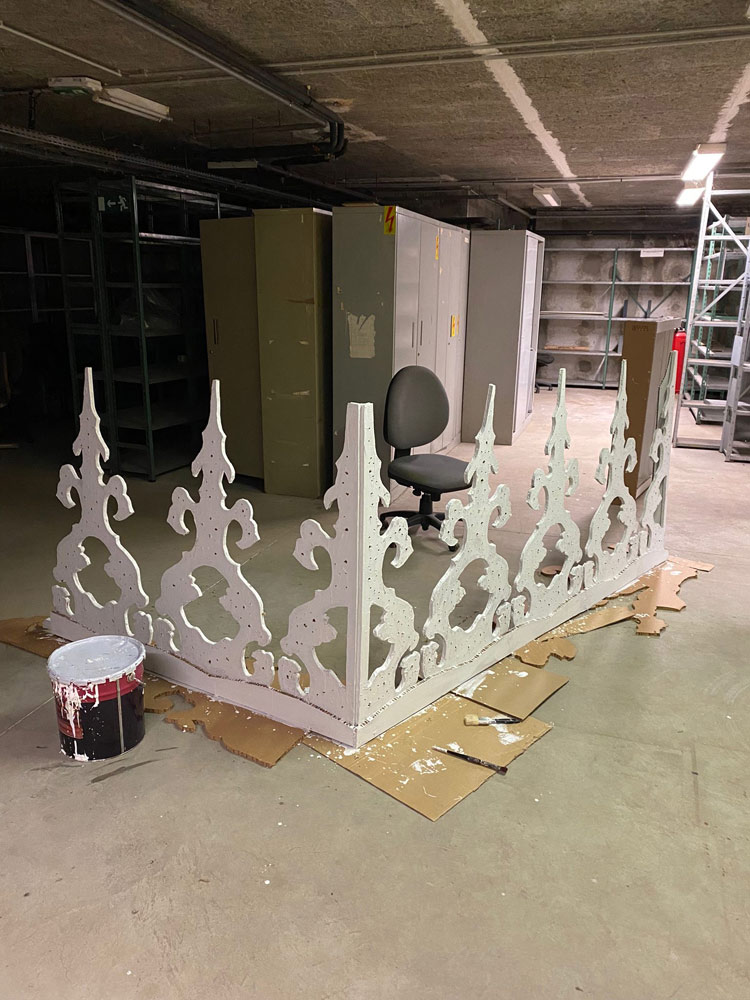
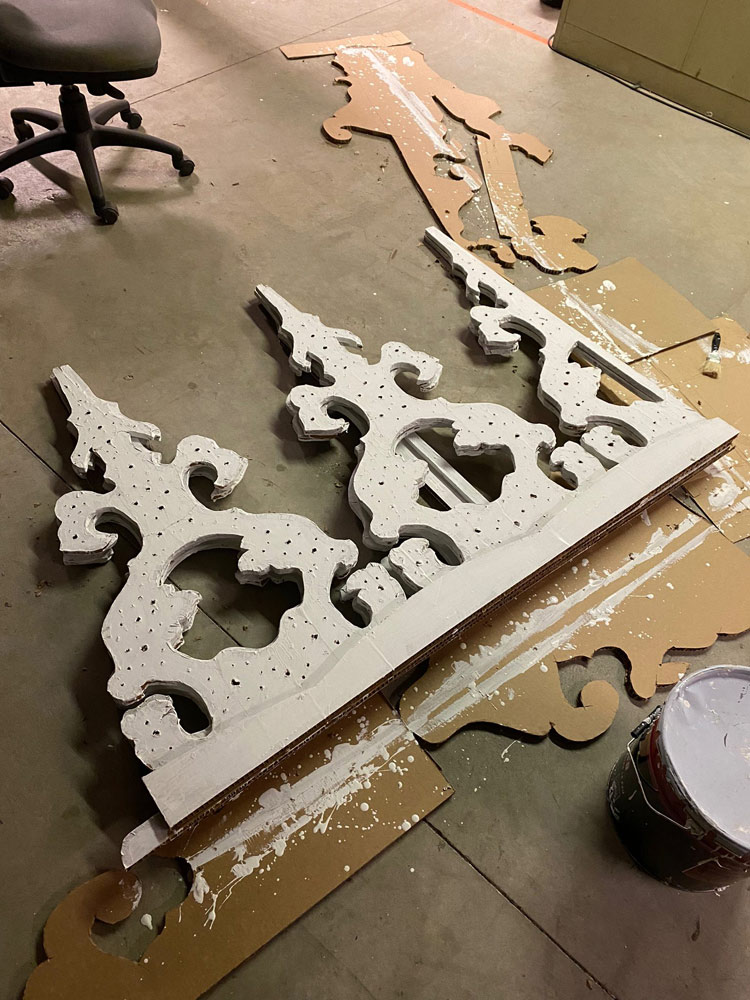
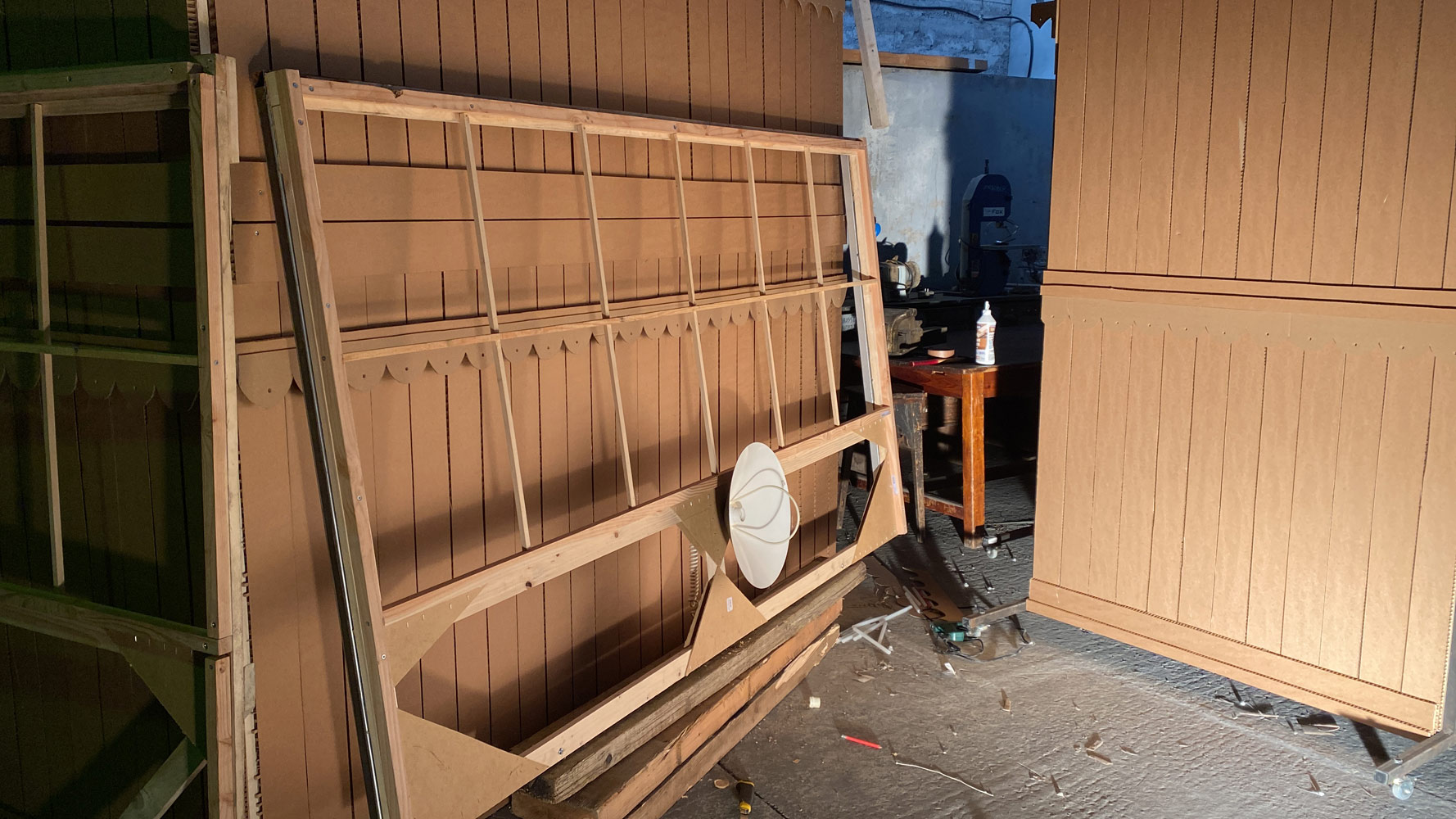
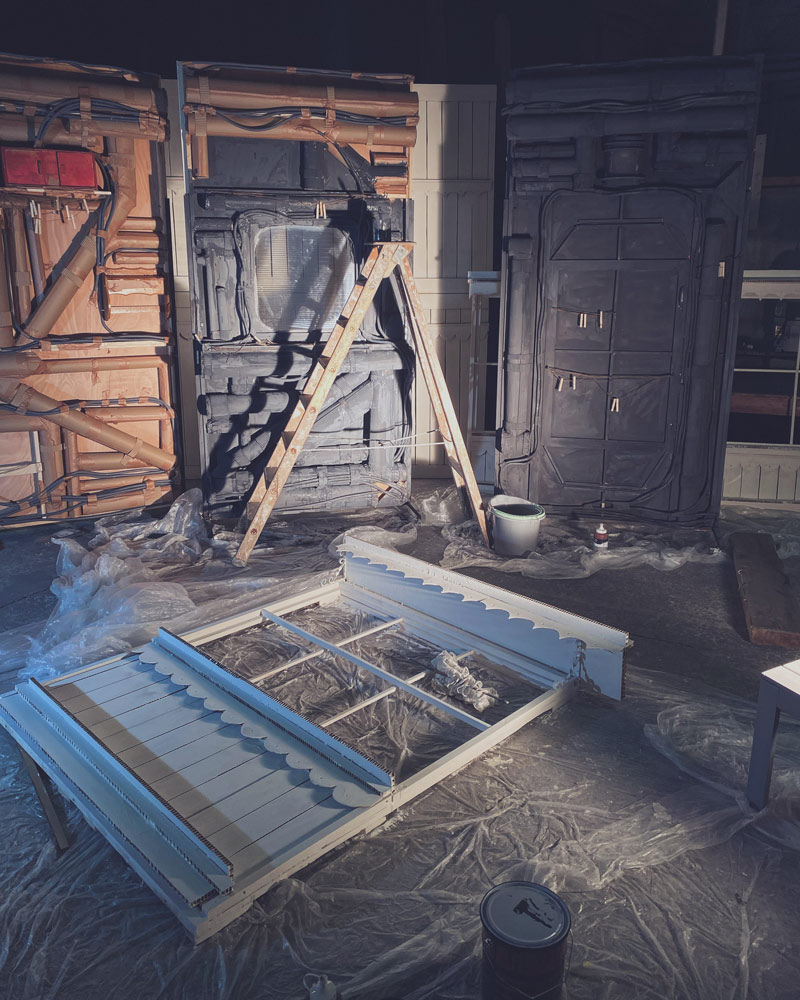
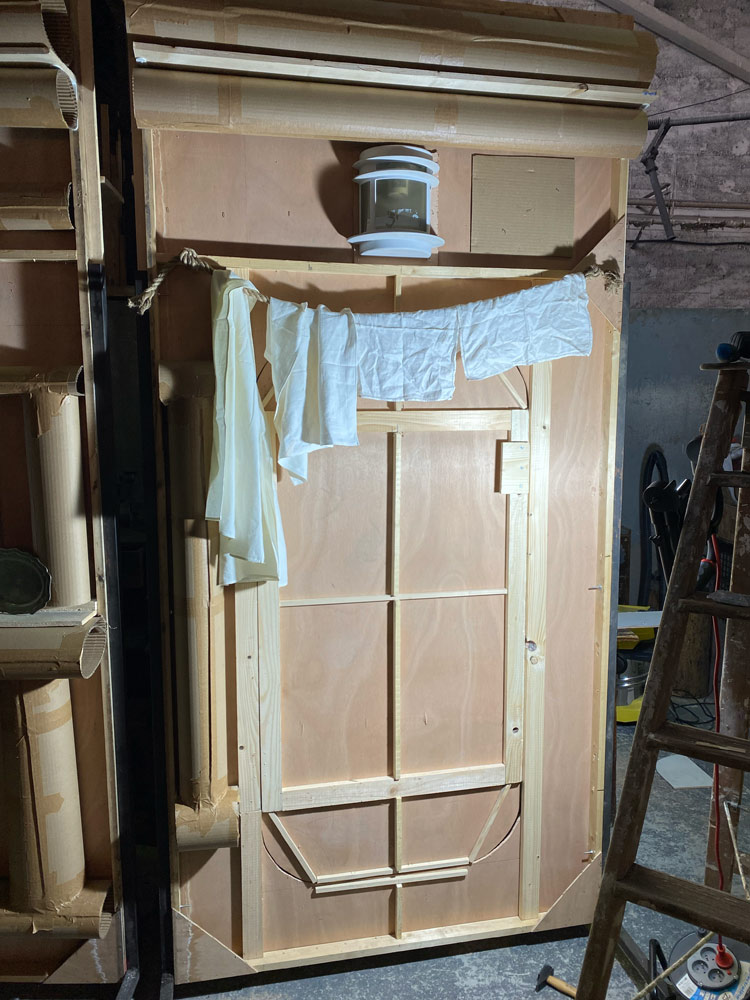
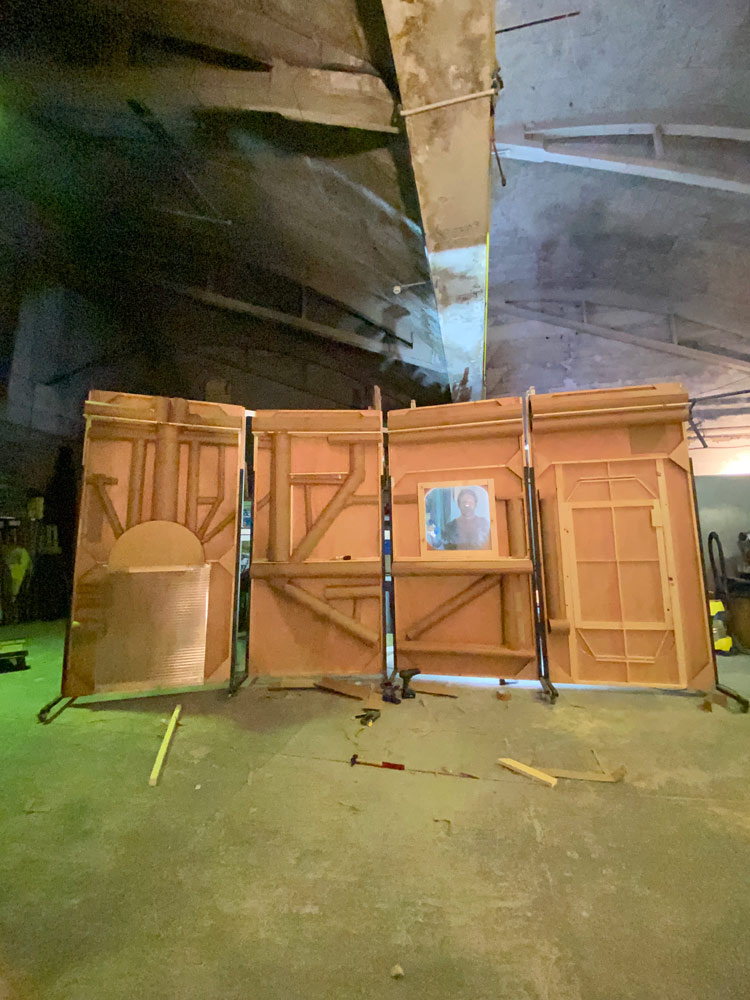
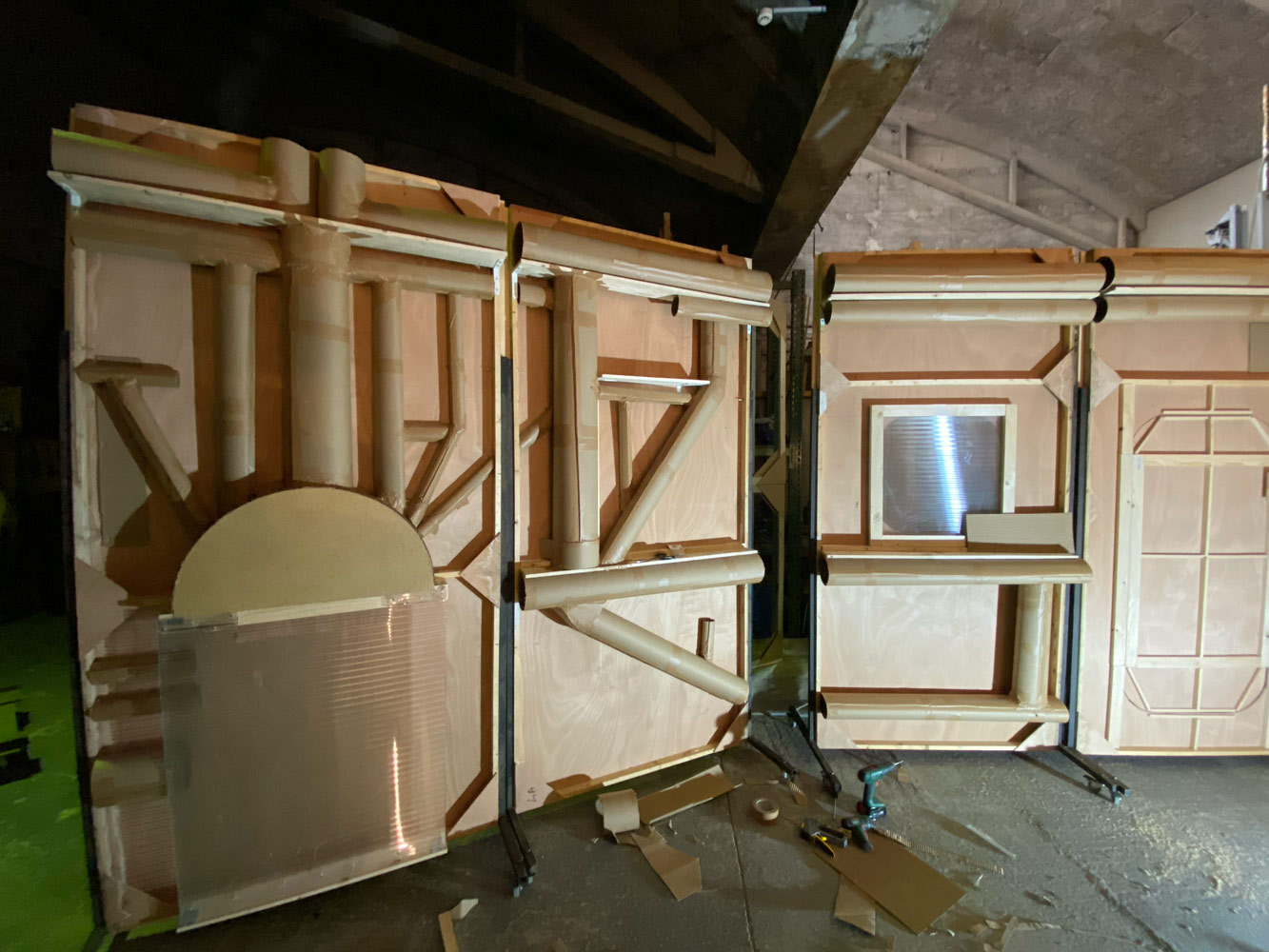
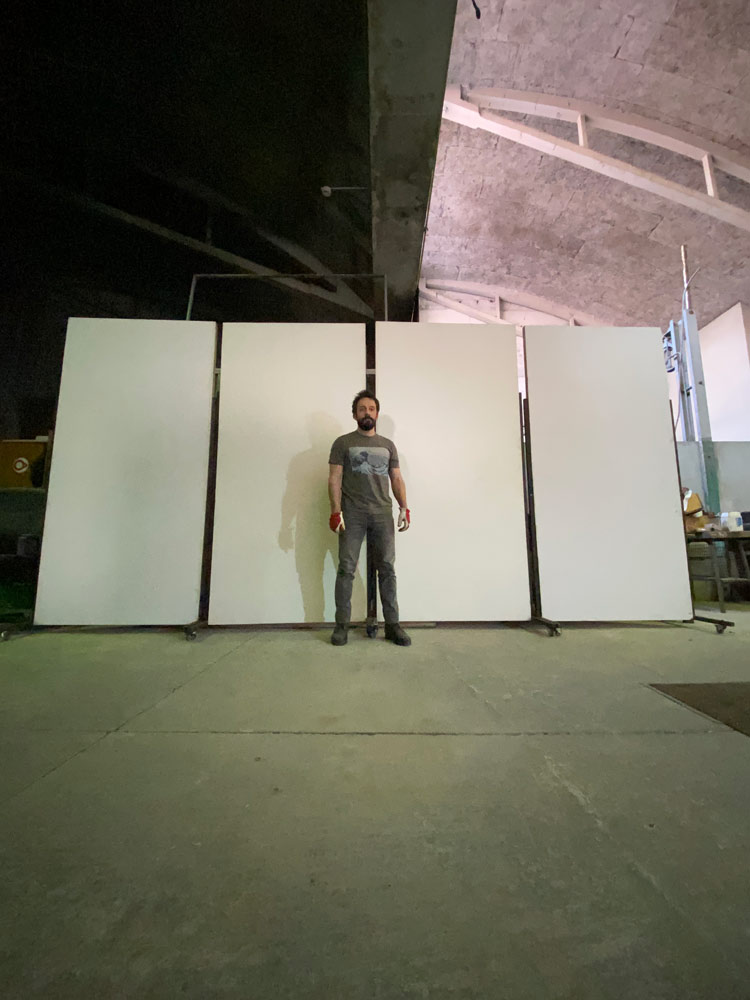
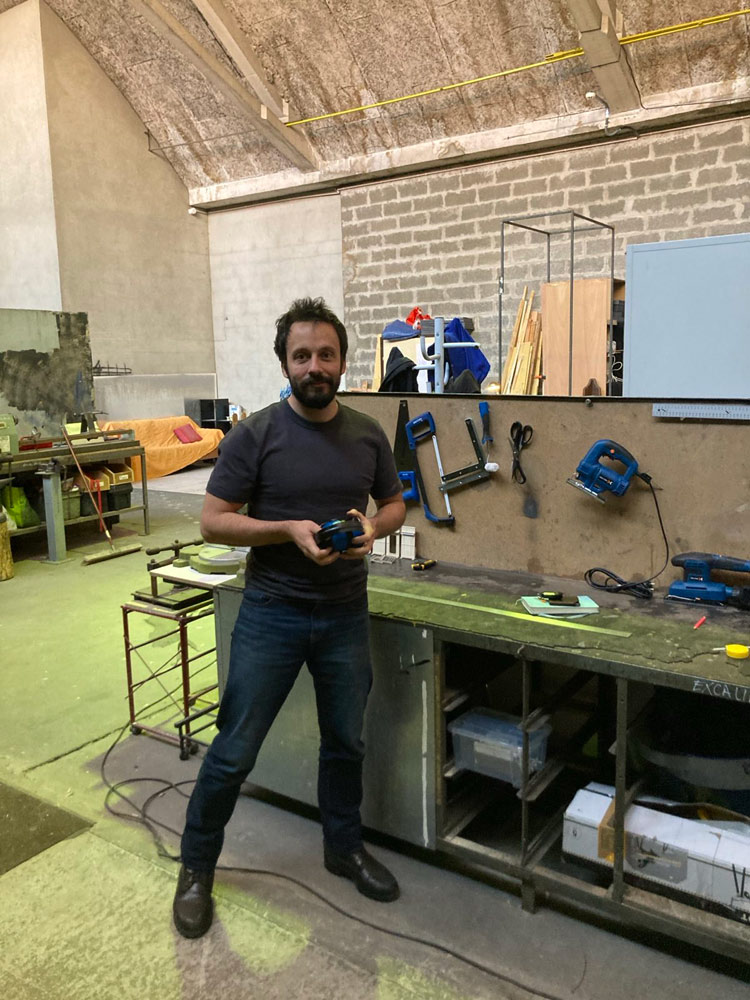
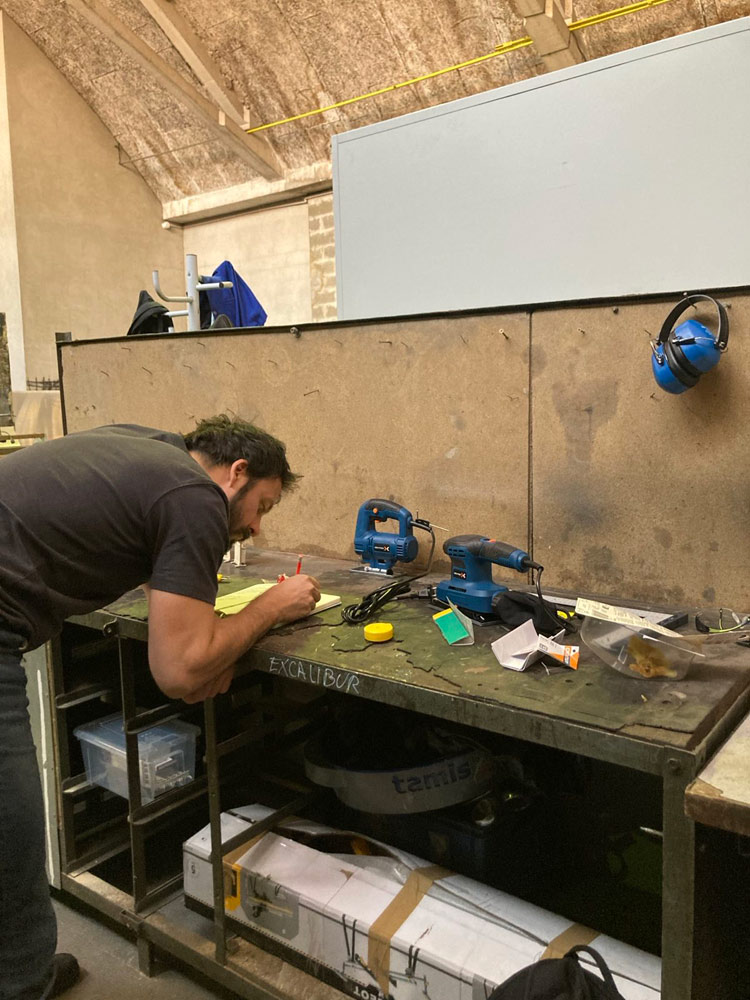
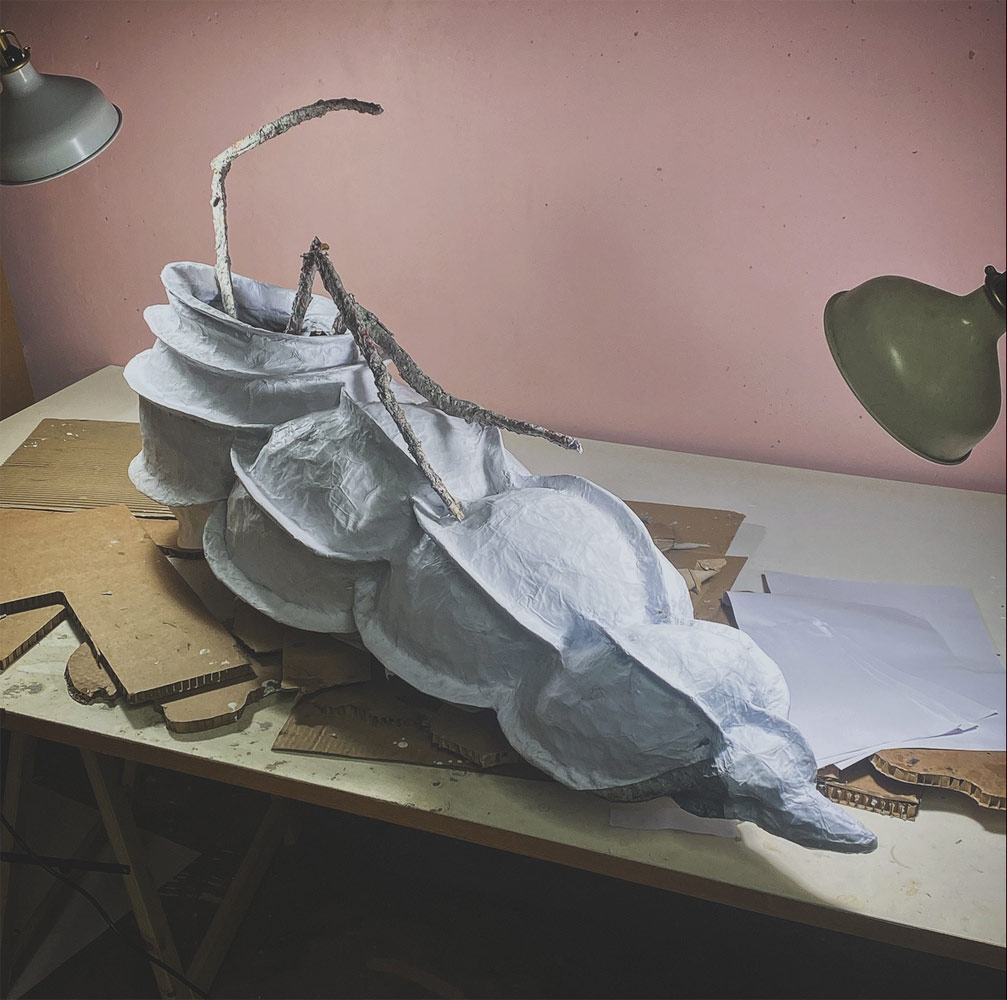
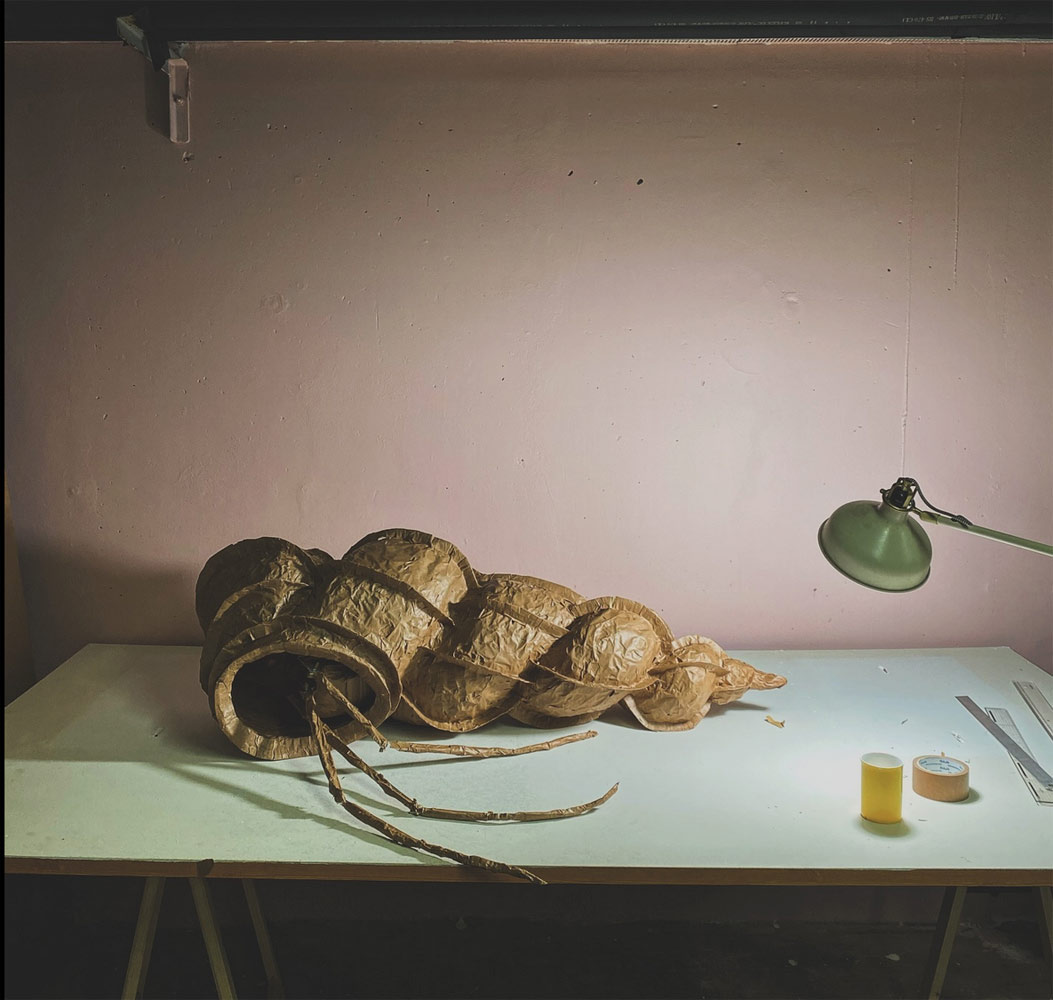
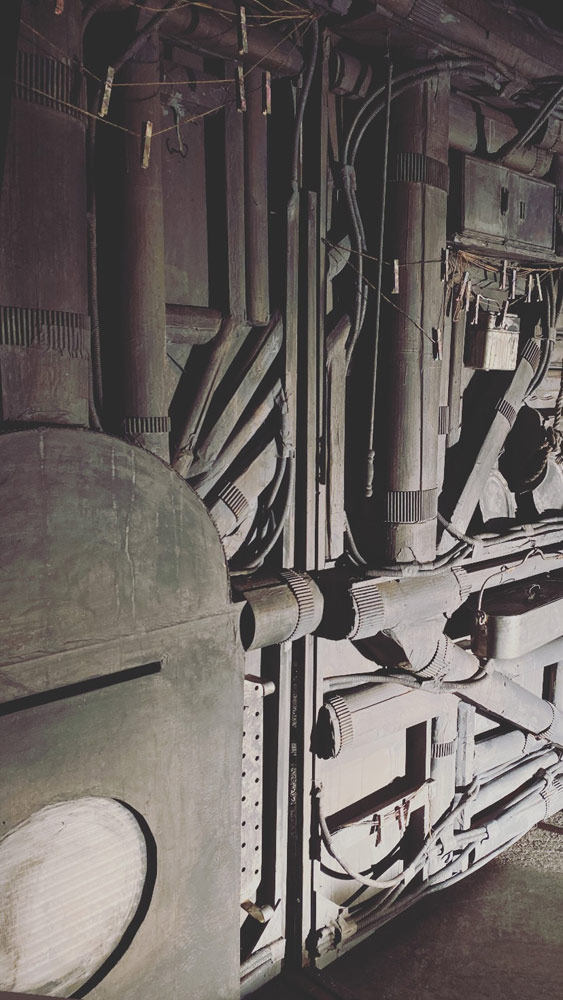
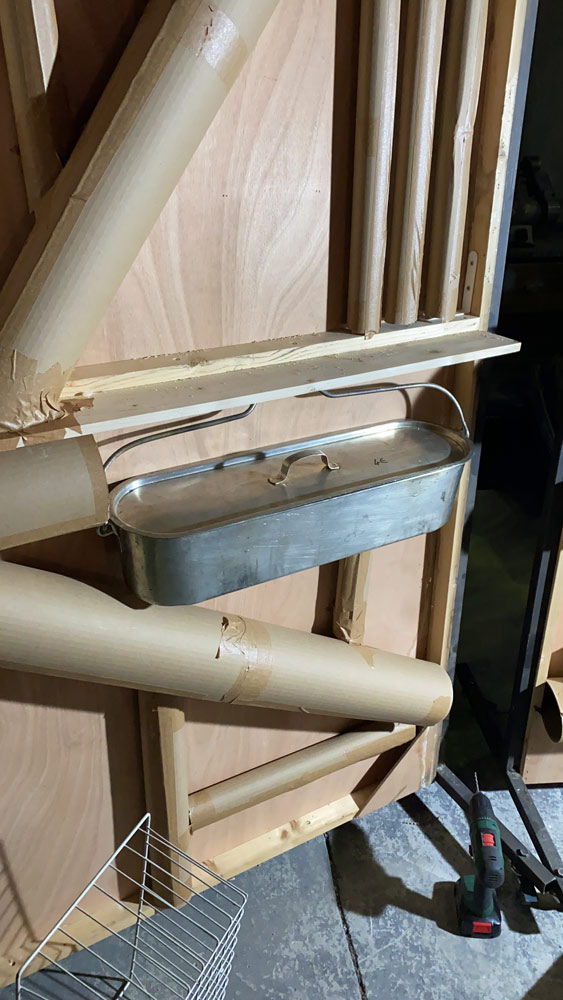
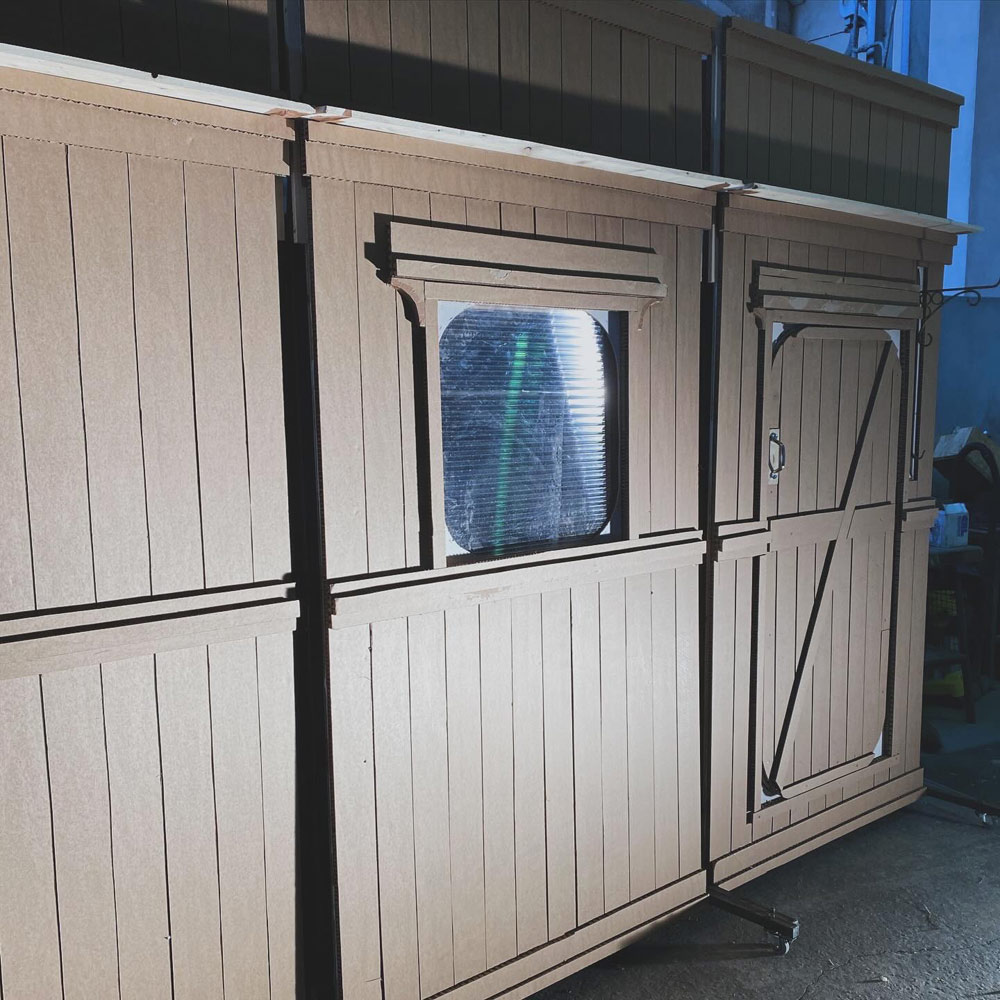
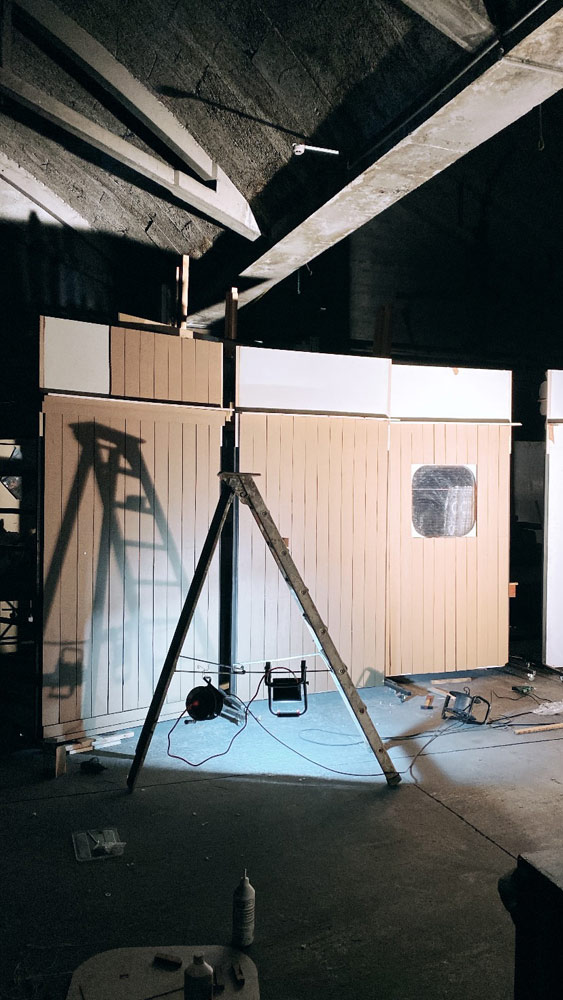
5. Set construction
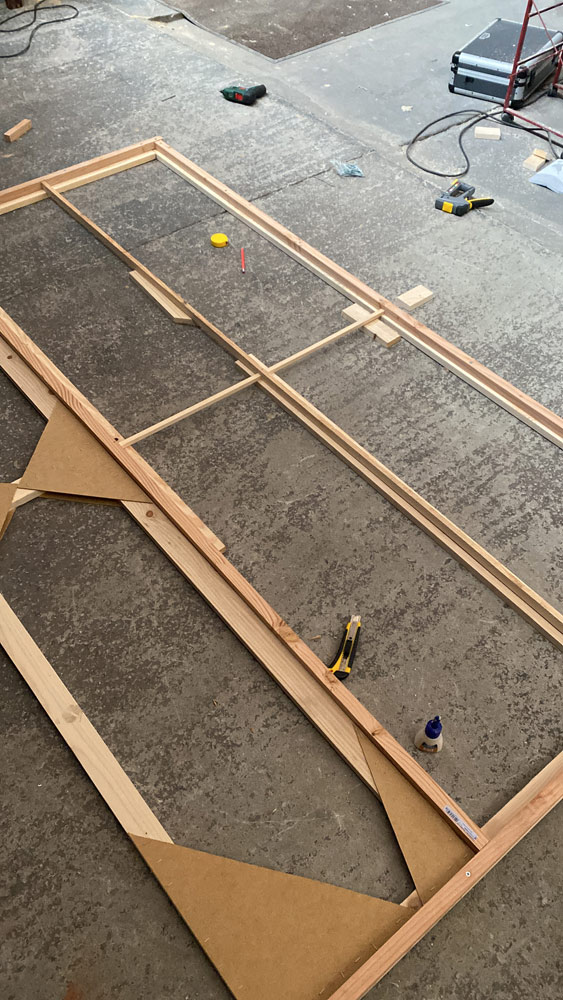
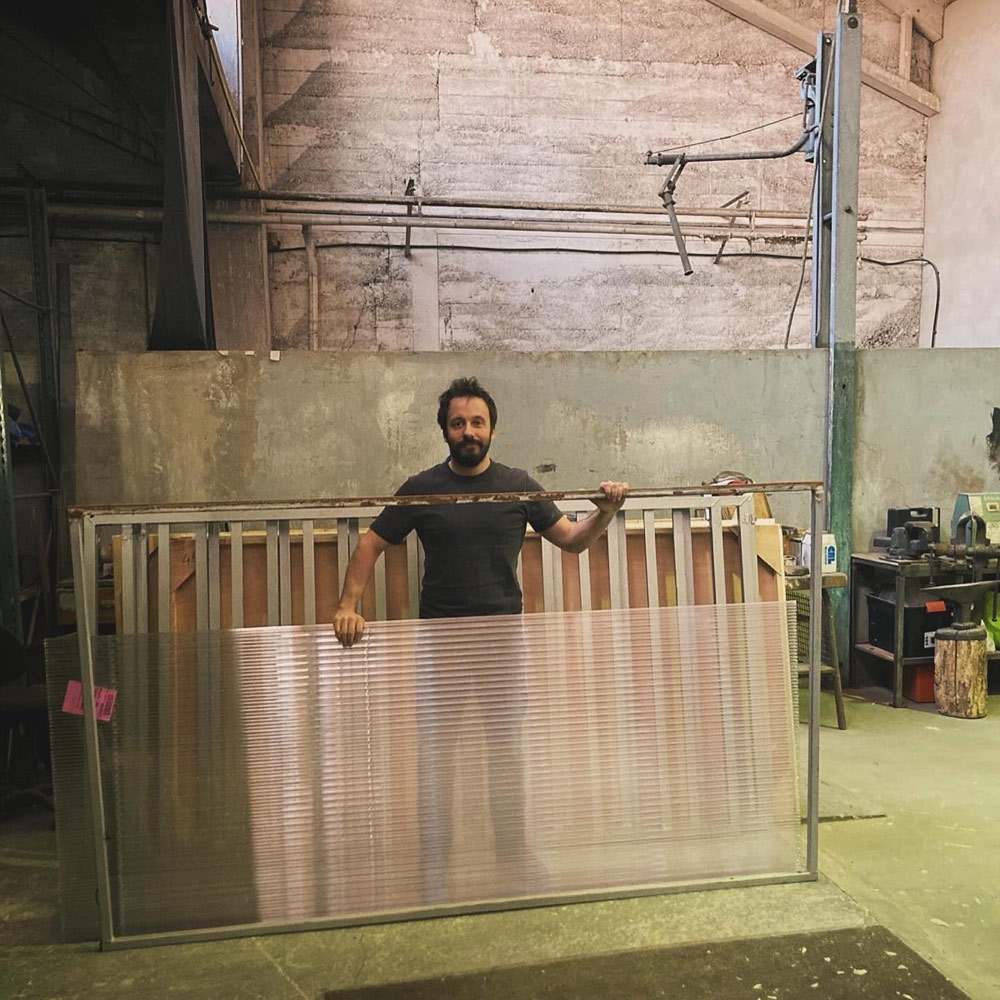
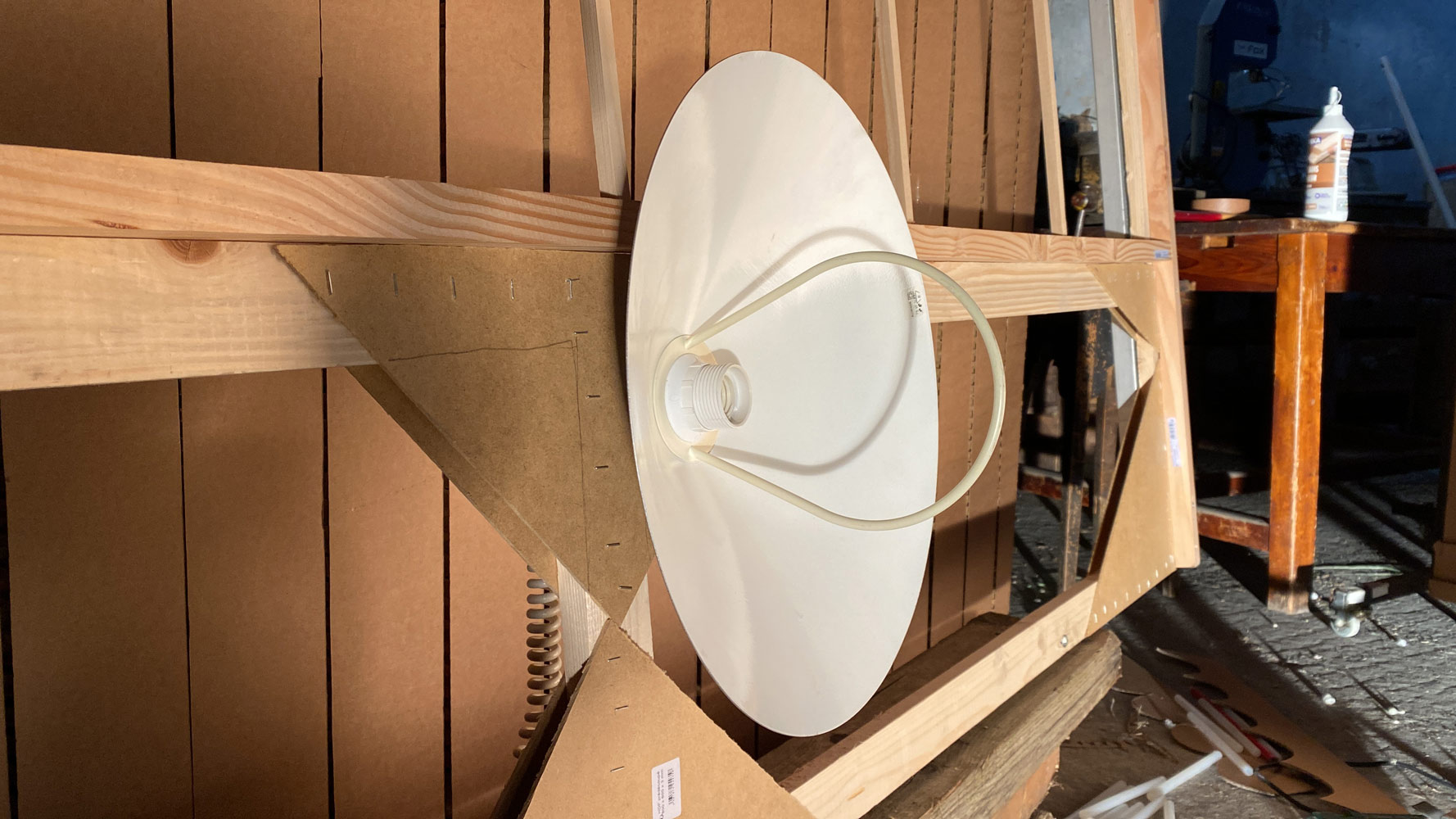
Finally comes the concrete realisation: cutting, assembling, painting, building.
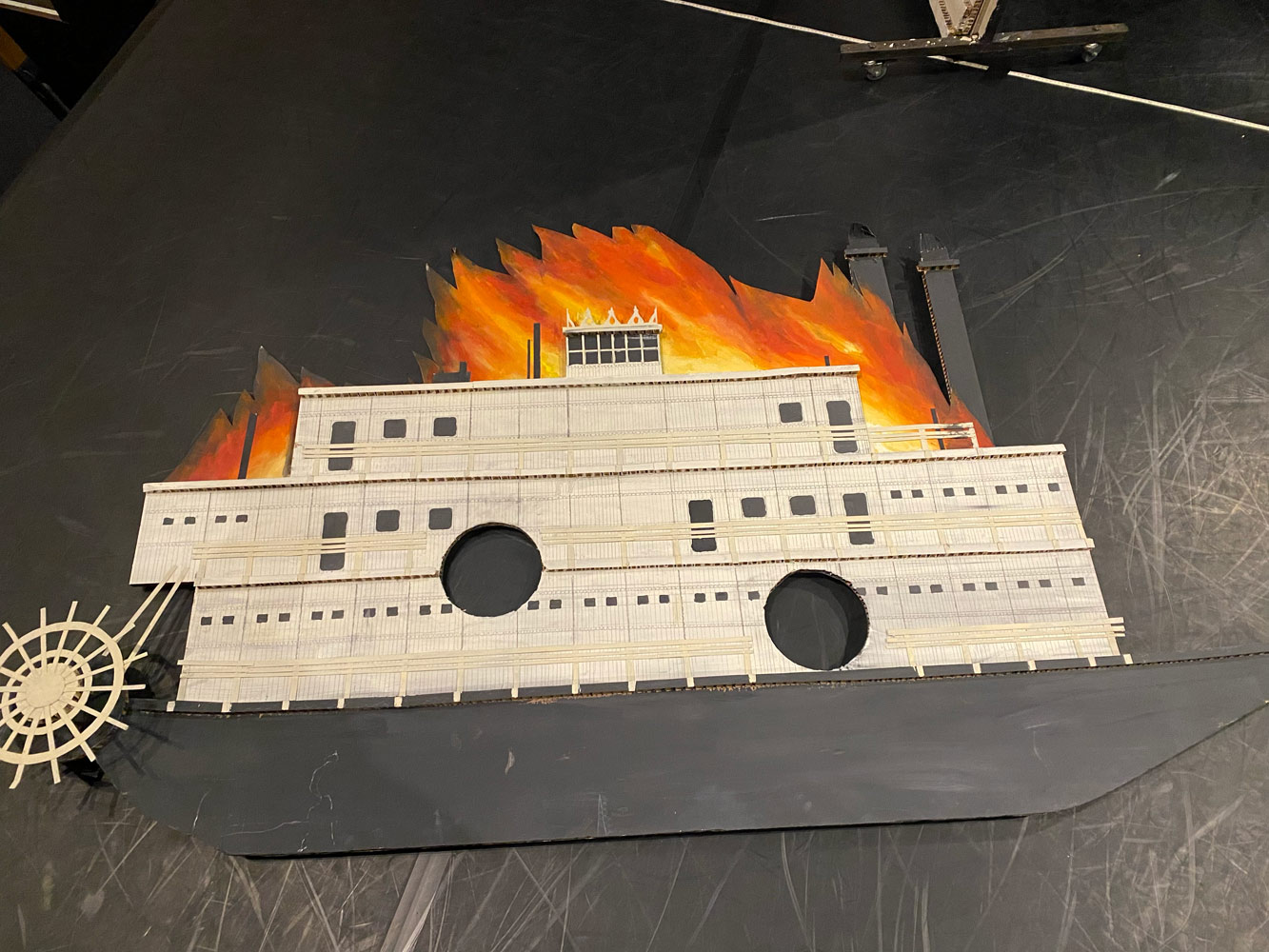
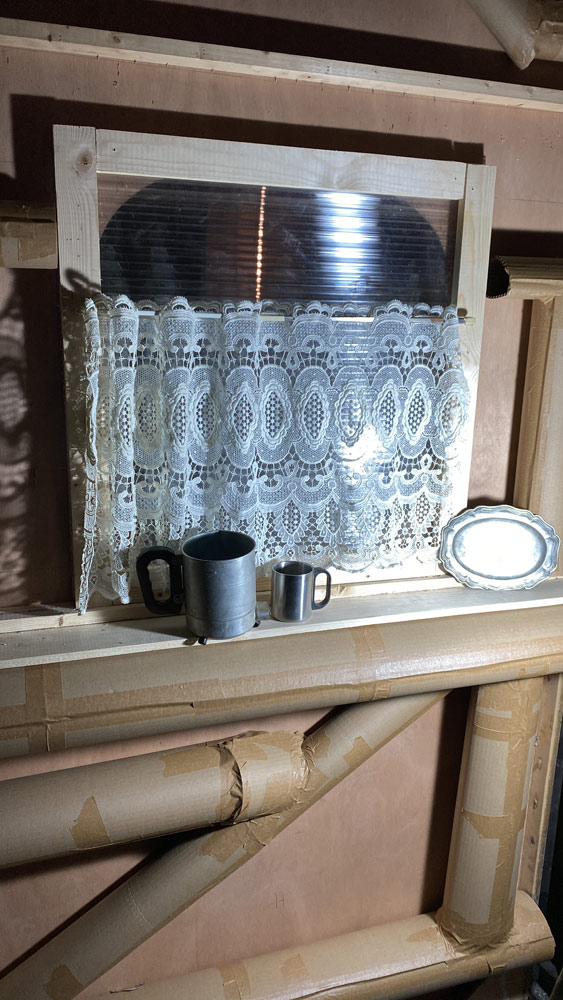
Every piece of the set is handcrafted, primarily using wood, cardboard, paper, and reclaimed materials.


In Des vagues, the scenography is conceived as an inner sea: shifting, unstable, fragile.
It mirrors the emotional journey of both the characters and the audience, between shipwreck and rebirth.
Aboard Des vagues, memory falters, ashes scatter, storms rage.
And yet, amidst the wreckage, fragments of dreams still glimmer.